
Few realize that a well-loaded trimmer can be the secret to a pristine garden in half the time. Professionals often overlook the simple yet crucial steps to ensure their tool performs at peak efficiency. Let’s delve into the essentials that will keep your trimmer running smoothly.
The process of loading a trimmer has evolved from cumbersome manual reels to efficient, easy-to-use mechanisms. About 75% of professionals admit to struggling with traditional methods, leading to inefficient trims. With the right technique and tools, a perfectly loaded trimmer line drastically reduces downtime and enhances productivity.
- Identify the correct trimmer line type according to your trimmer’s manual.
- Turn off and disconnect the trimmer, then lay it on a flat surface.
- Remove the trimmer head cover to expose the spool inside.
- Measure and cut about 10-15 feet of trimmer line.
- Insert the line into the central slot of the spool and wind it tightly in the indicated direction.
- Secure both ends of the line in holding slots and reassemble the trimmer head cover securely.
Source: ytimg.com
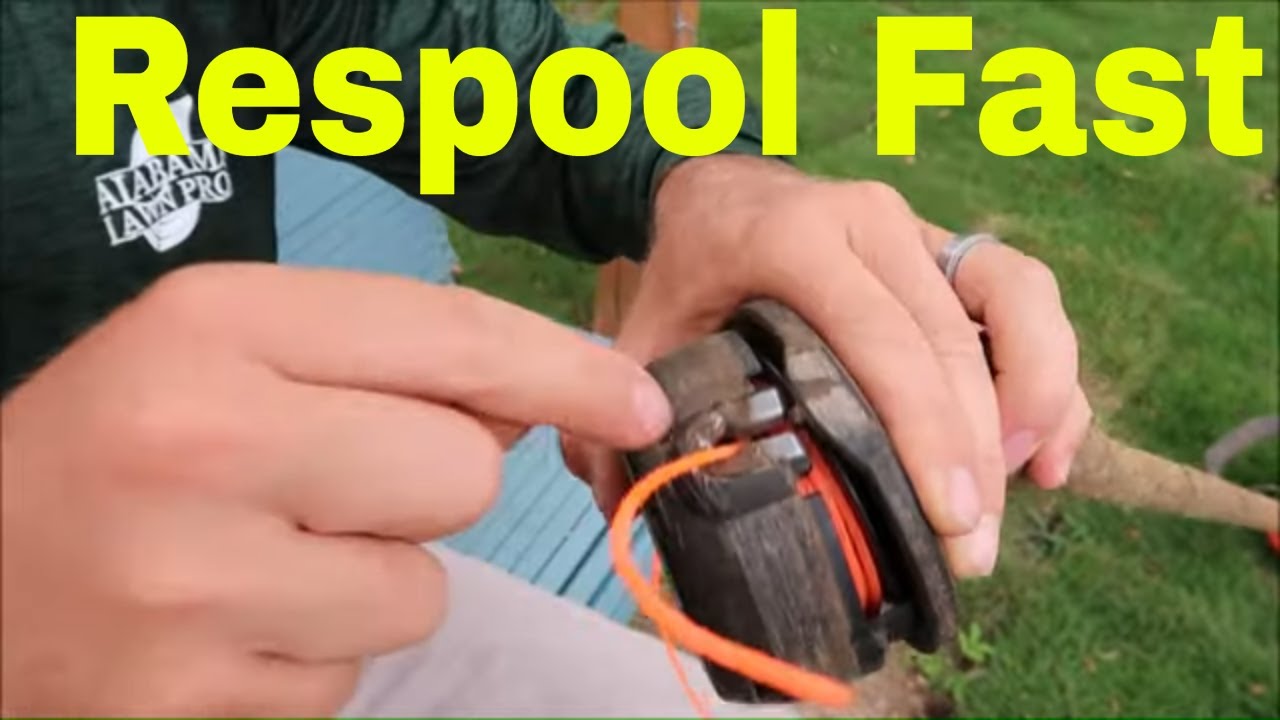
How to Load a Trimmer
First, identify the type of trimmer line you need. Check your trimmer’s manual or look for markings on the trimmer head. Using the wrong line can damage the tool and reduce its efficiency. According to this post, different trimmers may require different line sizes. Once you know the right type, you can start preparing.
Turn off your trimmer and ensure it’s cool before you begin. Remove the trimmer head cover by pressing the tabs or unscrewing it, depending on your model. This will expose the spool where the line needs to be loaded. Be careful, as some trimmers have spring-loaded parts that can pop out. Keep your working area clean to avoid losing any parts.
Measure and cut the trimmer line to the recommended length. Typically, this is about 10 to 15 feet. Fold the line in half and insert the loop into the spool’s central slot. Wind the line tightly and evenly in the direction of the arrows marked on the spool. This step ensures that the line feeds correctly when in use.
After winding the line, snap the spool back into the trimmer head. Replace the cover, making sure all parts are securely in place. Give the trimmer a quick test to confirm the line is installed correctly. If you need more detailed instructions, check this article which provides a step-by-step guide. Now, your trimmer is ready for use.
Step 1: Identify Trimmer Line Type
The first step in loading a trimmer is to identify the correct trimmer line type. Trimmer lines come in different diameters and shapes, each suitable for various tasks. For light trimming, a thinner line like 0.065 inches is usually sufficient. Meanwhile, thicker lines, like 0.095 inches, are better for heavy-duty tasks. Check your trimmer manual or the label on the trimmer head for specifications.
You should also consider the shape of the trimmer line. Round lines are standard and durable, making them suitable for general use. Square or star-shaped lines can cut through thicker grass and weeds more efficiently. According to the this expert opinion, using the right line shape can significantly impact performance and lifespan. Not all trimmers are compatible with all shapes, so double-check before purchasing.
Understanding these nuances is crucial for selecting the best trimmer line. A mismatch could lead to frequent line breaks or inefficient trimming. Always consult your trimmer’s manual or manufacturer’s website for the recommended type and size. Also, consider your specific trimming needs, whether it’s for light grass or thick weeds.
Various online resources can be helpful for beginners. Many forums and guides offer user reviews and expert advice. These sources can provide insights into which trimmer line performs best under different conditions. Comparing products based on user feedback can help you make an informed decision.
Step 2: Preparing the Trimmer for Loading
Before you start loading the trimmer line, make sure the trimmer is turned off and disconnected from any power source. This prevents accidental starts that could cause injury. Lay the trimmer on a flat surface for stability. It’s a good idea to wear gloves for added hand protection. Also, have all necessary tools and parts within reach.
Next, locate the trimmer head and identify the release mechanism. Most trimmer heads have tabs or screws that need to be pressed or unscrewed to open. Hold the trimmer head firmly and remove the cap or cover to expose the spool inside. Keep an eye out for springs or small parts that might be hidden. Carefully set aside these components, as you’ll need them to reassemble the trimmer.
If there is any old line remaining, remove it completely. Sometimes, leftover line can get stuck and cause issues when you load the new line. Clean out any debris or grass clippings inside the trimmer head. This ensures smooth operation and prevents clogs. Use a brush or compressed air to get rid of any stubborn dirt.
Take this time to inspect the spool and trimmer head for any signs of wear or damage. Cracked or broken parts should be replaced immediately. Using damaged components can result in poor performance or even damage your trimmer. Keeping your trimmer parts in good condition will ensure that your tool functions efficiently. Prepping the trimmer correctly sets the stage for an effortless loading process.
Step 3: Measuring and Cutting the Trimmer Line
Now that your trimmer is prepped, it’s time to measure and cut the trimmer line. The length you’ll need depends on your trimmer model. Check the manual or the trimmer head for specific recommendations. Typically, most trimmers require about 10 to 15 feet of line. Using a measuring tape can help ensure accuracy.
Once you’ve measured the correct length, use a sharp pair of scissors or a utility knife to cut the line. Cutting the line at an angle can help it feed more smoothly. Be cautious and steady to avoid any mishaps. If you have trouble cutting, you can use specialized trimmer line cutters available at most hardware stores. They make the job quicker and safer.
After cutting the line, it’s essential to ensure both ends are even. Uneven ends can cause the trimmer to wobble and work inefficiently. For dual-line trimmers, remember you’ll need two pieces of equal length. Double-check to make sure both pieces match. This small step can save you from a lot of frustration later.
Now, prepare the spool for loading. Look for the small holes or slots on the spool where the line will go. Insert the end of the line into these holes to secure them. By doing this, you make sure the line doesn’t slip while you’re winding it. Each trimmer model may have a different way to do this, so refer to the manual if you’re unsure.
If your trimmer requires a specific winding direction, make sure to follow it. Incorrect winding can cause the line to jam or break. Check for arrows or markers on the spool indicating the correct direction. Keep the line tight and even as you wind it onto the spool. This will ensure smooth operation when you’re trimming your lawn.
Step 4: Winding the Trimmer Line
Winding the trimmer line correctly is critical for efficient trimming. Start by ensuring the trimmer spool is clean and free from any debris. Take one end of the line and insert it into the anchor hole on the spool. These holes are designed to hold the line in place as you begin winding. This helps prevent slippage and makes the winding process smoother.
Begin to wind the line onto the spool, following the direction of the arrows or other markers. The direction is crucial for proper functionality. Wind the line evenly and tightly to avoid tangles. If the line is too loose, it can cause feeding issues during use. Keep an eye on the winding process to make sure it covers the spool uniformly.
For dual-line trimmers, you may need to wind in two separate sections. Repeat the process for each line, using the same method. Balance is key in a dual-line trimmer for effective operation. Once both lines are wound, leave a few inches of each line exposed. This extra length makes it easier to feed into the trimmer head.
When you have the correct amount of line wound onto the spool, secure the end in the holding slots around the edge. These slots prevent the line from unraveling before it’s reassembled into the trimmer head. After securing, double-check that the line follows the correct path. This check helps avoid any issues when you start trimming.
Finally, place the spool back into the trimmer head. Align it properly to ensure everything fits snugly. Replace the trimmer head cover, making sure it locks securely into place. If you encounter any difficulties, refer to your trimmer’s manual for additional guidance. Proper winding will ensure that your trimmer performs efficiently.
Step 5: Reassembling the Trimmer Head
Now that the line is wound, it’s time to reassemble the trimmer head. Start by placing the spool back into the trimmer head, ensuring it fits snugly. The ends of the trimmer line should protrude through the holes in the trimmer head. This allows the line to feed through correctly when you start trimming. Double-check that the spool is correctly aligned.
Next, replace any springs or small components that were removed earlier. These parts are crucial for the trimmer’s functionality. Ensure that each piece is in its proper place to avoid any operational issues. Carefully position the trimmer head cover back onto the spool housing. Ensure the tabs or screws align with their respective slots.
Press down on the trimmer head cover until it clicks into place. If your model uses screws, tighten them securely. The cover should be firmly attached, with no loose parts. Give the trimmer a light shake to confirm everything is secure. If you feel or hear anything loose, recheck to ensure everything is correctly assembled.
Finally, test the trimmer to make sure the line feeds properly. Turn on the trimmer and give it a few revs to see if the line extends as it should. If the line doesn’t feed correctly, you might need to revisit the preceding steps. Proper reassembly ensures that your trimmer operates efficiently without unexpected interruptions. Regularly maintaining this process will keep your tool in top shape.
The Right Way to Maintain Your Trimmer
Maintaining your trimmer properly ensures it lasts longer and performs efficiently. Start by cleaning the trimmer after each use. Remove any grass clippings, dirt, and debris from the trimmer head and shaft. Use a brush or compressed air for thorough cleaning. Keeping the tool clean prevents blockages and wear on moving parts.
Check the trimmer line regularly for signs of wear and tear. Replace it when it begins to fray or break easily. This keeps your trimming consistent and avoids interruptions during work. Also, inspect the spool for any cracks or damage that could affect performance. Regular maintenance helps identify small issues before they become major problems.
Lubricate moving parts like the shaft and gear mechanisms as recommended by the manufacturer. Proper lubrication reduces friction and extends the life of these components. Keep an eye on screws, bolts, and other fasteners to ensure they’re tight. Over time, vibrations can loosen them, leading to malfunction or safety hazards.
For gas-powered trimmers, keeping the engine in good shape is crucial. Change the oil periodically per manufacturer guidelines to maintain engine health. Clean or replace the air filter to keep dirt out of the engine system. Additionally, inspect spark plugs for wear and replace them if necessary to ensure a smooth start every time.
Store your trimmer in a dry place away from harsh weather conditions when not in use. A protective cover can shield it from dust and moisture. If you plan not to use it for an extended period, drain any fuel from gas-powered models to prevent clogging of internal components.
Common Mistakes When Loading a Trimmer
Loading a trimmer seems straightforward, but common mistakes can reduce its efficiency. One frequent error is using the wrong type of trimmer line. Selecting a line that is too thick or too thin can lead to poor performance or damage the trimmer. Always check the manual for the recommended line type. This simple step avoids many problems down the line.
Another mistake is not inserting the line into the spool correctly. Winding the line in the wrong direction can cause it to jam or break during use. Follow the arrows or guidelines on the spool to ensure correct winding. Keeping the line tight and even is also crucial. Loosely wound lines can tangle and cause interruptions.
Many users overlook the importance of cleaning the trimmer head before loading new line. Debris and old line remnants can interfere with the new line’s performance. Make sure to clean out any dirt, grass clippings, and leftover trimmer line. A clean spool ensures smooth line feeding and reduces the risk of jams. Regular maintenance is key for efficient operation.
Overloading the spool with too much line is another common error. It might seem like a good idea to add extra line to avoid frequent reloading. However, this can cause the line to feed poorly or not at all. Stick to the recommended length to avoid these issues. Too much line can also make the trimmer work harder, reducing its lifespan.
Lastly, not securing the line ends properly can result in tangled or prematurely used line. Make sure to anchor the line ends firmly in the designated slots or holes on the spool. This ensures that the line stays in place during reassembly and use. Properly anchoring the line avoids unnecessary frustration and keeps your trimmer working smoothly.
Safety Tips When Loading and Using a Trimmer
Safety is paramount when loading and using a trimmer. Start by wearing protective gear such as gloves and safety goggles. These items protect your hands and eyes from debris and sharp edges. Ensuring you have the right gear reduces the risk of injury. Your safety should always come first.
Before you begin, make sure the trimmer is turned off and disconnected from any power source. This includes unplugging electric models and switching off gas engines. Handling a live trimmer can lead to accidental starts, causing serious harm. Always double-check that the tool is completely powered down. This simple step can prevent accidents.
When loading the trimmer line, handle the spool and other components carefully. Avoid touching sharp edges or moving parts directly. Use tools like tweezers or pliers if necessary. Keeping your hands away from potential hazards minimizes the risk of cuts or scrapes. Using the right tools for the job also makes the process smoother.
While operating the trimmer, be aware of your surroundings. Clear the area of any obstacles like rocks, sticks, or toys that could become projectiles. Maintain a safe distance from people and pets. Awareness prevents accidents and ensures a more efficient trimming job. A clutter-free workspace contributes to better safety.
Lastly, follow the manufacturer’s instructions for maintaining and storing your trimmer. Regularly inspect the tool for signs of wear or damage and address any issues promptly. Proper care extends the lifespan of your trimmer and ensures safe operation. This responsible approach keeps both you and your equipment in good shape.
Frequently Asked Questions
Loading and maintaining a trimmer can be challenging if you’re not familiar with the process. Here we answer some of the most common questions asked by experts about trimmers.
1. What is the best type of line for heavy-duty trimming?
For heavy-duty trimming, a thicker trimmer line, around 0.095 inches, is ideal. This type of line can handle tough grass and weeds without breaking easily. Using a square or multi-sided shape also helps you cut more efficiently. Always check your trimmer’s compatibility with these options before purchasing.
If your model supports it, opting for a high-quality brand can significantly improve performance and longevity. Consult user reviews and expert opinions to find the most durable line available. A good choice will save you time and ensure a clean trim every time.
2. How often should I replace my trimmer line?
The frequency of replacing your trimmer line depends on usage and conditions. For frequent or heavy use, you may need to replace the line every few weeks or months. Thicker lines generally last longer but still require regular checks for fraying or wear.
If you’re only using the trimmer occasionally, inspect it before each use to determine if replacement is needed. Keeping an eye on the condition ensures optimal performance and prevents unexpected breaks during operation.
3. Why does my trimmer line keep breaking?
Several factors can cause constant breakage of your trimmer line, including using the wrong type or size for your task. If the line is too thin for thick grass or weeds, it will break frequently under pressure.
Poor quality material could also be at fault; always opt for high-quality lines that match your specific trimming needs. Ensuring proper loading technique and avoiding contact with hard surfaces like rocks can also reduce breakage.
4. Can I use any brand of replacement spool in my trimmer?
Not all replacement spools are compatible with every trimmer model; it’s essential to check compatibility first. Many manufacturers provide specific spools designed to fit their models perfectly to ensure optimal performance.
Using an incompatible spool can cause jams or damage to your equipment over time.
Always refer to your trimmer’s manual when purchasing new parts, ensuring they meet the recommended specifications.
5.How do I store my trimmer during off-season?
Avoid storing fuel in gas-powered models as it can clog internal components over long periods.So always start by draining any remaining fuel from gas-powered models . Also make sure electric ones unplugged properly then clean out debris well.
Store them typically upright position in dry place preferably away harsh sunlight exposure.Place protective cover if possible against moisture & dust accumulating.Their safe storage extends lifespan keeping them ready smooth function next use.<\P
Conclusion
Properly maintaining and loading your trimmer ensures its longevity and efficiency. Following the right steps from identifying the correct line type to safe storage during the off-season can make a significant difference. Regular checks and using high-quality parts also play an essential role.
By adhering to these best practices, you not only enhance the performance of your trimmer but also ensure your safety. Keep these tips in mind for a hassle-free trimming experience. Your well-maintained trimmer will always be ready to deliver a precise and clean cut.

I’m Patricia D. Johnson, an affiliate marketer and blogger specializing in trimmers and grooming tools. I create honest reviews, buying guides, and practical tips to help readers choose the right trimmer for their needs. With a focus on quality, performance, and value, I simplify the decision-making process so consumers can make confident purchases.