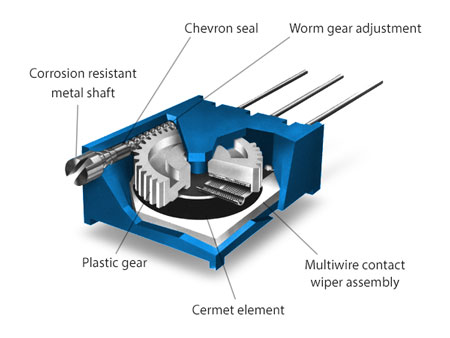
A trimmer resistor, also known as a trim pot, is a small, adjustable resistor used for fine-tuning circuit parameters. It allows precise calibration of electronic components.
Trimmer resistors are essential in various electronic applications. They enable precise adjustments to achieve optimal performance in circuits. These small components are often used in devices like radios, amplifiers, and measuring instruments. Their primary function is to fine-tune resistance values, ensuring circuits operate within desired specifications.
Trimmer resistors come in various forms, including single-turn and multi-turn, allowing for different levels of precision. Their compact size and adjustability make them invaluable for engineers and hobbyists. By incorporating trimmer resistors, one can achieve greater control over electronic systems, enhancing functionality and efficiency.
Credit: www.watelectronics.com
Introduction To Trimmer Resistors
Trimmer resistors are essential components in electronic circuits. They allow precise adjustments of resistance in a circuit. These tiny devices can fine-tune the performance of various electronic gadgets.
Definition And Purpose
Trimmer resistors are also known as variable resistors. They are adjustable resistors used to set precise resistance values. They are commonly used in calibration and tuning tasks.
The main purpose of a trimmer resistor is to provide a fine adjustment mechanism. This ensures the optimal performance of the circuit. They are often used in applications such as sensor calibration, signal conditioning, and frequency tuning.
Basic Construction
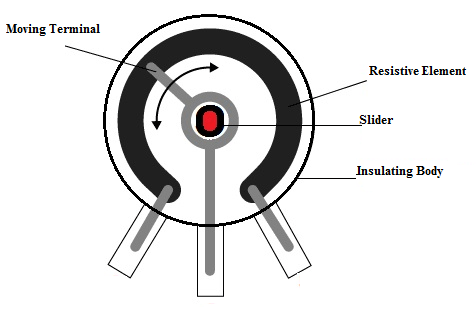
A trimmer resistor typically consists of three main parts:
- Resistive element: The core component that provides resistance.
- Wiper: A movable contact that slides over the resistive element.
- Body: The housing that encases the resistive element and wiper.
The resistive element can be made from various materials. Common materials include carbon, cermet, or wire-wound. The wiper adjusts the resistance by changing its position on the resistive element.
| Component | Material |
|---|---|
| Resistive Element | Carbon, Cermet, Wire-wound |
| Wiper | Metal |
| Body | Plastic, Ceramic |
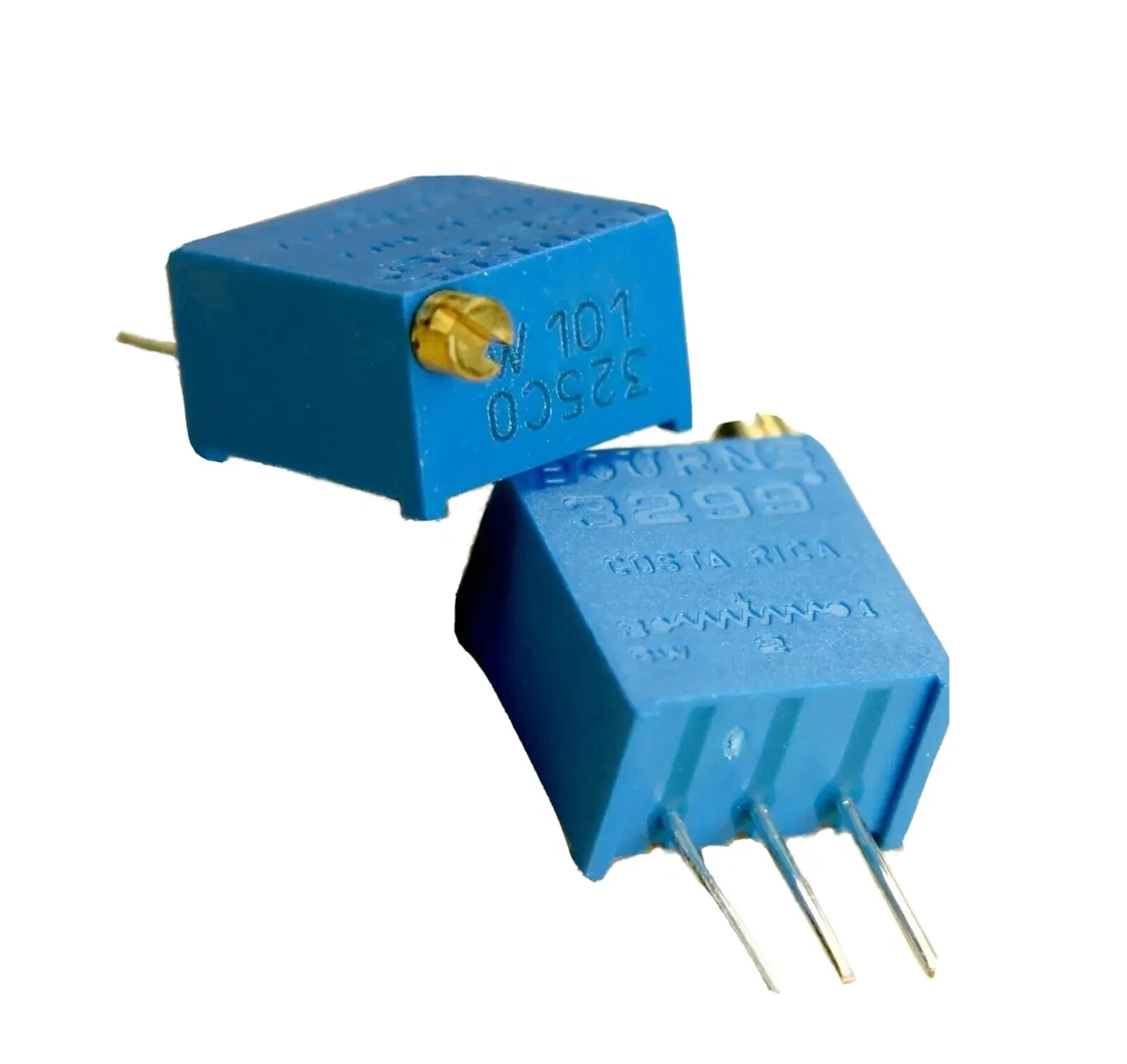
Trimmer resistors are available in various packages. Common types include single-turn and multi-turn. Single-turn trimmers offer quick adjustments. Multi-turn trimmers provide more precise control.
These trimmers are mounted on circuit boards. They can be adjusted using a small screwdriver. This makes them user-friendly for engineers and technicians alike.

Credit: handsontec.com
Types Of Trimmer Resistors
Trimmer resistors are adjustable resistors used for tuning and calibration. They are essential in circuits requiring precise resistance values. Below, we explore the different types of trimmer resistors and their specific uses.
Single-turn
Single-turn trimmer resistors are simple and easy to adjust. They have a single rotation range, usually 270 degrees. This type suits applications needing quick and easy adjustments.
- Fast adjustment
- Simple design
- Common in low-precision circuits
Multi-turn
Multi-turn trimmer resistors allow for more precise control. They can rotate multiple times, offering finer adjustments. These are perfect for high-precision circuits needing exact resistance values.
- High precision
- Multiple rotations for fine-tuning
- Used in high-precision applications
| Type | Rotation Range | Use Cases |
|---|---|---|
| Single-Turn | 270 degrees | Low-precision circuits |
| Multi-Turn | Multiple turns | High-precision circuits |
Working Principle
A trimmer resistor is a small adjustable resistor. It allows fine-tuning of resistance values in a circuit. This component is essential for calibrating and adjusting electronic devices. Understanding its working principle can help optimize circuit performance.
Adjusting Resistance
Trimmer resistors have a movable contact called a wiper. The wiper adjusts the resistance by sliding over a resistive element. This adjustment changes the resistance between the wiper and the two fixed terminals.
There are different types of trimmer resistors, including single-turn and multi-turn. Single-turn trimmers are adjusted with a single rotation. Multi-turn trimmers offer more precision with multiple rotations.
Here is a simple comparison:
| Type | Adjustment | Precision |
|---|---|---|
| Single-turn | One rotation | Low |
| Multi-turn | Multiple rotations | High |
Circuit Integration
Trimmer resistors integrate easily into circuits. They are usually connected in parallel or series with other components. This helps to fine-tune circuit parameters.
Here are some common uses:
- Setting reference voltages
- Adjusting gain in amplifiers
- Calibrating sensors
To integrate a trimmer resistor, follow these steps:
- Identify the desired resistance range.
- Choose a suitable trimmer type.
- Install the trimmer in the circuit.
- Adjust the wiper to achieve the desired resistance.
The trimmer resistor’s versatility makes it invaluable in precise electronic adjustments.
Credit: www.ebay.com
Applications In Electronics
Trimmer resistors are small, adjustable components. They are used to fine-tune circuits. These resistors are crucial in various electronics applications. They ensure circuits perform accurately.
Calibration
Trimmer resistors are essential for calibration. Calibration ensures devices function correctly. These resistors help set precise values. This is vital in measurement instruments. For example, in multimeters, trimmer resistors adjust the reading accuracy. They help maintain consistent performance over time.
Tuning And Matching
Tuning and matching are key in radio frequency (RF) circuits. Trimmer resistors adjust the frequency response. This helps match components for optimal performance. They are used in filters and oscillators. This ensures the desired signal frequency is achieved.
| Application | Purpose |
|---|---|
| Calibration | Adjusts measurement accuracy |
| Tuning and Matching | Optimizes frequency response |
Trimmer resistors are also used in audio equipment. They help in tone and volume control. This ensures high-quality sound output.
Advantages Of Trimmer Resistors
Trimmer resistors are small, adjustable components. They allow for precise tuning of electrical circuits. These resistors offer various advantages that make them essential in many applications. Let’s explore some key benefits.
Precision Control
Trimmer resistors provide exceptional precision control. They allow for fine-tuning of resistance values. This is crucial in circuits that require exact settings. You can achieve target resistance with minimal effort. This feature helps improve overall circuit performance. It ensures the stability and accuracy of electrical devices.
Compact Size
The compact size of trimmer resistors is another major advantage. These components are small and lightweight. They fit into tight spaces easily. This makes them ideal for use in modern electronics. Devices are getting smaller, and space is limited. Trimmer resistors help in efficient space utilization.
| Advantage | Benefit |
|---|---|
| Precision Control | Fine-tuning of resistance values |
| Compact Size | Fits into tight spaces |
To summarize, trimmer resistors offer precision control and compact size. These features make them indispensable in various electronic applications.
Common Issues And Solutions
Trimmer resistors are small adjustable resistors. They are vital in fine-tuning circuits. Yet, they face common issues. Below, we explore these issues and offer solutions.
Wear And Tear
Wear and tear is a common issue in trimmer resistors. Frequent adjustments can cause damage. This leads to inaccurate resistance values.
- Solution: Limit the number of adjustments.
- Solution: Use resistors with higher durability.
Also, inspect the resistor regularly. Look for signs of physical damage. Replace damaged resistors immediately.
Environmental Factors
Environmental factors can affect trimmer resistors. Temperature changes can alter resistance values. Humidity can also cause corrosion. Both of these factors lead to inaccurate readings.
| Issue | Solution |
|---|---|
| Temperature Changes | Use resistors with temperature compensation. |
| Humidity and Corrosion | Use sealed trimmer resistors. |
Consider placing resistors in controlled environments. This helps maintain their accuracy.
Selection Criteria
When choosing a trimmer resistor, several factors should be considered. The right selection ensures optimal performance and longevity. This section discusses the key selection criteria to help you make an informed decision.
Resistance Range
The resistance range of a trimmer resistor is crucial. It determines how much resistance the resistor can provide. Check the minimum and maximum values specified. This range must meet the requirements of your circuit.
For example, if your circuit needs fine adjustments, choose a trimmer with a narrow resistance range. If flexibility is needed, opt for a wider range.
Power Rating
The power rating indicates how much power the trimmer resistor can handle. Exceeding this rating can damage the resistor. Select a resistor with a power rating higher than your circuit’s needs.
Here’s a quick guide to help you:
| Application | Recommended Power Rating |
|---|---|
| Low-Power Circuits | 0.1W to 0.25W |
| Medium-Power Circuits | 0.25W to 0.5W |
| High-Power Circuits | 0.5W to 1W or more |
Always ensure the power rating exceeds your circuit’s power requirements for safety and efficiency.
Future Trends
Trimmer resistors, or trim pots, are vital in fine-tuning electronic circuits. They adjust resistance values precisely. The future of trimmer resistors is evolving rapidly. Let’s explore future trends in this technology.
Miniaturization
Electronic devices are shrinking. This trend demands smaller components. Miniaturized trimmer resistors are becoming crucial. Smaller resistors fit better in compact devices. They maintain performance and save space.
Manufacturers are developing nano-scale trimmer resistors. These resistors are tiny but powerful. They suit wearable technology and portable gadgets. Expect to see them in smartwatches and fitness trackers.
| Device | Application | Benefits |
|---|---|---|
| Smartwatch | Display adjustment | Long battery life |
| Fitness tracker | Sensor calibration | Accurate readings |
Enhanced Durability
Modern electronics need durable components. Enhanced durability in trimmer resistors is essential. New materials improve resistor lifespan. They resist wear and tear better.
High-temperature resistors work in extreme conditions. They suit automotive and aerospace industries. These resistors endure heat and vibrations. This makes them reliable in harsh environments.
- Automotive: Engine control units
- Aerospace: Satellite systems
- Industrial: Factory automation
Waterproof trimmer resistors are also emerging. These resistors function in wet conditions. They are perfect for outdoor devices and marine applications. Expect to see more of these in the future.
Frequently Asked Questions
What Is The Function Of A Trimmer Resistor?
A trimmer resistor fine-tunes circuit parameters. It adjusts resistance to calibrate and stabilize electronic devices. Ideal for precision control.
What Is The Use Of Resistor In Clipper?
A resistor in a clipper limits the current flow and controls voltage levels. It protects the circuit components.
What Is The Difference Between Potentiometer And Trimmer?
A potentiometer allows variable resistance adjustment for continuous tuning. A trimmer provides fine-tuning adjustments, usually set once and left unchanged.
What Does A Trim Potentiometer Do?
A trim potentiometer adjusts electrical resistance in a circuit. It fine-tunes voltage levels and calibrates equipment.
Conclusion
Understanding trimmer resistors is crucial for precise electronic adjustments. These tiny components ensure your circuits perform optimally. By learning their function and applications, you can enhance your electronics projects. Keep exploring different types and uses to master your skills. Trimmer resistors are key to achieving fine-tuned electronic performance.