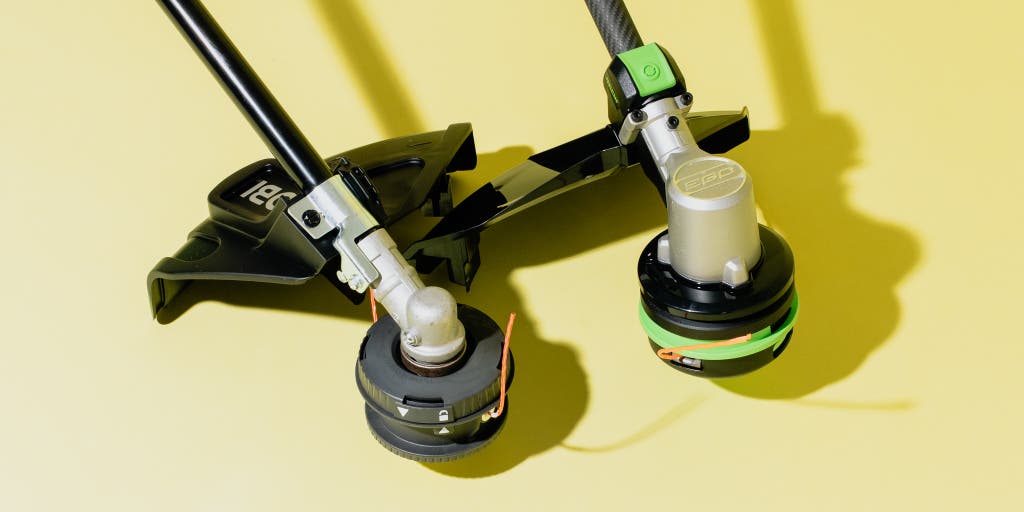
When selecting a string trimmer, focus on factors like power source, cutting width, and handle design. These features will determine the tool’s performance and ease of use.
As a professional landscaper or avid gardener, you understand the importance of having the right tools for the job. When it comes to maintaining your outdoor space, a string trimmer is an essential tool that can make all the difference. But with so many options on the market, how do you know which one is right for you?
In this blog post, we will discuss what to look for in a string trimmer to ensure you choose the best one for your needs. From power and versatility to ease of use and durability, we will cover all the key factors that should be considered when making this important purchase.
So if you’re in the market for a new string trimmer, keep reading to find out what features and specifications you should prioritize.
Credit: www.menards.com
What to Look for in a String Trimmer? Making the Right Choice
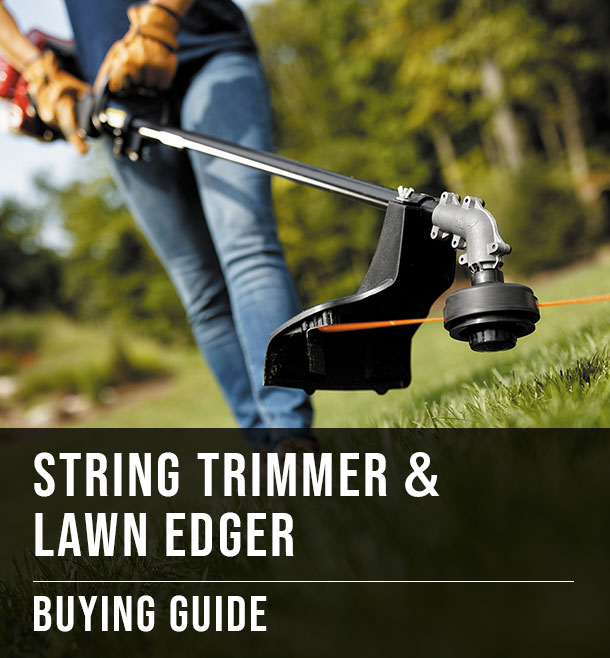
When it comes to maintaining a pristine lawn or tackling unruly vegetation, a string trimmer, also known as a weed eater or weed whacker, can be an indispensable tool. However, not all string trimmers are created equal, and choosing the right one for your needs can make a significant difference in efficiency and performance.
In this guide, we’ll explore the key factors to consider when selecting a string trimmer to ensure you make an informed decision that meets your specific requirements.
1. Power Source
A string trimmer is an essential tool for maintaining a tidy and polished outdoor space. When you’re on the market for a new string trimmer, one of the most crucial factors to consider is the power source.
1.1. Electric
An electric string trimmer is an environmentally friendly option that offers consistent, reliable power. It’s easy to use and maintain, making it ideal for small to medium-sized yards.
1.2. Gasoline
A gasoline-powered string trimmer provides a robust, high-performance solution for larger yards and tougher vegetation. It offers the freedom of mobility with no cords or batteries to limit your movement.
1.3. Battery
A battery-powered string trimmer provides the convenience of cordless operation without the limitations of gasoline fumes or the need for electrical outlets. It’s a versatile choice suitable for most households, offering a balance of power and ease of use.

Credit: www.homedepot.com
2. Cutting Mechanism
2. Cutting Mechanism
When purchasing a string trimmer, understanding the cutting mechanism is crucial. This aspect determines how effectively the machine can tackle grass and weeds in your yard. Paying attention to the cutting mechanism ensures you select the most suitable trimmer for your landscaping needs.
2.1. Trimmer Line
The trimmer line is a critical component of a string trimmer, responsible for cutting through vegetation. Different trimmers offer varying line thicknesses, typically ranging from 0.065 to 0.110 inches. Thicker lines are better suited for tougher vegetation, while thinner lines can handle lighter tasks. Consider the type of tasks you’ll be undertaking to determine the appropriate line thickness for your needs.
2.2. Blade
Some string trimmers come with a blade attachment in addition to the trimmer line. Blades are advantageous for tackling thicker, denser vegetation that may be challenging for the trimmer line alone. If you anticipate dealing with an overgrown area, a string trimmer with a blade option could be a valuable addition to your arsenal.
3. Cutting Width And Swath
When it comes to choosing a string trimmer, it’s important to consider the cutting width and swath. These factors determine the efficiency and effectiveness of the trimmer in tackling your yard work. Let’s dive into the details and understand what to look for in this aspect.
3.1. Width
The cutting width refers to the diameter of the area the string trimmer can cover in a single pass. A wider cutting width means you can trim more grass or weeds in one go, reducing the time and effort required to complete the task. Typically, cutting widths range from 12 to 18 inches, with some heavy-duty models reaching up to 20 inches.
Choosing the right cutting width depends on the size of your yard and the kind of vegetation you need to trim. For smaller yards or tight spaces, a trimmer with a narrower cutting width can maneuver easily around obstacles like trees and flower beds. On the other hand, if you have a larger yard with thick and dense vegetation, a wider cutting width would be more efficient, helping you finish the job faster.
3.2. Swath
The swath is the area of grass or weeds cleared with each revolution of the string trimmer’s head. It determines how quickly you can cover a large area and move on to the next section. A wider swath means you can clear more ground with each rotation, reducing the time and energy spent on trimming.
When comparing trimmers, pay attention to the swath measurement. Models with larger engines typically have wider swaths, allowing for faster and more efficient trimming. However, keep in mind that a wider swath may also result in a heavier machine, which can be tiring to handle for extended periods. Consider your physical capabilities and the overall weight of the trimmer before choosing a model with an extra-wide swath.
Credit: www.protoolreviews.com
4. Shaft Type And Length
When selecting a string trimmer, consider the shaft type and length to ensure comfortable operation and reach for your landscaping needs. Opt for a shaft that allows for adjustable length to accommodate different users and provides easy maneuverability.
Choosing the right shaft type and length for your string trimmer is crucial for a comfortable and effective trimming experience. The shaft determines the overall balance and maneuverability of the trimmer, while the length determines the reach and control you have over the tool. Let’s explore the different options available:
4.1. Straight Shaft
A straight shaft string trimmer is a popular choice among professional landscapers and homeowners with large properties. This type of shaft offers excellent reach, allowing you to easily trim hard-to-reach areas such as under bushes or fences. Its extended length provides better control and stability, especially when dealing with tough weeds or thick grass. Additionally, a straight shaft trimmer is generally more durable and less likely to bend or break under heavy use.
4.2. Curved Shaft
If you have a smaller yard or prefer a lightweight and easy-to-handle trimmer, a curved shaft option may be ideal for you. The curved design makes the trimmer more compact and lighter than its straight shaft counterpart, making it easier to maneuver around obstacles and tight spaces. This type of shaft is also a great choice for individuals who have limited physical strength or suffer from back pain, as it puts less strain on the user’s arms and back.
4.3. Adjustable Length
An adjustable length shaft provides the versatility and flexibility to adapt to various trimming needs. With this feature, you can easily adjust the length of the shaft to suit your height and reach requirements, ensuring optimal comfort and control while trimming. Whether you need a shorter length for precision work or a longer length for trimming areas that are farther away, an adjustable shaft allows you to customize the tool to your specific needs.
In Summary
Choosing the right shaft type and length for your string trimmer is essential for a comfortable and efficient trimming experience. Whether you opt for a straight shaft for extended reach and durability, a curved shaft for ease of maneuverability, or an adjustable length shaft for versatility, consider your specific needs and preferences. Remember that the right shaft type and length can make all the difference in achieving a beautifully manicured lawn.
5. Additional Features
When evaluating a string trimmer, it’s essential to consider additional features like adjustable handles, easy-to-load line systems, and compatibility with various attachments. These features enhance user comfort, efficiency, and versatility, providing a more comprehensive and convenient trimming experience.
When it comes to choosing the right string trimmer, there are several additional features that you should consider. These features can make a big difference in terms of usability and performance, so it’s important to pay attention to them. In this section, we will discuss four key additional features: easy start, weight, noise level, and ergonomic design.
5.1. Easy Start
One of the most important things to look for in a string trimmer is an easy start feature. Starting a trimmer can sometimes be a hassle, especially if you have to pull a cord multiple times to get it going. An easy start feature, such as a push-button ignition or a spring-assisted starter, makes the starting process much smoother and more convenient. With an easy start feature, you can save time and effort, and get your trimming job done quickly and efficiently.
5.2. Weight
The weight of a string trimmer is another crucial consideration, as it directly affects user comfort and maneuverability. If a trimmer is too heavy, it can quickly become tiring to use, especially if you have a large yard or a lot of trimming to do. On the other hand, a lightweight trimmer allows for easy handling and reduces fatigue. When choosing a trimmer, look for a balance between power and weight to ensure maximum comfort and control during operation.
5.3. Noise Level
Noise pollution is a concern for many people, and that’s why it’s important to choose a string trimmer with a low noise level. Some trimmers can be quite loud, which can be not only irritating to the user but also disruptive to others nearby. Fortunately, there are trimmers available that have noise reduction features, such as noise-dampening shields or mufflers. Opting for a trimmer with a lower noise level will not only make your trimming experience more pleasant but also help maintain a peaceful environment.
5.4. Ergonomic Design
Ergonomic design is an often overlooked but highly important feature when it comes to string trimmers. An ergonomic design ensures that the trimmer is easy to hold and use for extended periods without causing discomfort or strain. Look for features such as an adjustable handle or a padded grip, which can enhance user comfort and prevent fatigue. Prioritizing an ergonomic design will make your trimming sessions more enjoyable and allow you to focus on the task at hand.
6. Price And Warranty
When investing in a string trimmer, it’s important to consider both the price and the warranty of the product. By understanding the price range and warranty options available, you can make an informed decision that suits your budget and provides peace of mind.
6.1. Price Range
The price range of string trimmers can vary significantly, depending on factors like brand, power source, and features. Here’s a breakdown of the different price categories:
| Price Range | Features |
|---|---|
| Budget-Friendly | Basic functionality, suitable for small yards or occasional use |
| Mid-Range | Improved power and durability, suitable for medium-sized yards |
| High-End | Advanced features, longer battery life or more engine power, ideal for larger or professional use |
When considering the price range, it’s important to determine your specific needs and assess how frequently and intensively you’ll be using the string trimmer. This will help you find the right balance between cost and functionality.
6.2. Warranty
String trimmers, like any other power tool, are not immune to defects or malfunctions. That’s why it’s crucial to examine the warranty options provided by the manufacturer. A comprehensive warranty can protect you from unexpected expenses and headaches in the future.
Here are some key factors to consider when assessing the warranty:
- Coverage: Ensure that the warranty covers both parts and labor, providing you with full protection against defects and repairs.
- Duration: Check the length of the warranty period. Some brands offer longer warranties, which can indicate their confidence in the product’s quality.
- Conditions: Read the warranty terms and conditions carefully to understand any limitations or exclusions, such as improper usage or unauthorized repairs.
- Customer Support: Research the manufacturer’s customer support reputation to ensure they have a responsive and helpful team ready to assist you.
By considering the price range and warranty options together, you can find a string trimmer that not only fits your budget but also provides the necessary protection and support from the manufacturer. Choose wisely, and enjoy the benefits of a reliable and long-lasting trimming tool.
Frequently Asked Questions For What To Look For In A String Trimmer
What Are The Different Types Of String Trimmers?
There are mainly two types of string trimmers available in the market – gas-powered trimmers and electric trimmers. Gas-powered trimmers offer more power and mobility, while electric trimmers are lightweight and convenient to use with a power source. Choose according to your needs and preferences.
How Do I Choose The Right String Trimmer For My Yard?
When choosing a string trimmer, consider the size of your yard, the type of grass or weeds you need to trim, and your personal preferences. Gas-powered trimmers are ideal for larger yards and tougher foliage, while electric trimmers are suitable for smaller yards and lighter trimming tasks.
What Features Should I Look For In A String Trimmer?
Look for features like adjustable cutting width, ergonomic design, easy-to-use controls, a reliable cutting line system, and a comfortable grip. Additionally, consider features such as a telescopic shaft for height adjustment and an easy-to-load string spool for convenient operation.
How Often Should I Replace The Cutting Line On My String Trimmer?
It is recommended to replace the cutting line on your string trimmer when it becomes worn or breaks. The frequency depends on how often you use the trimmer and the type of vegetation you are trimming. Inspect the cutting line regularly and replace it as needed for optimal performance.
Conclusion
To sum up, selecting the right string trimmer for your needs is crucial in achieving a well-maintained lawn. Consider the power source, cutting width, ergonomic design, and maintenance requirements when making a choice. Keep in mind that a string trimmer should be efficient, durable, and user-friendly.
By taking these factors into account, you’ll be on your way to achieving a pristine outdoor space that you can be proud of.