
A lawn edger is a tool to form distinct boundaries between a grass lawn and other surfaces using a sharp blade. A lawn edger is a garden tool that creates clean and defined boundaries between a grass lawn and other surfaces.
This tool has a sharp blade that cuts a trench between the grass and hedges or other areas, providing a finished and manicured look to the lawn or flowerbed. Whether manual or motorized, a lawn edger helps trim the grass on the edge of the lawn or flowerbed that a lawnmower may not reach, resulting in a well-maintained and polished appearance.
The purpose of a lawn edger is to provide a clean and precise finish to the lawn, which a regular lawnmower cannot achieve. Additionally, it differs from a string trimmer, which is suitable for trimming grass in tight spots that a lawnmower cannot reach.
What is a Lawn Edger?
An edge trimmer or lawn edger is a garden tool, either manual or motorised, used to form distinct boundaries between a lawn, typically consisting of grass, or other soft botanical ground cover, and another area, such as a flowerbed or sidewalk. This article will provide a comprehensive overview of lawn edgers, including the definition and purpose of a lawn edger, the difference between a lawn trimmer and an edger, and the benefits of using a lawn edger.
Lawn edgers cut a trench between the grass and hedges or other areas using a very sharp blade. It is a tool that trims the grass on the very edge of a lawn or flowerbed that the lawnmower may not be able to reach.
Difference between a lawn trimmer and an edger
String trimmers are used to trim the grass in tight spots that a lawn mower can’t reach, like along a fence, under decks, or near delicate plants and shrubs. On the other hand, lawn edgers are used to clean up borders along sidewalks and driveways.
- Creates clean and defined edges
- Enhances curb appeal
- Helps to maintain a tidy and well-kept garden
- Prevents grass roots from encroaching on paved areas
- Improves overall landscaping appearance
Types Of Lawn Edgers
An edge trimmer or lawn edger is a garden tool, either manual or motorized, that helps create distinct boundaries between a lawn and other areas. There are various types of lawn edgers to suit different needs, including manual lawn edgers, motorized lawn edgers, and edger attachments for push mowers.
Manual Lawn Edgers
Manual lawn edgers are operated by hand and are designed for precision and control. They typically have a sharp blade that is pushed or pulled along the edge of the lawn to create a clean and well-defined border. These edgers are ideal for small to medium-sized lawns and offer a more hands-on approach to lawn edging.
Motorized Lawn Edgers
Motorized lawn edgers are powered by electricity or gas and are suitable for larger lawns or professional landscaping tasks. These edgers are equipped with a motor that drives the cutting blade, making the edging process more efficient and less physically demanding. They are perfect for achieving crisp and defined edges with minimal effort.
Edger Attachments For Push Mowers
Edger attachments are designed to be used with push mowers, enhancing their functionality by adding an edging feature. These attachments allow the mower to double as an edger, eliminating the need for a separate edging tool. They are convenient for homeowners who want to streamline their lawn maintenance equipment while achieving professional-looking edging results.
How To Use A Lawn Edger
A lawn edger is a garden tool used to create distinct boundaries between a lawn and other areas. It can be manual or motorized and is equipped with a sharp blade to cut a trench along the edges for a clean and neat appearance.
Lawn edgers are especially useful for trimming grass in areas inaccessible to a lawnmower.
Step-by-step Guide To Using A Manual Lawn Edger:
To achieve a perfectly manicured lawn, a manual lawn edger can be a valuable tool. Here’s a step-by-step guide on how to use one:
1. Start by preparing the area:
Before using the lawn edger, ensure that the grass is short and free from debris. Clear any rocks, sticks, or weeds that can hinder the edging process.
2. Determine the edging line:
Decide where you want the edge of your lawn to be. This can be along a sidewalk, driveway, or flower bed. Visualize the line and mark it with a peg or a string.
3. Position the lawn edger:
Stand with the lawn edger on your right side if you are right-handed or on your left side if you are left-handed. Hold the handle with both hands, with one hand near the blade guard for stability and the other on the handle grip.
4. Start edging:
With the blade guard facing away from you, place the blade on the edge of the grass, aligning it with the marked line. Apply gentle downward pressure to start cutting into the soil.
5. Move forward:
Slowly push the lawn edger forward, allowing the blade to cut through the grass and create a defined edge. Maintain a steady and consistent pace to ensure a uniform result.
6. Repeat the process:
Continue edging along the marked line until you have covered the desired area. Take your time and make sure to follow the line accurately for a neat and professional-looking edge.
7. Clean up:
Once you have finished edging, use a rake or broom to remove any loose grass or soil that may have accumulated on the edge. This will give your lawn a clean and finished appearance.
Remember, using a manual lawn edger may require some physical effort, but it offers precise control and is a cost-effective option. Enjoy the satisfaction of achieving a well-defined edge that enhances the overall aesthetics of your lawn.
Tips For Using A Motorized Lawn Edger:
Motorized lawn edgers offer convenience and efficiency in maintaining crisp edges on your lawn. Here are some tips to ensure optimal results:
- Choose the right edging depth: Adjust the cutting depth of the motorized edger according to the thickness of your grass. Setting it too shallow may not give you a clean cut, while setting it too deep can damage the grass roots. Experiment with different depths until you find the ideal one.
- Plan your route: Before starting, plan the path you will take with the motorized edger. This will help you avoid unnecessary overlaps and ensure a smooth and consistent edge.
- Maintain a steady speed: When using a motorized edger, keep a steady pace to achieve a uniform edge. Avoid rushing or slowing down abruptly, as it can result in irregular cuts.
- Watch for obstacles: Pay attention to any obstacles like rocks, tree roots, or pipes that may be underground. These can damage the edger blade or cause accidents. Clear the area of any potential hazards before starting.
- Use safety equipment: Always wear protective gear such as safety goggles, gloves, and sturdy footwear while operating a motorized lawn edger. It is also recommended to use ear protection due to the loud noise generated by the engine.
Safety Precautions While Using A Lawn Edger:
Safety should be a priority when using any garden tool, including a lawn edger. Follow these precautions to ensure a safe and accident-free experience:
- Read the manual: Familiarize yourself with the instructions and safety guidelines provided by the manufacturer. Understand the functioning of the specific lawn edger model you are using.
- Clear the area: Remove any debris, toys, or other items from the area you will be edging. Pay attention to hidden objects, such as sprinkler heads or cables, that may be buried underground.
- Maintain proper footing: Make sure you have a stable and balanced footing while operating the lawn edger. Avoid using it on uneven or slippery surfaces.
- Keep bystanders away: Ensure that there are no children, pets, or other individuals near the working area to prevent accidents or injuries. It’s best to keep a safe distance from others while operating the edger.
- Handle the blade with care: If using a manual lawn edger, be cautious when handling the sharp blade. Keep your hands away from the blade, and store the edger in a safe place when not in use. Remember to prioritize safety when using a lawn edger, as it will help prevent accidents and ensure a pleasant yard work experience.

Credit: badgerearthtools.com
Alternatives To Using A Lawn Edger
An edge trimmer or lawn edger is a useful tool for creating distinct boundaries between a lawn and other areas. However, if you don’t have access to a lawn edger or simply prefer alternative methods, there are a few options you can consider. Here are two popular alternatives for edging your lawn:
Using A String Trimmer For Edging
A string trimmer, also known as a weed eater or weed whacker, can be a practical substitute for a lawn edger when it comes to edging your lawn. With its rotating nylon string, a string trimmer can effortlessly cut through grass along sidewalks, driveways, or other borders. Here’s how you can use it:
- Wear protective eyewear and sturdy footwear.
- Adjust the trimmer’s height to a comfortable position.
- Hold the trimmer at a slight angle with the string contacting the edge of the lawn.
- Move the trimmer slowly and along the desired edge, applying light pressure.
- Continue trimming until the desired edge is achieved.
- Use a broom or blower to clean up any clippings.
Using A Shovel For Edging
Another alternative to using a lawn edger is to employ a shovel for edging your lawn. While it may require more physical effort, a shovel can create a clean and defined edge. Here’s how you can use it:
- Wear protective gloves and sturdy footwear.
- Choose a sharp-edged shovel suitable for edging.
- Determine the desired edge shape and mark it using stakes and string.
- Hold the shovel at an angle against the grass.
- With a firm grip, press the shovel’s blade into the turf and make a clean cut along the marked edge.
- Repeat this process along the entire edge.
- Use a broom to remove any loose soil and tidy up the area.
Pros And Cons Of Using Alternatives
While using alternatives to a lawn edger can be effective, it’s essential to consider their pros and cons:
| Using a String Trimmer for Edging | Using a Shovel for Edging |
|---|---|
|
|
|
|
Best Practices For Lawn Edging
Best Practices for Lawn Edging Lawn edging is an essential task to maintain the neat and polished appearance of your yard. By creating distinct boundaries between your lawn and other areas, such as sidewalks or flower beds, you can achieve a well-groomed look. However, to achieve professional-level results, it is important to follow some best practices for lawn edging.
In this article, we will explore three key aspects of lawn edging: choosing the right time to edge your lawn, maintaining straight and clean lines, and avoiding common mistakes. By adhering to these practices, you can ensure a flawless edge that enhances the overall appeal of your outdoor space.
Choosing the Right Time to Edge Your Lawn
When it comes to lawn edging, timing is crucial. It is best to choose a dry day to perform this task as wet soil can make it difficult to create clean and precise edges. Additionally, a dry lawn allows the edging tool to cut through the soil smoothly, resulting in a more defined boundary.
Maintaining Straight and Clean Lines
While Edging To achieve a professional finish, it is imperative to maintain straight and clean lines while edging your lawn. One effective way to achieve this is by using a string or chalk line as a guide. Simply stretch the line along the desired edge and use it as a visual reference to ensure a straight cut. This technique helps you maintain consistency throughout the entire edging process. Furthermore, it is important to keep the blade of your lawn edger sharp. A dull blade can cause uneven cuts and may result in jagged edges. Regularly inspect and sharpen the blade to ensure precise and clean cuts.
Avoiding Common Mistakes in Lawn Edging
To ensure flawless lawn edging, it is crucial to avoid common mistakes that can compromise the quality of the finished edge. One common mistake is edging too deep into the lawn, which can damage the grass roots and affect the overall health of your lawn. It is recommended to edge no deeper than one inch into the soil to protect the grass while maintaining a neat edge.
Another common mistake is rushing the edging process. Take your time and work methodically to achieve clean and accurate cuts. Rushing can lead to uneven edges and an unprofessional appearance.
Lastly, be mindful of the proper positioning of your body while edging. Maintain a comfortable and balanced stance, evenly distributing your weight to ensure precise control of the edging tool.
By following these best practices, you can achieve a professionally edged lawn that enhances the overall appeal of your outdoor space. Remember to choose the optimal time, maintain straight lines, and avoid common mistakes for a flawless and polished finish.
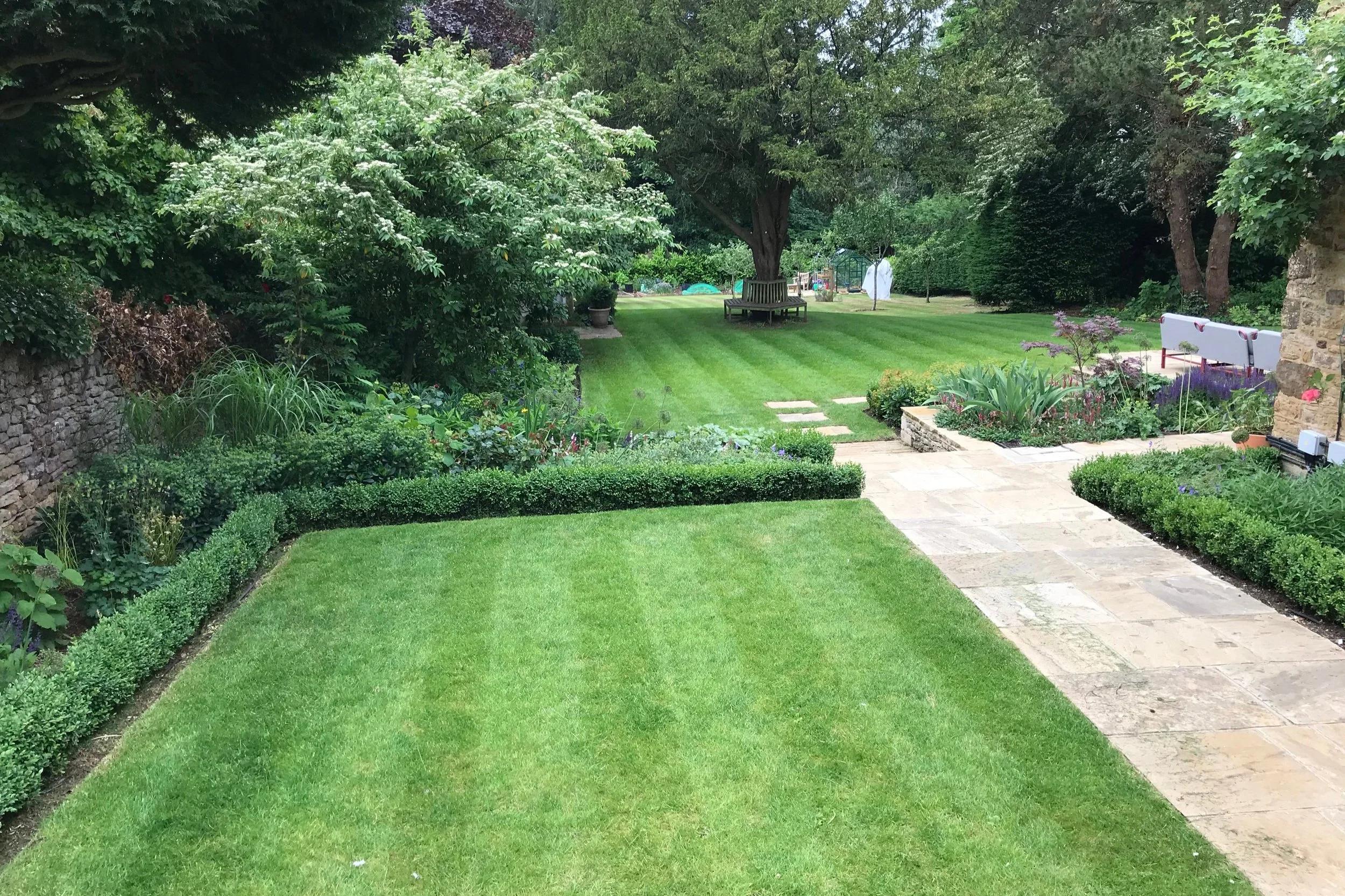
Credit: www.lawnmowingbusiness.co.uk
Frequently Asked Questions On What Is A Lawn Edger
What Is The Purpose Of A Lawn Edger?
A lawn edger is used to create distinct boundaries between a lawn and other areas using a sharp blade. It trims grass in areas that a lawnmower may not reach, such as along sidewalks and driveways. It ensures the lawn’s edges have a clean and polished look.
What Is The Difference Between A Lawn Trimmer And An Edger?
A lawn trimmer is used to trim grass in tight spots that a lawn mower can’t reach. On the other hand, an edger is used to clean up borders along sidewalks and driveways. A lawn edger cuts a trench between the grass and other areas using a sharp blade.
Do You Really Need An Edger?
Yes, a lawn edger is a tool used to create distinct boundaries between a lawn and other areas. It cuts a trench with a sharp blade, trimming the grass on the edge of the lawn or flowerbed that a lawnmower may not reach.
While you can DIY with a weed wacker, an edger is designed to create straight, clean lines.
Can You Edge A Lawn Without An Edger?
Yes, you can edge a lawn without an edger. You can use a shovel or lawn trimmer to create distinct boundaries between the grass and other areas. Take your time and follow the right steps for a clean edge.
Conclusion
A lawn edger, whether manual or motorized, is a versatile tool used to create defined boundaries between a lawn and other areas. It helps to create clean lines and trim the grass in tight spots that a lawnmower may not be able to reach.
While some may attempt to DIY using a weed wacker, an edger is specifically designed to provide straight and professional-looking edges. Whether you choose a mechanical or manual edging tool, using a lawn edger ensures a well-manicured and polished appearance for your outdoor space.