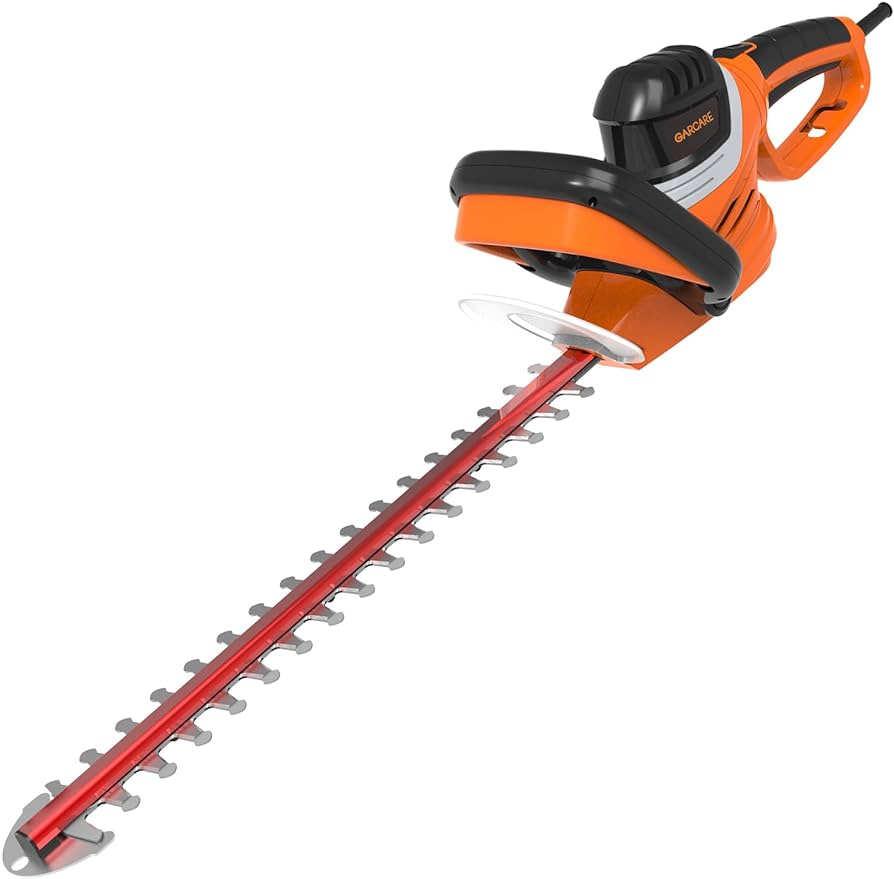
A hedge trimmer can cut wood, but it is not designed to cut thick branches or large pieces of wood effectively. It is best used for trimming and shaping hedgerows, medium-to-large bushes, and hard-to-reach areas.
Pruning perennials, grasses, and ground cover is also possible with a hedge trimmer, as well as cutting branches that fit between the teeth of its blade. However, for cutting down large trees or thick branches, it is recommended to use more suitable tools like chainsaws or pruning shears.
It is important to choose the right tool for the task at hand to ensure safety and achieve the desired results.
Understanding Hedge Trimmers
Hedge trimmers are not designed to cut wood and should not be used for that purpose. They are specifically designed for trimming and shaping hedgerows, bushes, and perennials, and are not equipped with enough power to cut through thick branches.
It is best to use appropriate tools like chainsaws or pruning shears for cutting wood.
Understanding Hedge Trimmers Hedge trimmers are essential tools for garden maintenance, enabling you to shape and trim hedgerows, bushes, and even ground cover. These versatile tools make it easy to maintain the appearance of your garden and keep your plants healthy.
But can a hedge trimmer cut wood? In this section, we will dive deeper into understanding hedge trimmers, exploring the types available and their features and functionality.
Types of Hedge Trimmers
When it comes to hedge trimmers, there are several types to choose from. Understanding the different types can help you make an informed decision when selecting the right tool for your needs. Here are the main types of hedge trimmers:
- Electric Hedge Trimmers: Electric hedge trimmers are powered by electricity and are ideal for small to medium-sized gardens. They are lightweight, easy to maneuver, and produce less noise compared to gas-powered trimmers. Additionally, electric trimmers require less maintenance and are more environmentally friendly.
- Cordless Hedge Trimmers: Cordless hedge trimmers operate on rechargeable batteries, offering excellent freedom of movement without the restriction of a power cord. These trimmers are typically less powerful than their electric or gas counterparts but are perfect for light to medium trimming tasks.
- Gas-Powered Hedge Trimmers: Gas-powered hedge trimmers are the most powerful and versatile option available. They are capable of tackling large, overgrown hedges and can handle thick branches with ease. However, they tend to be heavier, noisier, and require regular maintenance.
Features and Functionality
Hedge trimmers come with various features and functionalities designed to enhance their performance and user experience. Understanding these features can help you select a trimmer that suits your specific needs. Here are some key features to consider:
- Blade Length: The length of the trimmer’s blade determines how much area it can cover in a single pass. Longer blades are suitable for large hedges, while shorter blades work well for precision trimming.
- Cutting Capacity: The cutting capacity refers to the maximum thickness of branches that the trimmer can handle. It is essential to check the cutting capacity of a hedge trimmer to ensure it can handle the wood you intend to cut.
- Dual-Action Blades: Many hedge trimmers feature dual-action blades that move in opposite directions. This design reduces vibrations, improves cutting efficiency, and produces cleaner cuts.
- Safety Features: Look for hedge trimmers with safety features such as a safety switch, handguard, and blade cover. These features help prevent accidents and protect you while using the trimmer.
In conclusion, hedge trimmers are powerful tools that can help maintain the appearance and health of your garden. While they are not specifically designed to cut wood, some trimmers with higher cutting capacity may be able to handle small branches. However, it is always best to use the right tool for the job to ensure safety and optimal performance.

Credit: www.amazon.com
Assessing Wood Cutting Potential
A hedge trimmer is a versatile tool commonly used for trimming and shaping hedges and bushes. But can it cut wood? While a hedge trimmer may have the potential to cut through small branches and twigs, its effectiveness when it comes to cutting wood is limited. In this section, we will explore the limitations of hedge trimmers when it comes to wood cutting and the factors that influence their cutting ability.
Limitations Of Hedge Trimmers
When it comes to cutting wood, hedge trimmers have several limitations that make them less suitable for the task:
- Blade Size: Hedge trimmers typically have shorter blades compared to chainsaws or other wood-cutting tools. This limits their ability to cut through thicker or denser wood effectively.
- Power: Hedge trimmers are powered by electricity or batteries, which may lack the necessary power to cut through larger pieces of wood. The motors of hedge trimmers are usually designed for trimming and shaping tasks, not for cutting through hardwood.
- Blade Design: The blade design of hedge trimmers is optimized for cutting thin branches and foliage, not solid wood. The teeth on the blade are spaced close together, which makes it difficult to cut through larger pieces of wood.
Factors Influencing Cutting Ability
While hedge trimmers are not specifically designed for cutting wood, certain factors can influence their cutting ability:
- Wood Type: Softwood, such as pine or cedar, is generally easier to cut through compared to hardwood like oak or maple. Hedge trimmers may be more effective at cutting through softer woods.
- Wood Thickness: The thickness of the wood plays a significant role in the hedge trimmer’s cutting ability. Thinner branches and twigs are more likely to be cut through successfully, while thicker wood may require a more powerful tool.
- Blade Sharpness: A sharp blade is crucial for cutting wood efficiently. Dull blades may struggle to make clean cuts and can be a safety hazard. Regularly sharpening the blades of your hedge trimmer can improve its wood-cutting performance.
In conclusion, while a hedge trimmer may have some potential for cutting small branches and twigs, it is not the most effective tool for cutting wood. Its limitations in blade size, power, and design make it less suitable for tackling thicker or denser pieces of wood. If you’re looking to cut wood, it is recommended to use dedicated wood-cutting tools like chainsaws or reciprocating saws for optimal results.
Alternative Tools For Wood Cutting
Cutting wood can be a strenuous and time-consuming task, and while hedge trimmers are designed primarily for cutting hedges and shrubs, can they be used to cut wood effectively? Let’s delve into the possibilities to find out. However, there are alternative tools available for wood cutting if hedge trimmers are not the most suitable option.
Comparison With Chainsaws
Chainsaws are robust tools specifically designed for cutting wood. They are capable of tackling larger and denser wood materials with their sharp and powerful blades. While hedge trimmers can cut through smaller branches and thin wood, they are not as efficient as chainsaws for heavier cutting tasks. Chainsaws provide better precision and control for wood cutting purposes, making them a superior alternative to hedge trimmers for this specific task.
Using Pruning Saws And Loppers
Pruning saws and loppers are excellent alternative tools for cutting wood. These tools are specifically designed for the purpose of pruning and trimming trees and can handle thicker wood branches with ease. Pruning saws feature sharp, curved blades that allow for precise and effortless cutting, while loppers, with their long handles, provide added leverage for cutting through thicker wood. These tools are ideal for more intricate wood cutting tasks, offering greater accuracy and control compared to hedge trimmers.

Credit: www.youtube.com
Safety Considerations
While hedge trimmers can cut through small branches, they are not suitable for cutting wood. Using a hedge trimmer to cut wood poses safety risks and can damage the tool. It is important to use the right equipment for the task to ensure safety and efficient results.
Personal Protective Equipment
When using a hedge trimmer to cut wood, it is essential to prioritize safety first. One of the key aspects of ensuring safety is wearing personal protective equipment (PPE). Wearing the right gear not only keeps you safe but also prevents any potential accidents.
Here are some crucial PPE recommendations to keep in mind:
- Always wear safety goggles to protect your eyes from flying debris.
- Use sturdy work gloves to shield your hands from cuts or scrapes.
- Avoid loose-fitting clothing that may get caught in the trimmer’s blades.
- Wear a well-fitted, breathable face mask or respirator to protect yourself from dust or wood particles.
Best Practices For Wood Cutting
Now that you have equipped yourself with the necessary personal protective equipment, it’s important to follow best practices to ensure a safe wood cutting experience with your hedge trimmer.
- Inspect your hedge trimmer before each use to ensure its blades are sharp and in good condition.
- Maintain a firm grip on the trimmer at all times and avoid excessive force when cutting wood.
- Start by cutting small branches and gradually work your way up to larger ones, ensuring the trimmer can handle the thickness.
- Never attempt to cut branches that are too thick for your hedge trimmer, as this can cause damage to the tool or put you at risk of injury.
Remember, using a hedge trimmer to cut wood requires caution and understanding the limitations of the tool. Always prioritize safety and follow these best practices for a successful wood cutting experience.
Frequently Asked Questions For Can A Hedge Trimmer Cut Wood
How Thick Of Branches Can A Hedge Trimmer Cut?
A hedge trimmer can cut branches that fit between the teeth of its blade, typically medium-to-large in size. However, it is not suitable for cutting down thick tree branches.
What Can Hedge Trimmers Cut Through?
Hedge trimmers can cut through hedgerows, medium-to-large bushes, deep and hard-to-reach bushes, perennials, grasses, and ground cover. They can also cut down large weeds and overgrowth, but only when dry. However, hedge trimmers are not suitable for cutting thick branches or as a brush cutter.
Can You Cut Small Tree Branches With A Hedge Trimmer?
Yes, you can use a hedge trimmer for small tree branches, but it’s not ideal for thicker ones.
Can You Use A Hedge Trimmer As A Brush Cutter?
Yes, you can use a hedge trimmer to cut thin branches. However, for thicker branches, it is recommended to use more suitable tools like pruning shears or loppers.
Conclusion
While a hedge trimmer can cut thin branches, it’s not suitable for cutting wood. Consider using the appropriate tools like chainsaws for cutting thicker wood to ensure efficiency and safety. Understanding the limitations of hedge trimmers will help you make informed decisions for your cutting needs.