How to Edge a Lawn With a Manual Edger
Clean, sharp edges change a whole lawn at once. How to edge a lawn with a manual edger helps a lot. Hand tools give you charge and fine work with ease. The look turns pro with firm practice in time. This guide covers each step in full below. Sharp edges are the lawn gain. Hand tools lead this guide. Fine work comes from hand tools. Firm practice turns looks pro. Each step sits in full below. Lawns change with sharp edges.
First, pick the spot for your edge. Push the edger in at a slight angle. Move forth and make clean, set edges in a firm way. Do the same round the whole lawn edge next. Rake off loose bits at the end. Spots come first in edge work. Loose bits come off last. Slight tilts start the push here. Whole edges get the same work. Clean set edges are the goal. Ends close with rake work.
Our manual edger guide judges hand-driven picks in a frank way. The Wikipedia lawn edger page adds more back-ground reads too. New and skilled yard hands both gain here. Frank judges sit in that guide. More reads sit on that page. New hands gain from these reads. Skilled hands gain here too. Hand picks get judged there. Back-ground reads add depth here.
Quick answer: Select the area and mark your line first. Position the edger and push it firmly into the ground. Move forward steadily, creating a clean defined edge. Repeat along the whole lawn perimeter afterward completely. Finish by raking away all the excess debris.
How to Edge a Lawn With a Manual Edger: Overview
Here is the short form first today. Five acts make the whole edge in a neat way. Pick your spot, then tilt the edger in. Push forth and go round the whole edge. Rake the left bits off at the end. Five acts make the edge here. Short form comes first here. Tilts put the edger in place. Pushes move the work forth. Whole edges come from five acts. Left bits end the short form.
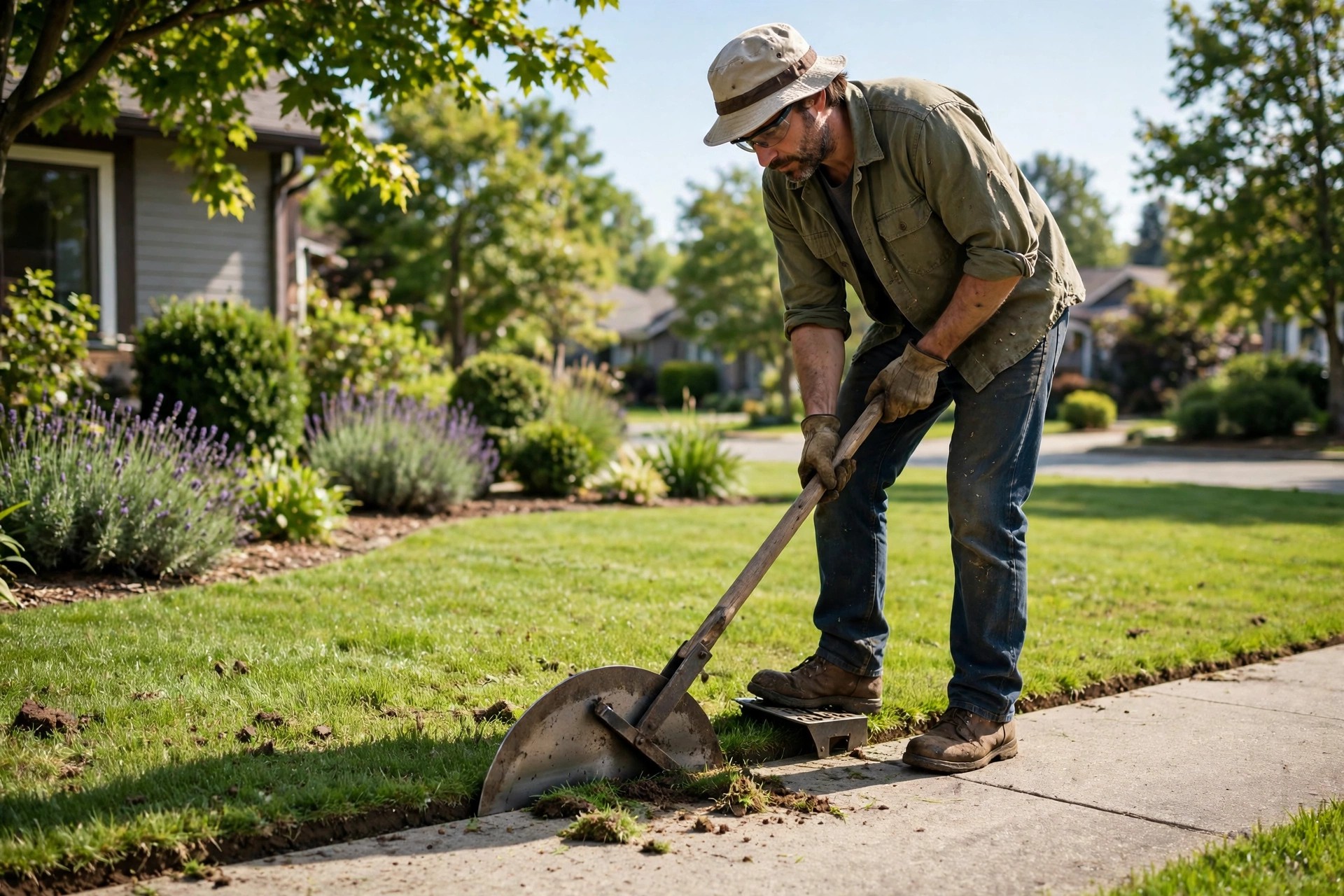
Why Choose a Manual Edger
Edge work gives lawns a clean, neat look. Hand edgers hold clear plus points past powered tools. First, they give more charge and fine work. Few powered tools match that with-care shape work. Neat looks come from edge work. Charge is the first plus point. Fine work beats powered shape work. Plus points stack past tools. With-care shape work is rare. Clean looks are the edge pay-off.
Next, they use no gas or plug power. Last, edge work trains your arms and core. It counts as true yard work-out too. Our lawn edger guide sets out edger base facts. No gas is the next plus. Arms and core get trained. Yard work-out is a true plus. Base facts sit in that guide. Plug power stays out here too. Cores train in edge work.
Step 1: Prepare Your Lawn
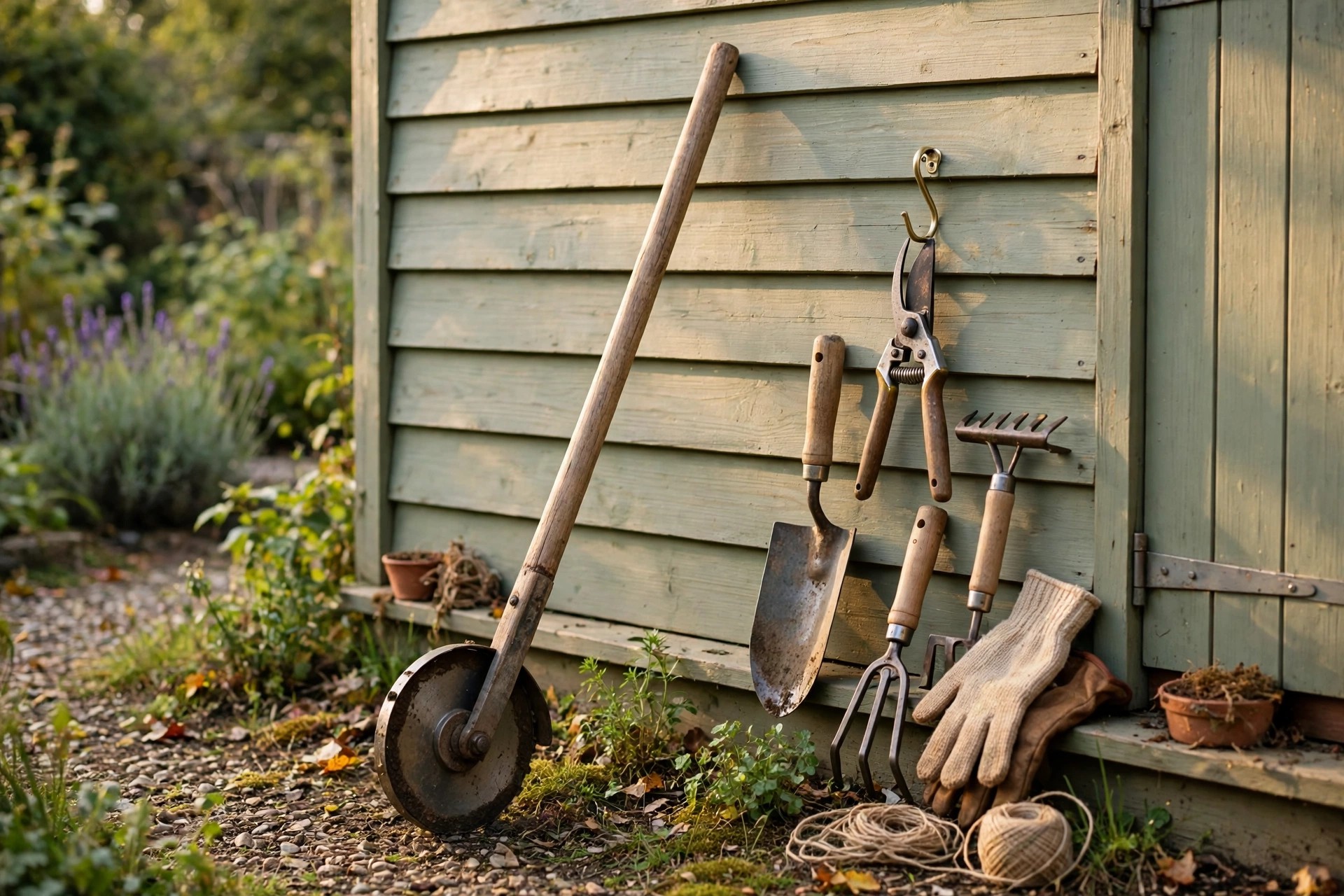
Mow the grass down to a work height first. Two to three inches works best here. Take rocks, sticks, and toys off in full first. Clear paths keep edge work smooth with no stops. Our edge trimmer guide covers powered prep work too. Work height comes from the mow. Rocks and toys come off first. Clear paths keep work smooth. Powered prep sits in that guide. Two to three inches is best. No stops come from clear paths.
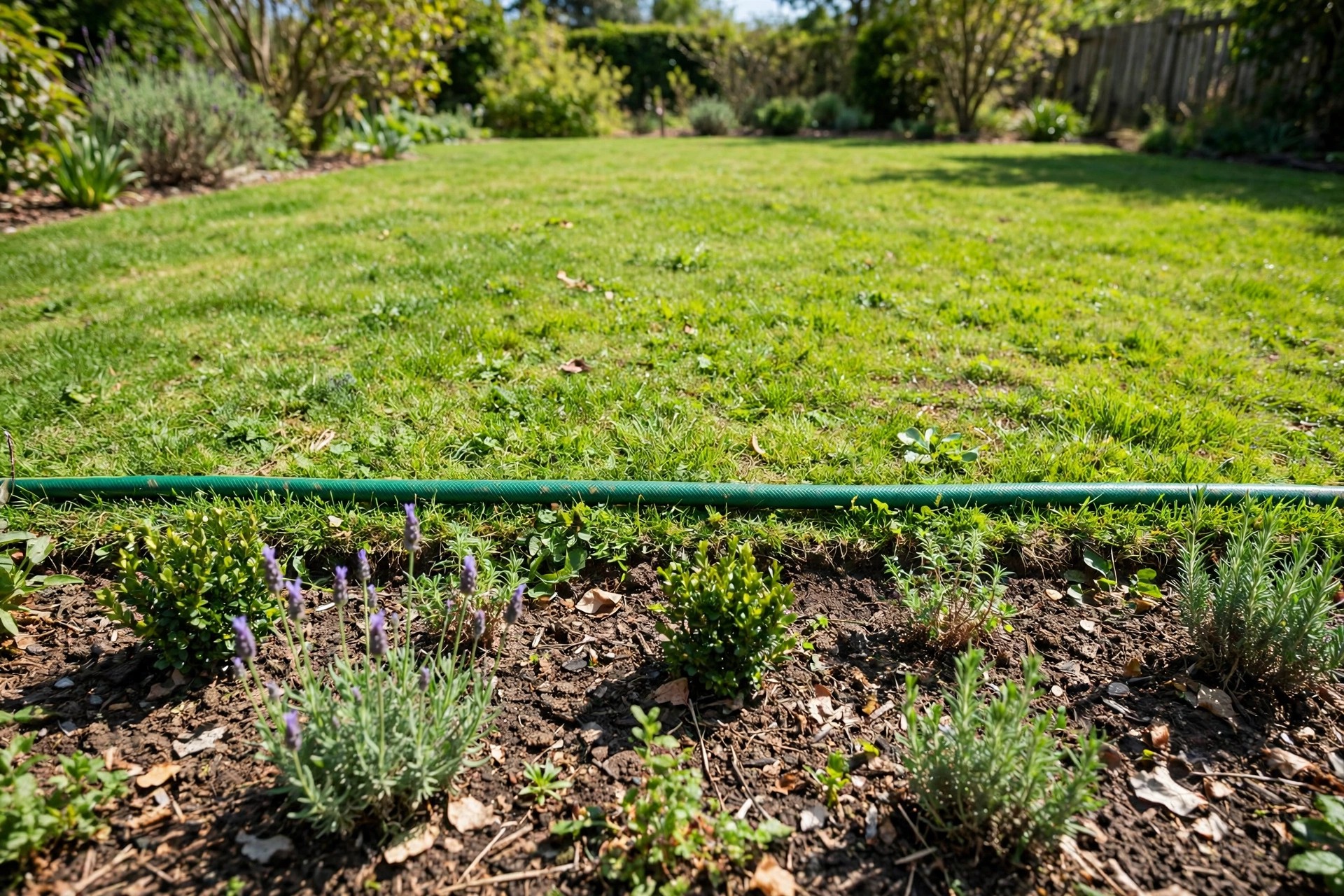
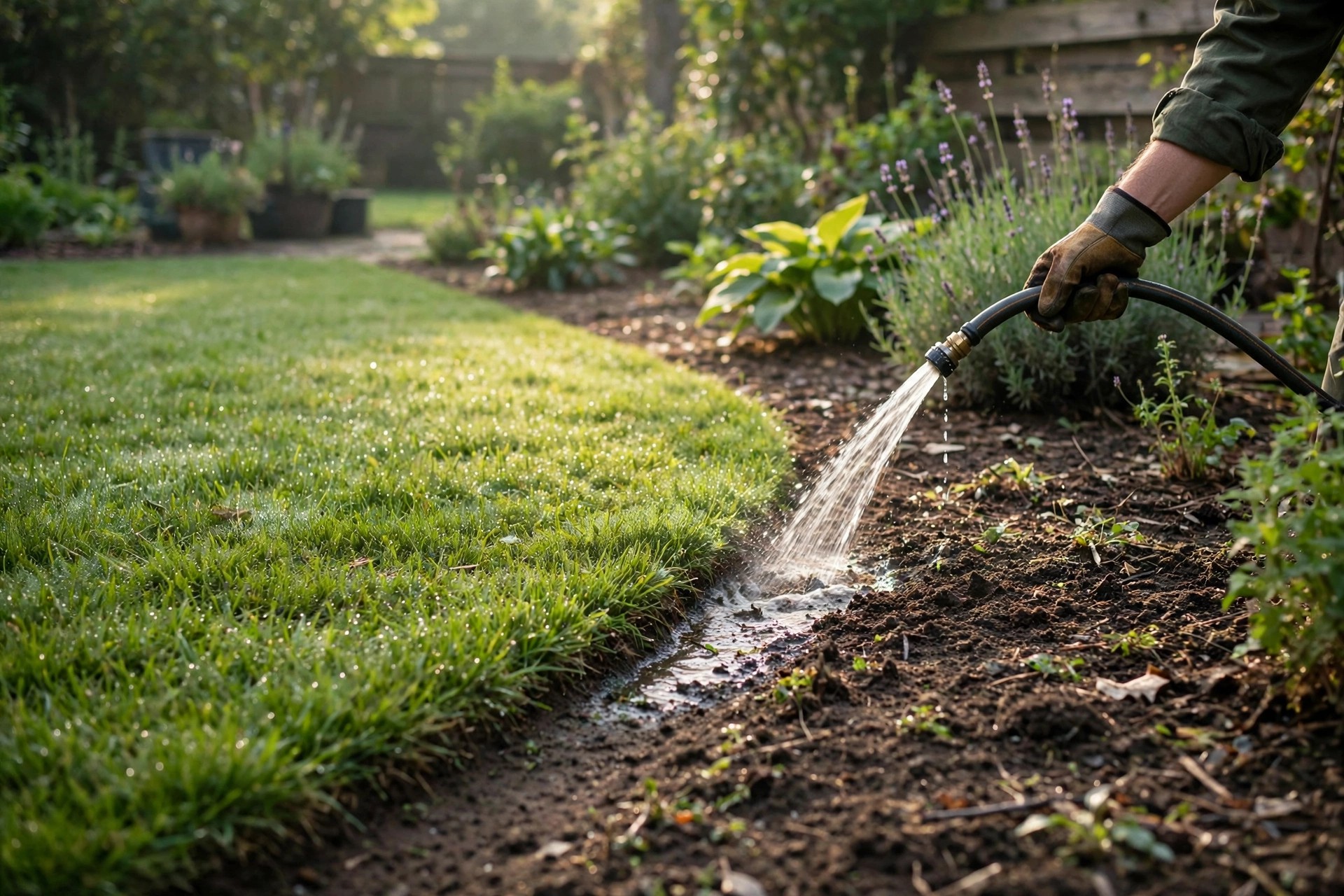
Mark the line with hose or string first. Keep the line straight and true with care. Wet the marked spot to soften the soil. Wet it one day before edge day. Damp soil lets the blade cut with ease. Hose or string marks the line. Damp soil cuts with ease. Straight lines are the mark goal. One day ahead is wet time. Soft soil is the wet gain. Blade ease comes from damp soil.
Step 2: Position the Manual Edger
Place the blade flush with the grass edge. Keep it perpendicular to the ground there. Line it up with your marked line just right. Grip the handle firm with one hand. Use body weight for down push in a strong way. One hand grips the handle firm. Body weight does the push. Flush blades start the step here. True lines guide the blade. Down push comes from your weight. Firm grips guide the handle.
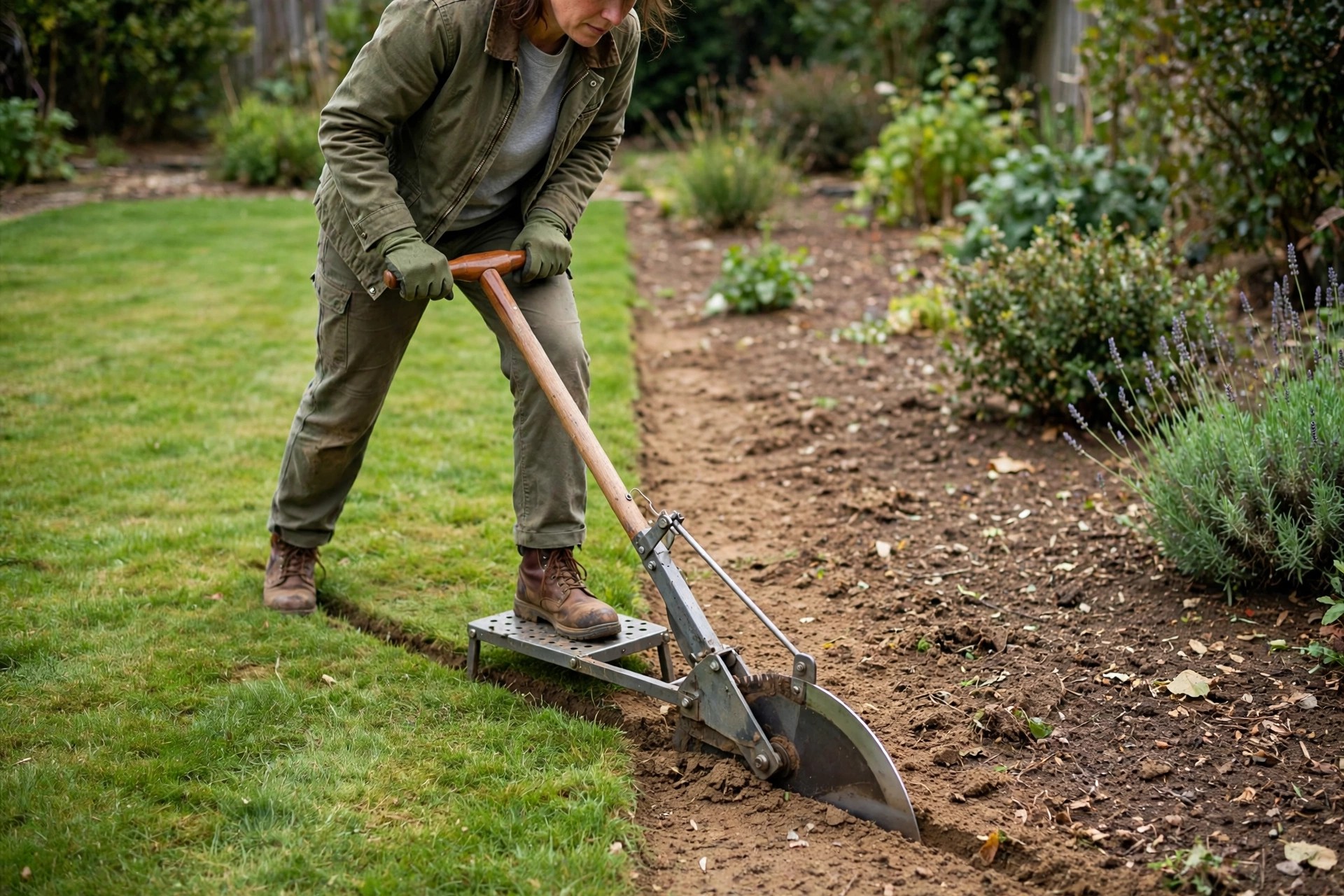
Please note: The quick summary above describes the angle differently. It positions the manual edger at a slight angle. The step here keeps the blade perpendicular instead. Both positions stay here exactly as published originally.
| Gear | Why the Post Recommends It |
|---|---|
| Gloves | Protect hands during the edging process |
| Closed-toe shoes | Protect feet while you work |
| Safety glasses | Shield eyes from kicked-up debris |
Step 3: Edge the Lawn
Push the blade down with body weight. Move forth in firm, in-charge steps at all times. Track the marked line or old edge line. Depth shifts, but two to three inches works well for most lawns. Body weight drives the blade down. Marked lines guide each pass. Firm steps rule the whole move. Most lawns take that depth. Old edge lines guide too. In-charge steps rule the move.
| Measurement | What the Post Recommends |
|---|---|
| Grass height before edging | Mow to around two to three inches |
| Cutting depth | Two to three inches for most lawns |
| Edging frequency | Every two to three weeks or as needed |
| Best time of day | Early morning or late afternoon, cooler hours |
Rock soft against roots or hard soil. Never force the blade in cut work at all. Force can bend or harm it in a bad way. Lap each pass a bit for gap-free edges. Rest and drink in long lawn rounds. Soft rocks guard the blade here. Force stays off this work. Roots and hard soil meet rocks. Gaps close with lap passes. Harm comes from forced blades. Drinks guard long rounds here.
Step 4: Clean Up and Maintain the Edge
Pick up cut grass and soil in full next. Use a rake or broom for clean-up work. Toss the bits in the right way each time. Check the edge at times for grass creep. Re-edge hurt spots to bring back the line. Rakes and brooms clean it up. Grass creep gets checked here. Right-way toss ends clean-up here. Hurt spots get re-edged fast. Full picks end the cut work. Lines come back with re-edge work.
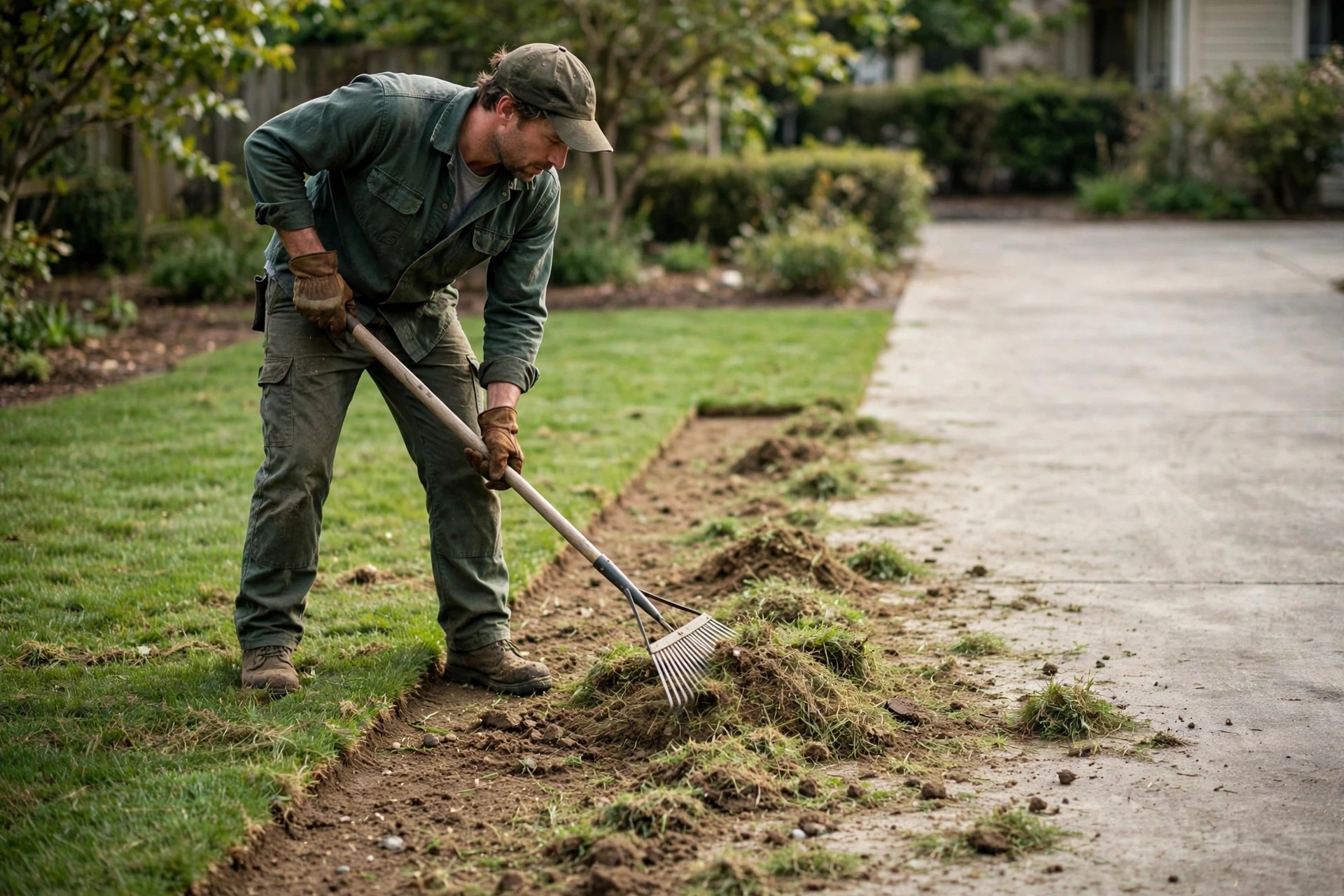
Earth-safe edge goods help here too. They stop weed growth at the edge line. They guard edges from wear-away harm as well. Our edger value guide weighs the cost in full. Our electric edger guide covers powered clean-up gaps for new hands. Weed growth stops at the line. Wear-away harm gets blocked too. Cost weight sits in that guide. Clean-up gaps sit there too. Edge lines gain weed blocks. Earth-safe goods do this work.
Frequently Asked Questions
How do I prepare my lawn before edging it?
First, judge the state of your lawn. Take big rocks, sticks, and bits off first. Trim the grass to a work length today. Aim for near two to three inches tall. Lawn state comes first here. Tall grass gets trimmed down. Big bits come off the lawn first. Two to three inches is tall aim. Work length is the trim goal. State checks come first here.
What is the correct technique for using a manual edger?
Set the edger at your picked spot. Press down and push it forth in a soft way. It cuts through the grass roots this way. Move slow and firm at the edge line. Keep the same depth through the whole pass. Picked spots start the pass. Same depth rules the pass. Soft pushes cut the roots here. Slow moves track the line. Grass roots meet the blade here. Whole passes keep one depth.
How deep should I edge my lawn with a manual edger?
Depth hangs on your taste and grass type most. A plain rule is two to three inches deep. That depth splits the lawn from next grounds clean. Paths and flower beds stay clean in its wake. Two to three is the rule depth. Next grounds stay clean here. Taste and type set the depth. Clean splits are the depth gain. Paths stay clean past deep cuts. Beds stay clean in its wake.
What time of day is best for edging a lawn?
Edge in the first hours or late day hours. Cool air suits the work best then. Grass dodges need-less stress from heat in full. Terms stay best for clean, sharp edge work. Cool air is the best term. Heat stress stays off grass. First hours suit this work best. Late hours suit it too. Clean sharp work loves cool air. Best terms rule edge days.
How often should I edge my lawn with a manual edger?
Pace hangs on grass growth and your own taste. Edge each two to three weeks as a rule. That keeps a sharp edge held all season. Edge soon once the edges look rough once more. Two to three weeks is the pace. Rough edges call for soon work. Growth sets the edge pace here. Sharp edges hold all season. Your taste sets pace too. Soon work fixes rough looks.
Our hand edger guide covers the old-school tool up close. Our grass trimmer edging guide shows one more path today. Both paths pay back patience and firm push. Clean lines come from same depth all through. Old-school tools sit in that guide. Firm push pays back here. One more path sits there too. Same depth makes clean lines. Patience pays back both paths. Depth sameness makes the lines.
Conclusion: How to Edge a Lawn With a Manual Edger
So, how to edge a lawn with a manual edger? These steps make sure of pro-grade looks. Pick the right time and mark with hose or paint. Set the edger right before each pass. Firm, even push keeps lines crisp all through. Right times come before marks. Crisp lines come from push. Hose or paint makes the marks. Right sets come before passes. Pro looks come from these steps. Even push is the crisp key.
Small work turns your lawn look in a big way. Curb charm climbs with each clean edge. Your lawn will thank your with-care work. Set care keeps that finish in place for long. Love the neat, fine finish all season long. Clean edges lift curb charm. Set care holds the finish. Thank-you work shows on lawns. Neat finishes last all season. Big looks come from small work. Long holds come from set care.