Stray nose hairs can be a bother, and not everyone has an electric trimmer on hand. Whether you’re traveling, in a pinch, or simply prefer manual methods, there are alternative ways to keep those pesky hairs in check.In this blog, we’ll explore alternative methods for trimming nose hair without relying on an electric trimmer. Whether you’re a seasoned pro or new to the world of grooming, we’ve got you covered with practical tips and techniques to help you achieve a well-groomed appearance. So, sit back, relax, and get ready to learn some handy nose hair trimming tricks!
If you don’t have an electric trimmer, follow these steps to trim your nose hair:
- Gently clean your nostrils with a damp cloth.
- Use small, rounded scissors or nail clippers with curved edges to trim the visible nose hair.
- Be cautious and trim a little at a time to avoid cutting too much.
- After trimming, rinse your nose with water to remove any loose hair.
- Moisturize your nose with a small amount of petroleum jelly or moisturizing cream.

Source: quoracdn.net
How to Trim Nose Hair Without an Electric Trimmer? Electric-Free Grooming
Trimming nose hair is an essential grooming routine that helps maintain hygiene and appearance. While electric trimmers are commonly used for this purpose, there are situations when you may not have access to one. In such cases, it is important to know alternative methods to effectively trim nose hair. This article will guide you through step-by-step instructions on how to trim nose hair without an electric trimmer.
Step 1: Gather the Necessary Tools
Before starting the nose hair trimming process, it is important to gather the necessary tools. You will need a pair of small, sharp scissors specifically designed for grooming purposes. Make sure the scissors are clean and sterilized to avoid any infections. Additionally, prepare a mirror and a well-lit area to ensure proper visibility during the trimming process.
Step 2: Prepare Your Nose and Scissors
Prior to trimming, it is crucial to clean your nose area. Gently wash the inside of your nostrils with warm water and mild soap to remove any dirt or debris. Dry your nose thoroughly with a clean towel. Next, sterilize the scissors by wiping the blades with rubbing alcohol or using boiling water. This will minimize the risk of introducing bacteria into your nose.
Step 3: Position Yourself and Start Trimming
Find a comfortable and well-lit spot where you can easily access your nose. Stand in front of a mirror or use a handheld mirror to get a clear view of your nostrils. Hold the scissors using a comfortable and firm grip. Slowly insert the scissors into your nostril, being careful not to go too deep. Trim the visible nose hairs by cutting them in a straight line. It is important to be cautious and trim only the visible hairs, avoiding any excessive cutting to prevent irritation or injury.
Step 4: Repeat the Process for the Other Nostril
After successfully trimming one nostril, repeat the same process for the other nostril. Ensure that you maintain the same level of caution and precision throughout the trimming process. Take breaks if necessary to give your nose a rest and avoid any discomfort or strain.
Step 5: Cleanse and Moisturize
Once you have finished trimming both nostrils, it is important to cleanse the area again. Use a mild soap and warm water to gently wash your nose. Rinse thoroughly and pat dry with a clean towel. Apply a small amount of moisturizer or aloe vera gel to soothe the skin and reduce any potential irritation.
Step 6: Maintain Regular Trimming
Trimming nose hair is not a one-time task. It is important to maintain regular trimming to keep your nose clean and well-groomed. Depending on your hair growth rate, you may need to trim every few weeks or as needed. Pay attention to any discomfort, itching, or excessive hair growth, as these may indicate the need for more frequent trimming.
Step 7: Clean and Store Your Tools
After completing the trimming process, make sure to clean and sterilize your scissors again. Use rubbing alcohol or boiling water to disinfect the blades. Store the scissors in a clean and dry place, away from moisture or dust. This will ensure that your tools remain hygienic and ready for future use.
Step 8: Consider Alternative Hair Removal Methods
If you find trimming nose hair with scissors challenging or uncomfortable, consider alternative hair removal methods. There are various options available, including nose hair trimmers, manual rotary trimmers, and even waxing or laser treatments. Research and choose a method that best suits your preferences and needs.
Step 9: Seek Professional Help if Needed
If you are unsure about trimming your nose hair or experience any difficulties, it is always a good idea to seek professional help. A trained barber or a grooming specialist can provide expert guidance and ensure a safe and effective nose hair trimming experience.
Step 10: Maintain Overall Hygiene and Grooming
Trimming nose hair is just one aspect of overall hygiene and grooming. Remember to maintain regular grooming habits, including trimming facial hair, washing your face daily, and practicing good skincare. These habits will contribute to a well-groomed appearance and overall confidence.
Frequently Asked Questions
Here are some common questions about trimming nose hair without an electric trimmer.
Can I trim my nose hair without an electric trimmer?
Yes, you can trim your nose hair without an electric trimmer. There are manual trimming tools available such as nose hair scissors or manual nose hair trimmers. These tools are designed specifically for trimming nose hair and can be used safely and effectively.
When using manual trimming tools, it is important to be cautious and gentle to avoid any injury or discomfort. Make sure to clean the tools before and after use to maintain hygiene.
How do I trim my nose hair with scissors?
To trim your nose hair with scissors, start by cleaning your nose and the scissors with warm water and soap. Gently insert the rounded tip of the scissors into your nostril and carefully trim the visible nose hair. It is important to trim only the hair that is visible outside the nose and avoid going too deep into the nostril.
Take your time and use small, controlled movements to ensure accurate trimming. Remember to be cautious and avoid any sudden movements to prevent any accidental cuts or injuries.
Are manual nose hair trimmers safe to use?
Yes, manual nose hair trimmers are safe to use when used correctly. These trimmers are designed with rounded tips and guards to prevent any accidental cuts or injuries to the delicate nasal area. However, it is still important to exercise caution and follow the instructions provided by the manufacturer.
Always make sure to clean the trimmer after each use and store it in a safe place. If you have any concerns or experience any discomfort while using a manual nose hair trimmer, it is recommended to consult a healthcare professional.
How often should I trim my nose hair?
The frequency of nose hair trimming varies from person to person. Some individuals may need to trim their nose hair more frequently than others. As a general guideline, it is recommended to trim your nose hair once every two to four weeks, or as needed.
Keep in mind that nose hair serves as a natural filter for dust, allergens, and bacteria, so it is important not to completely remove all the hair. Regular maintenance and trimming will help to keep your nose hair at a manageable length without compromising its protective function.
Are there any alternative methods for trimming nose hair without an electric trimmer?
Yes, if you do not have access to an electric trimmer or manual trimming tools, there are alternative methods for trimming nose hair. One method is using small grooming scissors with rounded tips. Another option is using a nose hair trimmer attachment that can be attached to a regular electric shaver or trimmer.
However, it is important to exercise caution and be gentle when using these alternative methods to avoid any accidental cuts or injuries. It is also recommended to clean the tools before and after use to maintain proper hygiene.
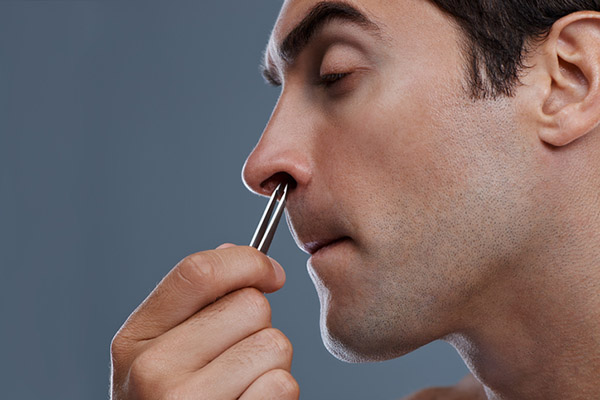
Source: artofmanliness.com
Final Words:
In conclusion, learning how to trim nose hair without an electric trimmer is not only practical but also a useful skill to have. By following the simple steps and utilizing readily available tools, you can effectively manage your nose hair grooming routine. Remember, it’s important to prioritize safety and hygiene throughout the process.
With a little patience and practice, you can confidently maintain well-groomed nose hair without relying on an electric trimmer. Embrace this alternative method as a cost-effective and convenient solution, especially when you find yourself without access to your usual grooming tools. So, take the time to master this skill and ensure that you always look your best, even in situations where an electric trimmer is not readily available. Your nose hair grooming routine will thank you!