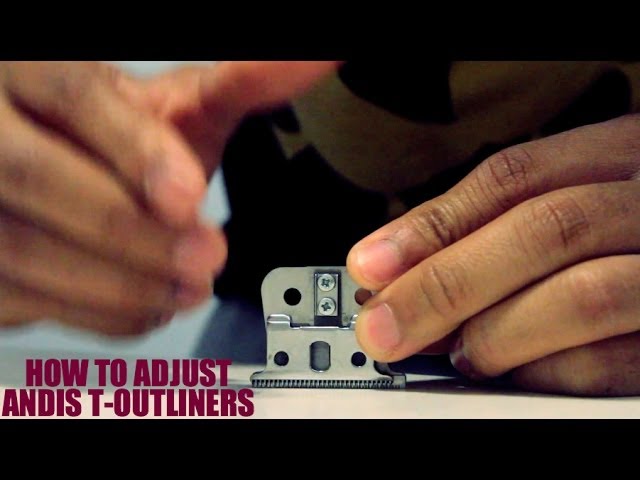
Are you tired of struggling with your Andis trimmer blade? Do you find it difficult to get that perfect cut or trim for your hair or beard? Look no further, as we have the ultimate guide on how to adjust your Andis trimmer blade to achieve the desired results. Whether you’re a professional barber or just someone who likes to take care of their grooming at home, understanding how to properly adjust your trimmer blade is essential for achieving precise and clean cuts. In this comprehensive guide, we will walk you through the step-by-step process, providing you with the knowledge and skills to master the art of trimming with your Andis trimmer.
First, it’s important to understand the significance of blade adjustment. A well-adjusted blade ensures that the cutting edge is aligned correctly, allowing for efficient and effortless trimming. If your blade is misaligned, you may experience uneven cuts, pulling of hair, or even discomfort during the trimming process.
However, by following our expert tips and techniques, you’ll learn how to properly adjust the blade alignment, tension, and height to achieve optimal performance from your Andis trimmer. So, whether you’re a novice or a seasoned professional, get ready to elevate your grooming game and achieve the perfect trim every time with our comprehensive guide on adjusting your Andis trimmer blade.
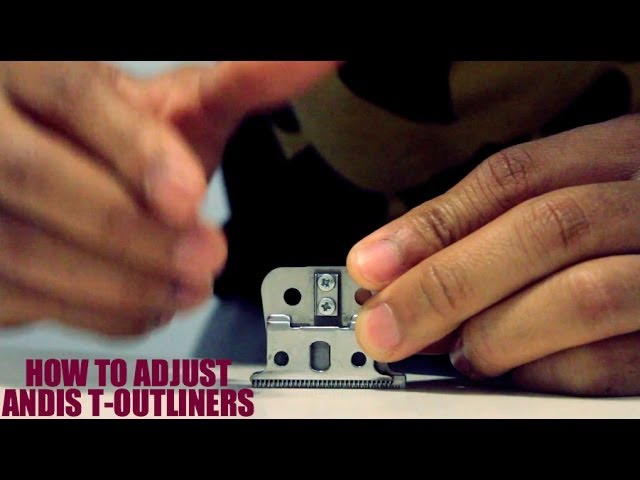
Source: ytimg.com
How to Adjust Andis Trimmer Blade
Andis trimmers are a popular choice for professional barbers and hairstylists due to their precision and durability. However, over time, the trimmer blade may become misaligned, resulting in uneven cuts or potential skin irritation. To ensure optimal performance, it’s important to know how to properly adjust the Andis trimmer blade. In this guide, we will walk you through the step-by-step process of adjusting the blade for a smooth and precise cut.
Step 1: Gather the necessary tools
Before you begin adjusting the Andis trimmer blade, make sure you have the following tools on hand:
- Screwdriver (usually a flathead or Phillips, depending on the model)
- Blade oil or lubricant
- Soft cloth or brush for cleaning
Having these tools readily available will help ensure a smooth and efficient adjustment process.
Step 2: Prepare the trimmer
Before you start adjusting the blade, it’s important to properly clean and prepare the trimmer. Begin by unplugging the trimmer from the power source to ensure safety. Use a soft cloth or brush to remove any hair or debris from the blade and trimmer body. This will prevent any interference during the adjustment process and help maintain the trimmer’s longevity.
Once the trimmer is clean, apply a few drops of blade oil or lubricant to the blade. This will help reduce friction and ensure a smooth adjustment. Spread the oil evenly across the blade surface using a clean cloth or your finger.
Step 3: Adjust the blade tension
Now that the trimmer is clean and lubricated, it’s time to adjust the blade tension. Locate the screws on the side of the trimmer that hold the blade in place. Depending on the model, you might find one or two screws.
Using the appropriate screwdriver, carefully loosen the screws just enough to allow the blade to move freely. Be cautious not to loosen them too much, as this may result in the blade falling out. Once the screws are loosened, turn on the trimmer and let it run for a few seconds. This will help distribute the oil and allow you to observe any misalignment.
With the trimmer still running, gently push the blade against your finger or a piece of paper. The blade should make light contact without causing discomfort. If the blade is too loose, tighten the screws slightly. If it’s too tight, loosen the screws a bit more. Repeat this process until the blade is properly aligned and glides smoothly without any resistance.
Step 4: Test and fine-tune
After adjusting the blade tension, it’s important to test the trimmer to ensure optimal performance. Turn on the trimmer and make a few test cuts on a small section of hair. Pay attention to the smoothness and evenness of the cut. If the trimmer still seems to be pulling or snagging the hair, you may need to further adjust the blade tension.
Repeat step 3, making small adjustments until the trimmer cuts smoothly and effortlessly. Remember to tighten the screws slightly if the blade is too loose or loosen them slightly if it’s too tight. Take your time and make incremental changes to achieve the desired blade tension.
By following these steps, you can easily adjust the Andis trimmer blade for optimal performance. Regular maintenance and adjustment will not only ensure a smooth and precise cut but also prolong the lifespan of your trimmer. Remember to clean and lubricate the blade regularly, and always exercise caution when working with sharp objects.
Frequently Asked Questions
Here are some commonly asked questions about how to adjust Andis trimmer blades:
How do I adjust the blade on my Andis trimmer?
To adjust the blade on your Andis trimmer, follow these steps:
Firstly, make sure the trimmer is turned off and unplugged. Then, remove the blade by unscrewing the screws that hold it in place. Next, adjust the blade by turning the adjustment screw either clockwise or counterclockwise, depending on the desired cutting length. Finally, reattach the blade by screwing it back into place and make sure it is secure before turning on the trimmer again.
What should I do if the blade on my Andis trimmer is not cutting properly?
If the blade on your Andis trimmer is not cutting properly, there are a few steps you can take to fix the issue. First, make sure the blade is clean and free of any debris or hair buildup. Use a small brush or toothbrush to remove any dirt or hair from the blade. Additionally, check if the blade is properly aligned and adjusted. If it is misaligned, adjust it according to the manufacturer’s instructions. If these steps do not solve the problem, it may be necessary to replace the blade with a new one.
How often should I adjust the blade on my Andis trimmer?
The frequency of blade adjustments for your Andis trimmer will depend on how often you use it and the type of hair you are cutting. As a general rule, it is recommended to check and adjust the blade every few weeks or whenever you notice a decrease in cutting performance. Regular maintenance and blade adjustments will ensure optimal cutting performance and prolong the lifespan of your trimmer.
Can I use any type of blade on my Andis trimmer?
Andis trimmers are designed to be used with specific blades that are compatible with the model you own. It is important to use the correct type of blade recommended by the manufacturer to ensure proper fit and performance. Using incompatible blades can result in poor cutting performance, damage to the trimmer, or even personal injury. Always refer to the user manual or consult with the manufacturer to determine which blades are compatible with your Andis trimmer.
Why is it important to adjust the blade on my Andis trimmer?
Adjusting the blade on your Andis trimmer is important for several reasons. Firstly, it ensures that the blade is properly aligned, which results in a clean and precise cut. A misaligned blade can cause uneven cutting, pulling of hair, or discomfort for the person being trimmed. Secondly, regular blade adjustments help to maintain the cutting performance of the trimmer. Over time, blades can become dull or misaligned, leading to a decrease in cutting efficiency. By adjusting the blade, you can restore optimal cutting performance and extend the lifespan of your trimmer.
Final Verdicts:
In conclusion, learning how to adjust the Andis trimmer blade is an essential skill for any professional groomer or even for pet owners who prefer to groom their furry friends at home. By following the step-by-step instructions provided in this guide, you can ensure that your trimmer is always in optimal condition, allowing for precise and efficient grooming sessions.
Remember, proper maintenance and adjustment of the trimmer blade is crucial for achieving the desired results. Regularly inspecting and cleaning the blade, as well as ensuring the correct tension, will not only prolong the lifespan of your trimmer but also guarantee a smoother and safer grooming experience for both you and your pet.
So, take the time to familiarize yourself with the adjustment process and make it a regular part of your grooming routine. Your pets will thank you for the extra care and attention, and you can enjoy the satisfaction of a job well done!