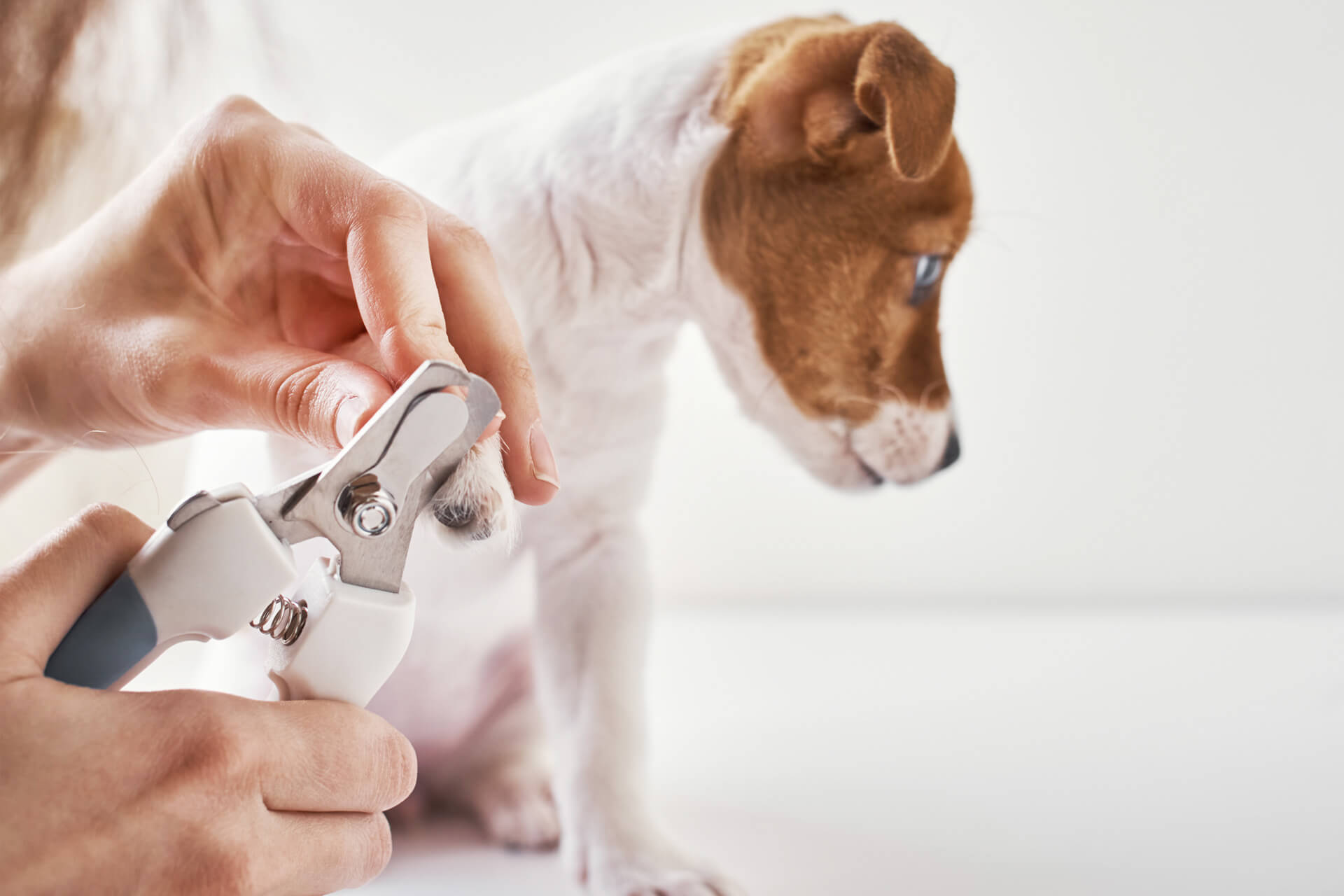
A dog nail trimmer is a tool used to safely and efficiently trim a dog’s nails. It helps prevent nail overgrowth and potential health problems for dogs.
Keeping your dog’s nails properly trimmed is essential for their overall health and well-being. Long nails can cause discomfort and pain for your furry friend, leading to difficulty walking and potential joint issues. A dog nail trimmer is designed to safely and easily trim your dog’s nails, ensuring they are kept at a healthy length.
Using a dog nail trimmer can be a daunting task for many pet owners, but with the right techniques and tools, it can be a quick and stress-free process. There are various types of dog nail trimmers available, including guillotine-style trimmers, scissor-style trimmers, and grinder-style trimmers. Each type has its own advantages and disadvantages, so it’s important to choose the one that suits you and your dog’s needs.
We will explore the different types of dog nail trimmers available, discuss their pros and cons, and provide tips on how to properly use them. By the end, you will have a better understanding of dog nail trimmers and feel confident in keeping your dog’s nails healthy and well-maintained.
What Is A Dog Nail Trimmer And Why Is It Important For Grooming?
Regular nail trimming is an important aspect of dog grooming. Overgrown nails can negatively affect a dog’s health and well-being. When nails grow too long, they can cause discomfort and pain, making it difficult for the dog to walk or run properly.
Furthermore, long nails can lead to joint issues, as it alters the dog’s posture and gait. They can also cause the nails to break or split, which can be painful and may result in infection.
Using a dog nail trimmer is a safe and effective way to keep your pet’s nails at a healthy length. Nail trimmers come in different types, such as guillotine-style, scissor-style, and grinder-style. It is important to choose the one that works best for you and your dog.
Regular nail trimming should be part of your dog’s grooming routine, ensuring their comfort and preventing any potential health issues.
| Benefits of regular nail trimming: |
| – Promotes proper posture and gait |
| – Reduces discomfort and pain |
| – Prevents nail breakage and infections |
Different Types Of Dog Nail Trimmers
Different types of dog nail trimmers include guillotine-style, scissor-style, and grinder-style nail trimmers. Guillotine-style nail trimmers are designed with a hole where you place your dog’s nail and a blade that cuts the nail when you squeeze the handle. These trimmers are best for small to medium-sized dogs.
Scissor-style nail trimmers are similar to regular scissors but with a special curved or angled blade that helps to safely trim your dog’s nails. They provide precise and controlled cutting, making them suitable for medium to large dogs.
Grinder-style nail trimmers come with a rotating grinding head that files down the nail instead of cutting it. These trimmers are a good option for dogs who are sensitive to the cutting sensation or have dark nails where it’s difficult to see the quick. However, they may take longer to use compared to other types of trimmers.
How To Choose The Right Dog Nail Trimmer For Your Pet
Choosing the right dog nail trimmer is essential to ensure the safety and comfort of your pet. When selecting a nail trimmer, it’s important to consider the size and breed of your dog. Small dogs may require smaller trimmers with precision blades, while larger dogs may need heavy-duty trimmers with stronger clippers.
Additionally, some breeds have thicker nails, so opting for a trimmer with adjustable cutting settings may be beneficial. It is also crucial to choose a trimmer that is comfortable to hold and easy to maneuver.
Look for ergonomic handles and non-slip grips to prevent accidental slips and injuries. Taking these considerations into account will help you find the perfect nail trimmer for your furry friend’s needs.
| Size of Dog | Recommended Nail Trimmer |
|---|---|
| Small dogs | Precision trimmers with small blades |
| Large dogs | Heavy-duty trimmers with strong clippers |
| Breeds with thick nails | Trimmers with adjustable cutting settings |
Preparing Your Dog For Nail Trimming
Preparing your dog for nail trimming is essential for their overall well-being. A dog nail trimmer is a tool specifically designed to safely and effectively trim your pet’s nails, preventing discomfort and potential injuries. It is important to introduce your dog to the trimmer gradually and use positive reinforcement techniques to make the experience stress-free for both of you.
Acclimating your dog to the nail trimming process is an essential step in ensuring a successful and stress-free experience for both you and your furry friend. Introduce your dog to the nail trimmer gradually to help them feel comfortable and at ease.
Start by simply allowing them to sniff and investigate the trimmer without any actual trimming. Reward them with treats and praise for positive behavior and gradually progress to touching their paws and nails with the trimmer.
It’s important to have the necessary tools and supplies for a successful nail trimming session. This includes a quality nail trimmer specifically designed for dogs, styptic powder to stop bleeding in case of accidental cuts, and a dog-friendly nail file for smoothing rough edges.
Ensure that your trimmer is sharp, as dull blades can cause discomfort and uneven cuts. Take your time, be patient, and always prioritize your dog’s safety and well-being during the nail trimming process.
Trimming Your Dog’s Nails With A Guillotine-style Trimmer
Using a guillotine-style dog nail trimmer is one of the most common methods for trimming a dog’s nails. It is important to position your dog properly during the trimming process to ensure their safety and minimize any potential discomfort.
When using a guillotine-style trimmer, make sure to hold your dog’s paw firmly but gently, providing a steady grip. Carefully slot the nail into the opening of the trimmer, ensuring you do not cut too close to the quick – the sensitive inner part of the nail that contains blood vessels and nerves.
Trimming too close to the quick can cause bleeding and pain for your dog, so it’s crucial to maintain a safe distance. Take small snips rather than cutting the entire nail at once, to avoid accidental injury.
If you accidentally cut into the quick, be prepared for a bit of bleeding, and it is recommended to have styptic powder or cornstarch on hand to stop the bleeding quickly. Regularly trimming your dog’s nails can prevent complications, such as ingrown nails or difficulty walking, so it’s important to make it a part of their grooming routine.

Credit: www.amazon.com
Trimmming Your Dog’s Nails With A Scissor-style Trimmer
Trimming your dog’s nails is an important part of their grooming routine. Using a scissor-style nail trimmer can help you achieve effective trimming results. When using this type of trimmer, it is crucial to approach it at the correct angle to ensure a clean cut.
To begin, make sure your dog is comfortable and relaxed. Choose a well-lit area where you have good visibility of your dog’s nails. Gently hold your dog’s paw and locate the nail you want to trim. Insert the trimmer at a slight angle, avoiding the quick, which is the sensitive part of the nail. Slowly and carefully trim a small portion of the nail, making sure not to cut too close to the quick.
Accidental injury can happen during nail trimming, so it’s important to exercise caution. If your dog becomes stressed or anxious, take a break and continue the trimming session later. In case you accidentally cut the quick, have styptic powder or cornstarch on hand to help stop the bleeding.
Using A Grinder-style Trimmer To Trim Your Dog’s Nails
Grinder-style trimmers are increasingly popular tools for keeping your dog’s nails trimmed and maintained. There are several benefits and drawbacks to using a grinder-style trimmer that you should consider:
| Benefits | Drawbacks |
|---|---|
| – Safe and gentle: Grinder-style trimmers are designed to slowly grind down the nail, reducing the risk of accidentally cutting the quick. | – Noise and vibrations: Some dogs may be sensitive to the sounds and vibrations produced by grinder-style trimmers, causing them to become anxious or fearful. |
| – Precise trimming: The grinding motion allows for more control and precision, ensuring that you can trim the nails to the desired length. | – Learning curve: It may take some time for both you and your dog to become comfortable with using a grinder-style trimmer. |
| – Versatility: Grinder-style trimmers can be used on dogs of all sizes and nail types. | – Power source required: Most grinder-style trimmers require electricity, so you will need access to an outlet or use a rechargeable battery. |
When using a grinder-style trimmer, there are a few technical aspects and safety precautions to keep in mind:
- Choose the right grinder: Look for a grinder with adjustable speed and various grinding attachments to suit your dog’s nail size and thickness.
- Get your dog comfortable: Introduce the grinder slowly to your dog, allowing them to sniff and investigate it before attempting to trim their nails.
- Monitor heat buildup: Grinding can generate heat, so make sure to take breaks and avoid holding the grinder in one spot for too long to prevent discomfort or injury.
- Trim gradually: Take small amounts off the nail at a time to avoid cutting into the quick.
- Have styptic powder on hand: In case of any accidental bleeding, applying styptic powder can help to stop the bleeding.
Ensuring A Positive Experience For Your Dog
A positive experience during nail trimming is crucial for your dog’s overall well-being. To reduce anxiety and stress, there are several steps you can take. Firstly, make sure to introduce the nail trimmer to your dog gradually, allowing them to sniff and become familiar with it.
This helps minimize any fear or apprehension. Secondly, maintaining a calm environment is key. Find a quiet and peaceful space where your dog feels comfortable. If your dog is particularly anxious, consider using calming techniques such as playing soft music or using essential oils.
Additionally, it’s important to handle your dog’s paws gently and speak soothingly throughout the process. Rewarding your dog after a successful nail trimming session with treats, praise, or playtime will create a positive association and make future sessions easier. Remember, a positive experience is essential for your dog’s nail trimming routine.
Dealing With Common Issues During Nail Trimming
Trimming a dog’s nails can be a challenging task, especially when dealing with common issues. One of the difficulties that pet owners may encounter is trimming dark-colored nails. It can be tricky to see the quick, the sensitive part of the nail, which makes it essential to proceed with caution and take it slow. Make sure you have a good source of lighting to help you visualize the quick, and if needed, use a flashlight or headlamp to see better.
Another issue that pet owners may face is resistance and fear in dogs during the nail trimming process. It’s essential to create a positive association with nail trimming by providing reward treats and praising your dog’s good behavior. Patience is key; take breaks if needed and always end on a positive note.
Remember, regular nail trimming is crucial for your dog’s overall health and well-being. Seeking the assistance of a professional dog groomer or veterinarian can be beneficial, especially if you feel overwhelmed or unsure of the process.
Knowing When To Seek Professional Help
Understanding the importance of regular check-ups and maintenance:
- Regular maintenance of your dog’s nails is essential to keep them healthy and comfortable. Overgrown nails can cause pain, discomfort, and even lead to infections.
- Recognizing signs that your dog may need professional help is crucial. If you notice your dog’s nails are overly long, curved, or causing difficulty with walking, it may be time to seek professional assistance.
- A professional groomer or veterinarian will have the necessary tools and expertise to trim your dog’s nails safely.
- They can also inspect for any signs of infection, such as redness, swelling, or discharge.
- Regular visits to a professional can prevent any potential nail-related issues from escalating and ensure your dog’s overall well-being.
- Additionally, a professional can provide guidance on nail care, including techniques for at-home maintenance between visits.
Frequently Asked Questions On What Is A Dog Nail Trimmer
What Is A Dog Nail Trimmer?
A dog nail trimmer is a tool used to safely and carefully trim your dog’s nails. It is designed specifically for dogs and helps prevent overgrowth, splitting, and cracking of nails. Regular trimming is important for the comfort and health of your dog.
How Does A Dog Nail Trimmer Work?
A dog nail trimmer typically has a sharp cutting edge or a rotating grinder that trims the nails. The cutting edge or grinder is carefully positioned to avoid cutting into the quick, which is the sensitive part of the nail.
Trimming should be done in small increments to avoid causing any discomfort to your dog.
Why Is It Important To Trim A Dog’s Nails?
Trimming a dog’s nails is important for several reasons. Overgrown nails can lead to discomfort, pain, and even deformity in your dog’s feet. It can also cause difficulties in walking or running. Regular nail trims help prevent these issues and promote good foot health for your dog.
How Often Should I Trim My Dog’s Nails?
The frequency of nail trims depends on your dog’s activity level and the type of surface they walk on. Generally, it is recommended to trim your dog’s nails every 4-6 weeks. However, some dogs may require more frequent trims, while others may need less frequent trims.
Regularly check your dog’s nails and trim when needed.
Conclusion
Ultimately, a dog nail trimmer is an essential tool for pet owners to keep their furry companions’ nails in check. Regular nail trimming not only promotes good hygiene but also prevents discomfort and potential injuries. By investing in a quality nail trimmer and learning how to use it correctly, pet owners can effectively maintain their dog’s overall health and well-being.
Remember, keeping your dog’s nails in good condition is a small yet significant part of responsible pet ownership. So, take the necessary steps to ensure your furry friend’s paws are always happy and healthy.