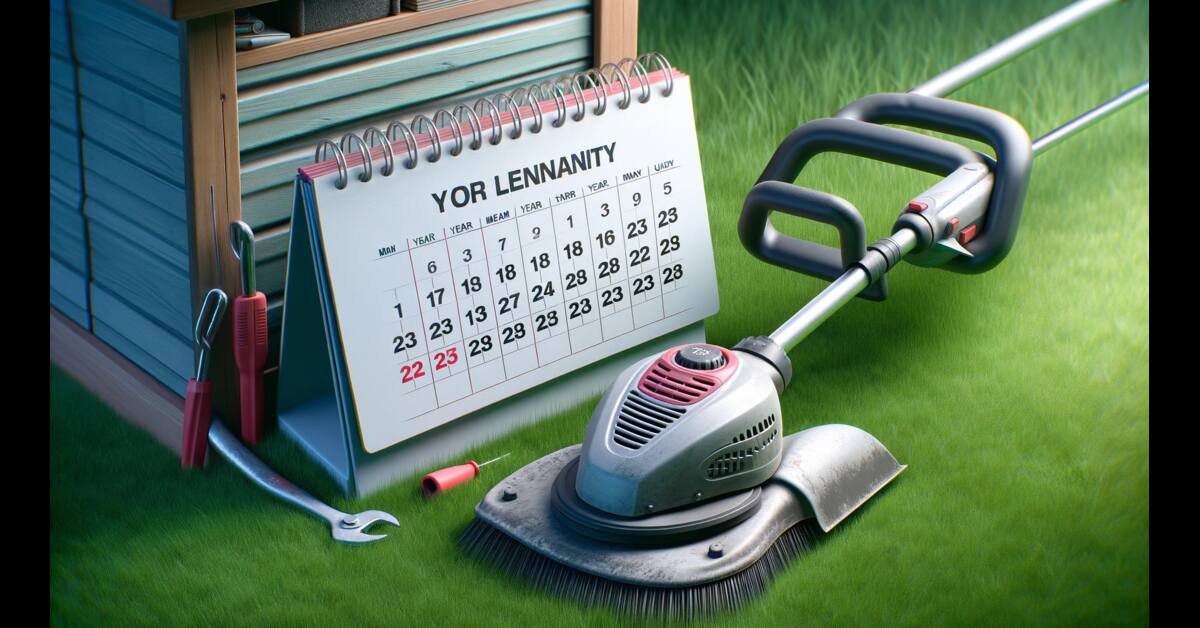
A string trimmer should last anywhere between 5 to 10 years, depending on usage and maintenance. String trimmers, also known as weed eaters or weed whackers, are durable outdoor power tools designed to withstand regular use in cutting and trimming grass and weeds.
With proper care and maintenance, a quality string trimmer can provide reliable performance for several years. However, factors such as frequency of use, type of terrain, and quality of the trimmer itself can impact its lifespan. Regular cleaning, proper storage, and routine maintenance, including replacing worn-out parts, can help extend the life of a string trimmer.
Investing in a reputable brand and model can also contribute to its longevity.
Factors Affecting String Trimmer Lifespan
The lifespan of a string trimmer is influenced by various factors such as maintenance, frequency of use, quality of materials, and proper storage. Regular maintenance, including cleaning and replacing parts, can significantly extend its lifespan. Additionally, using high-quality materials and storing the trimmer correctly can help it last longer.
Factors Affecting String Trimmer Lifespan When it comes to investing in a string trimmer, it’s natural to wonder how long it will last. After all, you want to ensure that your gardening tool lasts for a considerable period before needing to be replaced. Several factors can affect the lifespan of a string trimmer. Understanding these factors can help you make an informed decision when purchasing and caring for your machine.
In this section, we will discuss the different types of string trimmers, the engine power and durability, the build quality and materials used, as well as the maintenance and care routine required to extend the lifespan of your string trimmer.
Types Of String Trimmers
String trimmers come in various types, each designed to cater to specific gardening needs. These include gas-powered trimmers, electric corded trimmers, and battery-operated cordless trimmers
- Gas-powered trimmers: These types of trimmers are typically more powerful and suitable for large properties or heavy-duty tasks. Their engines run on gasoline, providing excellent cutting performance. However, they require regular maintenance, including fuel and oil changes, and can be noisy and emit exhaust fumes.
- Electric corded trimmers: These trimmers are lightweight and have a consistent power supply as they operate through an electrical cord connected to an outlet. They are less powerful compared to gas trimmers but are ideal for small to medium-sized yards. The main drawback is the limitation of movement due to the cord length and the need for a power source nearby.
- Battery-operated cordless trimmers: Cordless trimmers offer more flexibility and mobility compared to corded models. They are powered by rechargeable batteries, making them quieter and emission-free. However, their power and runtime depend on the battery capacity, and additional batteries may be required for extended use.
Engine Power And Durability
The engine power of a string trimmer plays a crucial role in its performance and lifespan. More powerful engines typically provide better cutting efficiency, especially on thick vegetation. Ensure the trimmer you choose has a motor with sufficient power for your specific needs.
In addition to power, engine durability is vital for a longer lifespan. High-quality engines with robust construction and reliable components tend to last longer and require fewer repairs or replacements over time.
Build Quality And Materials
Another key factor affecting the longevity of a string trimmer is the build quality and materials used in its construction. Look for trimmers made from durable materials like high-grade plastics, reinforced metals, and corrosion-resistant components.
These materials contribute to the trimmer’s durability and ability to withstand prolonged exposure to weather elements, impacts, and vibrations during operation. A well-built trimmer is less likely to develop issues and can potentially outlast those with inferior build quality.
Maintenance And Care Routine
Regular maintenance and proper care routine are essential for extending the lifespan of your string trimmer. Here are some tips to ensure its longevity:
- Clean the trimmer after each use to remove debris and prevent clogging. This includes removing grass clippings, dirt, and weeds from the cutting head, guard, and air filters.
- Check and tighten any loose screws, nuts, or bolts regularly to prevent parts from coming apart during operation.
- Follow the manufacturer’s instructions for lubrication and oil changes to keep the trimmer’s moving parts running smoothly.
- Store the trimmer properly in a clean and dry place, preferably in a shed or garage, to protect it from moisture, extreme temperatures, and sunlight.
- Regularly inspect and replace worn or damaged trimmer lines, blades, or other cutting attachments. Dull or damaged cutting components can strain the motor and reduce cutting efficiency.
By following these maintenance and care tips, you can significantly prolong the lifespan of your string trimmer, enabling it to serve you well for many seasons to come.
Average Lifespan Of Different Types Of String Trimmers
When investing in a string trimmer, it’s essential to consider its lifespan. Knowing how long different types of string trimmers typically last will help you make an informed decision and ensure you get the most out of your purchase.
In this section, we will explore the average lifespan of electric, gas-powered, and battery-powered string trimmers, as well as the factors that can affect their longevity.
Electric String Trimmers
Electric string trimmers are a popular choice among homeowners due to their lightweight design and ease of use. These trimmers are powered by electricity, either through a cord or a rechargeable battery, making them ideal for small to medium-sized yards. On average, electric string trimmers can last anywhere between 5 to 10 years.
Lifespan range:
The lifespan of electric string trimmers can vary depending on several factors. Quality and brand reputation play a vital role in determining how long a trimmer will last. While some lower-end models may only last around 5 years, high-quality electric string trimmers from reputable brands can endure for up to 10 years with proper maintenance.
Factors affecting lifespan:
Several factors can influence the lifespan of an electric string trimmer. Here are some essential factors to consider:
- Maintenance: Regular cleaning, proper storage, and timely maintenance can significantly extend the lifespan of an electric string trimmer. Ensure that the trimmer is free from debris and that the cutting line is well-maintained.
- Usage: Excessive and rough usage can wear down the motor and other components of the trimmer, reducing its lifespan. It is important to operate the trimmer within the manufacturer’s guidelines and avoid overworking the machine.
- Build quality: Opting for a trimmer with high-quality materials, durable construction, and a reputable brand can increase its longevity. Investing in a reliable electric string trimmer upfront can save you money in the long run.
- Environmental conditions: Extreme climates, humidity, and exposure to water can affect the electrical components of an electric string trimmer. It is crucial to store the trimmer in a dry place and protect it from the elements to prevent premature wear.
Gas-powered String Trimmers
Gas-powered string trimmers, also known as petrol trimmers, are favored by professionals and owners of larger properties due to their robust performance and ability to tackle dense vegetation.
These trimmers are powered by a gasoline engine and typically have a longer lifespan compared to electric trimmers. On average, a gas-powered string trimmer can last between 7 to 12 years.
Lifespan range:
The lifespan of a gas-powered string trimmer is influenced by various factors such as build quality, maintenance, and frequency of use. With proper care and maintenance, a well-built gas-powered trimmer can easily last up to 12 years.
However, lower-end models or those subjected to harsh operating conditions may have a shorter lifespan of around 7 years.
Factors affecting lifespan:
Below are some key factors that impact the lifespan of a gas-powered string trimmer:
- Maintenance: Regular maintenance, including oil changes, spark plug replacements, air filter cleaning, and carburetor adjustments, is critical to ensure optimal performance and longevity of a gas-powered trimmer.
- Quality of parts: Investing in a trimmer with high-quality engine components and a sturdy build can significantly extend its lifespan. Cheaper and low-quality parts may wear out sooner and require frequent replacements.
- Operating conditions: Frequent use under extreme or challenging conditions, such as high temperatures or heavy vegetation, can put additional strain on the trimmer’s engine, shortening its lifespan. It is advisable to give the trimmer regular breaks during demanding tasks.
- Fuel quality: Using clean and high-quality fuel, free from impurities or contaminants, can help maintain the trimmer’s performance and prevent premature wear. It is essential to follow the manufacturer’s recommendations regarding fuel type and octane rating.
Battery-powered String Trimmers
Battery-powered string trimmers offer the convenience of cordless operation while being quieter and more eco-friendly than gas-powered models. These trimmers are powered by rechargeable lithium-ion batteries and are well-suited for moderate yard maintenance. On average, a battery-powered string trimmer can last between 3 to 8 years.
Lifespan range:
The lifespan of a battery-powered string trimmer is influenced by factors such as battery quality, charging habits, and overall usage. Premium battery-powered trimmers from reputable brands can last up to 8 years, while lower-end models may have a lifespan closer to 3 years.
Factors affecting lifespan:
Consider these factors that can impact the lifespan of a battery-powered string trimmer:
- Battery quality: Opting for a trimmer with high-capacity lithium-ion batteries and superior battery technology can result in a longer lifespan. Investing in spare batteries and avoiding deep discharges can also help extend the overall runtime and lifespan.
- Charging habits: Overcharging or inadequate charging of the battery can affect its performance and overall lifespan. It is recommended to follow the manufacturer’s guidelines for charging and storing the battery properly.
- Usage frequency: Frequent and heavy usage may shorten the lifespan of a battery-powered trimmer. It is advisable to use the trimmer within its intended limits and avoid overexerting the batteries.
- Environmental conditions: Extreme temperatures, especially excessive heat, can impact the battery’s performance and lifespan. Storing the trimmer and batteries in a cool and dry place when not in use can help preserve their longevity.
Signs Of A Deteriorating String Trimmer
Regular maintenance and proper care can significantly extend the lifespan of your string trimmer, but even the most well-maintained tools will eventually show signs of wear and tear.
It’s important to be able to recognize the signs of a deteriorating string trimmer so that you can address the issues promptly and avoid costly repairs or replacements.
Below are some common indicators that your string trimmer may be reaching the end of its life.
Loss Of Power
One of the most noticeable signs of a deteriorating string trimmer is a loss of power. If you find that your trimmer is no longer cutting through grass and weeds as effortlessly as before, or if it takes longer than usual to complete the same task, it could be a sign that the engine is losing power.
This can be caused by various factors such as worn-out spark plugs, dirty air filters, or fuel delivery issues. Ignoring this issue could lead to further damage to other components of the trimmer.
Difficulty Starting
Another common sign of a deteriorating string trimmer is difficulty starting the engine. If you find yourself struggling to start your trimmer or it requires multiple attempts before it finally kicks into gear, it may be an indication of underlying issues.
This could be due to a faulty ignition system, clogged fuel lines, or a worn-out starter cord. Ignoring these startup problems can worsen and eventually render your trimmer unusable.
Poor Cutting Performance
One of the primary functions of a string trimmer is to cut grass and weeds efficiently. If you notice a significant decrease in cutting performance, such as the trimmer leaving behind long strands of grass or uneven cutting lines, it’s a clear signal that your trimmer is deteriorating.
Common causes for poor cutting performance include dull or damaged blades, a worn-out cutting line, or a misaligned trimmer head. Neglecting to address these issues can result in a subpar looking lawn and additional strain on the trimmer.
Excessive Vibration Or Noise
Unusual vibrations or excessive noise during operation are red flags that your string trimmer is deteriorating. Vibrations can be an indication of loose or worn-out parts, while excessive noise may suggest problems with the engine or internal components.
These issues not only affect the trimmer’s performance but can also make it uncomfortable and tiring to use. Ignoring these signs could lead to more severe damage and potential safety hazards.
Damage To Key Components
Inspecting your string trimmer regularly is essential to detect any visible damage to key components. Look out for cracked fuel lines, bent or broken shafts, damaged handles, or worn-out blade guards. Damaged components not only reduce the effectiveness and safety of your trimmer but can also impact its overall durability.
It’s crucial to address these issues promptly to prevent further damage and avoid potential accidents during operation.
Extending The Lifespan Of Your String Trimmer
A string trimmer is an essential tool for maintaining your lawn and keeping it looking neat and tidy. To ensure that your string trimmer lasts as long as possible and continues to perform at its best, it’s crucial to follow proper maintenance practices and take care of it regularly.
In this section, we will discuss various tips and techniques for extending the lifespan of your string trimmer.
Proper Maintenance Practices
Proper maintenance is key to ensuring that your string trimmer functions optimally and lasts for a long time. Here are some essential practices to keep in mind:
- Regularly inspect your string trimmer for any signs of damage or wear.
- Clean your string trimmer thoroughly after each use to remove any grass clippings or debris.
- Regularly check and replace any worn-out or damaged parts.
Cleaning And Debris Removal
Cleaning your string trimmer after each use is crucial for its longevity. Grass clippings, debris, and other residues can accumulate on the trimmer’s surfaces and hinder its performance. Here’s how to effectively clean your string trimmer:
- Disconnect the spark plug wire to ensure safety.
- Use a brush or a cloth to remove grass clippings and debris from the cutting head, guard, and other external parts.
- If necessary, dismantle the cutting head and clean the individual components.
- Inspect the air filter and clean or replace it if needed.
Regular Oiling And Greasing
Proper lubrication is essential for keeping your string trimmer’s engine and moving parts functioning smoothly. Here’s how to perform regular oiling and greasing:
- Refer to the manufacturer’s guidelines for the recommended oil and greasing schedule.
- Regularly lubricate the trimmer head, drive shaft, and other moving parts.
- Check and top up the engine oil regularly.
Spark Plug Maintenance
The spark plug is a crucial component that provides the necessary ignition for your string trimmer. Follow these steps to maintain the spark plug:
- Regularly inspect the spark plug for signs of wear or damage.
- Clean the spark plug using a wire brush or replace it if necessary.
- Ensure the spark plug is properly gapped according to the manufacturer’s specifications.
Storage Tips
Proper storage of your string trimmer during periods of non-use is essential for its longevity. Here are some tips for storing your trimmer:
- Clean the trimmer thoroughly before storing it to remove any grass or debris.
- Ensure the string trimmer is completely dry to prevent rust or corrosion.
- Store the trimmer in a dry and well-ventilated area to prevent moisture damage.
Winterizing
If you live in an area with harsh winters, it’s important to properly winterize your string trimmer for optimal performance. Here’s how:
- Remove any remaining fuel from the trimmer’s tank.
- Start the engine and let it run until it is out of fuel.
- Store the trimmer in a safe and dry place during the winter months.
Proper Storage Conditions
When storing your string trimmer, it’s crucial to ensure it is stored under the right conditions. Here are some additional tips for proper storage:
- Store the string trimmer in a secure and locked location to prevent theft or unauthorized use.
- Avoid storing the trimmer near chemicals, solvents, or other corrosive substances.
- Consider using a storage cover or case to protect the trimmer from dust and dirt.
Choosing The Right String Trimmer For Your Needs
Choosing the right string trimmer from the beginning can make a significant difference in its lifespan and performance. Here are some factors to consider when selecting a trimmer:
- Consider the size and type of your lawn or garden.
- Choose a trimmer with ample power for your needs.
- Look for a trimmer with durable construction and quality materials.
- Read reviews and compare different models to make an informed decision.
When To Replace Your String Trimmer
Knowing when it’s time to replace your string trimmer is essential to ensure you have a tool that effectively meets your needs. While string trimmers are built to be durable, there are several factors that can influence their lifespan. In this blog post, we will discuss the key indicators that suggest it’s time to invest in a new string trimmer.
Cost Of Repairs Vs. Purchasing A New Trimmer
One of the primary considerations when deciding whether to replace your string trimmer is the cost of repairs versus purchasing a new one.
If your current trimmer frequently requires repairs or the cost of fixing it exceeds the purchase price of a new model, it’s generally more cost-effective to invest in a replacement. This allows you to avoid ongoing expenses and enjoy the benefits of a reliable and efficient tool.
Frequency Of Breakdowns And Repairs
The frequency of breakdowns and the need for repairs is another telling sign that it may be time to replace your string trimmer. A trimmer that constantly malfunctions not only hinders your productivity but also adds frustration to your lawn maintenance routine.
If you find yourself spending more time with repairs than actually trimming, it’s a clear indication that an upgrade is in order. Opting for a new string trimmer will provide you with a more reliable and hassle-free experience.
Changes In Landscaping Needs
Over time, your landscaping needs may change, and your string trimmer should be able to adapt accordingly. Whether you have expanded your lawn, acquired additional property, or added different vegetation types to your landscape, it’s important to ensure your trimmer is up to the task.
If your current trimmer struggles to handle your new landscaping needs due to power limitations or other factors, it’s wise to consider a replacement that is better suited to your evolving requirements.
Technological Advancements And Upgrades
Technology constantly evolves, and string trimmers are no exception. Newer models often come with innovative features and improvements that enhance performance, efficiency, and user experience.
From advancements in battery life and power capabilities to ergonomic designs and noise reduction features, upgrading to a newer trimmer can offer significant benefits. Embracing these technological advancements allows you to stay ahead of the game and make your lawn care routine more enjoyable.
Credit: www.nytimes.com
Frequently Asked Questions For How Long Should A String Trimmer Last
How Long Does A String Trimmer Last?
On average, a string trimmer can last anywhere from 5 to 10 years, depending on various factors such as the quality of the trimmer, frequency of use, maintenance, and proper storage. However, with regular maintenance and care, some higher-end models can last even longer.
What Factors Can Affect The Lifespan Of A String Trimmer?
Several factors can influence the lifespan of a string trimmer. These include the quality of the trimmer, frequency and intensity of use, regular maintenance, usage of the right fuel and oil mixture, proper storage, and adherence to the manufacturer’s guidelines.
Taking care of these factors can prolong the life of your trimmer.
How Do I Maintain My String Trimmer For Longevity?
To ensure the longevity of your string trimmer, there are a few maintenance tasks you should regularly perform. These include cleaning the trimmer after each use, inspecting and replacing worn-out parts, keeping the trimmer blades sharp, lubricating moving parts, and storing it in a clean and dry place.
Following these steps will help extend the lifespan of your trimmer.
Is It Worth Repairing A Broken String Trimmer?
Whether it’s worth repairing a broken string trimmer depends on the cost of the repair and the age of the trimmer. If the repair cost is high or the trimmer is old, it might be more cost-effective to invest in a new trimmer instead.
However, if the repair is affordable and the trimmer is relatively new, repairing it could be a suitable option.
Conclusion
To summarize, the lifespan of a string trimmer depends on several factors such as usage, maintenance, and quality. Generally speaking, a well-maintained and high-quality trimmer can last anywhere from 5 to 10 years. Regular maintenance and proper storage will significantly extend its longevity.
Ultimately, investing in a reliable trimmer and taking good care of it will ensure that you can effortlessly achieve a well-trimmed lawn for years to come.