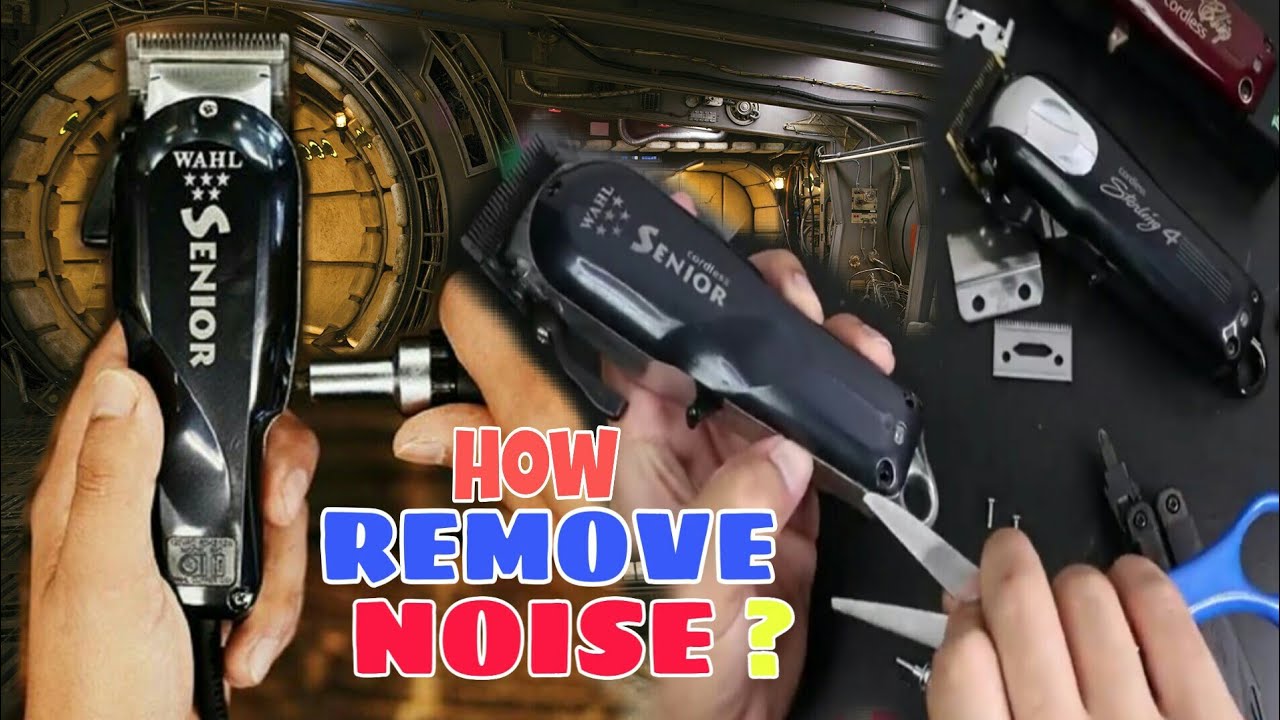
Are you tired of the deafening noise that accompanies your yard work? Perhaps you want to enjoy the peace and tranquility of your outdoor space without disturbing your neighbors or disrupting the serenity of your surroundings. If so, you’ve come to the right place. In this guide, we will explore effective strategies and techniques to help you reduce trimmer noise and make your gardening experience more enjoyable. By implementing these practical tips, you’ll not only protect your hearing but also create a harmonious environment for both yourself and those around you.
When it comes to reducing trimmer noise, understanding the root causes is essential. Trimmers, also known as weed eaters or string trimmers, operate using a small engine that generates noise as it powers the cutting mechanism. The spinning motion of the trimmer line cutting through grass or vegetation creates a high-pitched sound that can be quite disruptive.
However, with a combination of proper maintenance, smart purchasing decisions, and a few innovative techniques, you can significantly diminish trimmer noise and restore peace to your outdoor oasis. So, let’s dive in and discover how you can achieve a quieter, more serene gardening experience.

Source: ytimg.com
Reducing Trimmer Noise: A Step-by-Step Guide
In this section, we will explore effective methods to reduce trimmer noise. Trimmer noise can be a nuisance, especially if you live in a residential area or work in a noise-sensitive environment. By following these steps, you can minimize the noise produced by your trimmer and create a more peaceful and quiet environment.
1. Choose a High-Quality Trimmer
The first step in reducing trimmer noise is to invest in a high-quality trimmer. Look for trimmers that are specifically designed to be quiet. These trimmers are often equipped with noise-reducing technology and features that dampen sound vibrations. Additionally, opt for trimmers with brushless motors, as they tend to be quieter compared to those with brushed motors.
Furthermore, consider the noise level of the trimmer before making a purchase. Manufacturers usually provide information about the decibel (dB) rating of their trimmers. Opt for trimmers with lower dB ratings, as they produce less noise. By choosing a high-quality trimmer, you can significantly reduce trimmer noise right from the start.
2. Maintain Your Trimmer Regularly
Regular maintenance is essential in minimizing trimmer noise. Start by keeping your trimmer clean and free from debris. Dirt and grass clippings can accumulate in the cutting head and motor, causing the trimmer to produce more noise. After each use, remove any debris and clean the trimmer thoroughly.
In addition to cleaning, lubricate the trimmer parts regularly. Apply lubricating oil to the cutting blades, motor bearings, and other moving parts to reduce friction and noise. Follow the manufacturer’s guidelines for lubrication frequency and use the recommended lubricants. Proper lubrication not only reduces noise but also prolongs the life of your trimmer.
3. Use Noise-Reducing Attachments
Many trimmers have noise-reducing attachments that can be added to minimize noise levels. One common attachment is a trimmer line with a spiral shape. This type of line reduces noise by cutting through the air more smoothly, resulting in less vibration and noise. Replace your regular trimmer line with a noise-reducing line for a quieter trimming experience.
Additionally, consider using a trimmer head with a noise-reducing design. These heads are specifically engineered to dampen sound vibrations and reduce noise levels. They often have built-in shock absorbers or insulation materials to minimize noise transmission. By using noise-reducing attachments, you can further decrease trimmer noise.
4. Wear Hearing Protection
While taking steps to reduce trimmer noise is important, it is also essential to protect your hearing. Even with noise-reducing measures in place, trimmers can still produce sound levels that may be harmful to your ears. Invest in a pair of ear defenders or earplugs specifically designed for noise reduction.
Wearing hearing protection while operating your trimmer will help safeguard your hearing and prevent long-term damage. Make it a habit to wear the appropriate hearing protection every time you use your trimmer, regardless of the noise reduction measures you have implemented.
By following these steps, you can effectively reduce trimmer noise and create a more pleasant environment. Remember to invest in a high-quality trimmer, maintain it regularly, use noise-reducing attachments, and wear hearing protection. With these measures in place, you can enjoy a quieter trimming experience while keeping your surroundings peaceful.
Frequently Asked Questions
In this section, you will find answers to some commonly asked questions about how to reduce trimmer noise.
How can I reduce the noise produced by my trimmer?
There are a few steps you can take to reduce the noise created by your trimmer. Firstly, make sure you are using the trimmer at the appropriate speed for the task at hand. Running the trimmer at full speed unnecessarily can contribute to increased noise levels.
Additionally, consider using a trimmer that has noise reduction features built-in. These trimmers are designed to minimize noise output while still delivering effective cutting performance. Finally, wearing hearing protection such as earplugs or earmuffs can significantly reduce the impact of trimmer noise on your ears.
Another useful tip is to regularly maintain your trimmer. Keeping the blades sharp and well-lubricated can help reduce noise as the trimmer will operate more smoothly. Lastly, using the trimmer during the daytime or at times when noise restrictions are not in place can be beneficial in reducing the overall noise impact.
Are there any specific trimmer models or brands known for their low noise levels?
Yes, there are several trimmer models and brands that are known for their low noise levels. These trimmers are designed with noise reduction technology to minimize the noise produced during operation. Some reputable brands that offer trimmers with low noise levels include Bosch, Black+Decker, and Makita. When looking for a trimmer with low noise levels, be sure to check product specifications and look for models that specifically advertise noise reduction features.
It’s important to note that while these trimmers are designed to be quieter, they may still produce some level of noise. Therefore, it’s always recommended to wear hearing protection when operating any type of trimmer to further reduce the risk of noise-related hearing damage.
Can regular maintenance of the trimmer help reduce noise?
Yes, regular maintenance of the trimmer can help reduce noise levels. Keeping the trimmer blades sharp and well-maintained ensures that they cut through vegetation cleanly and efficiently. Dull blades can cause the trimmer to work harder, leading to increased noise levels. Additionally, lubricating the moving parts of the trimmer on a regular basis can help reduce friction and minimize noise.
Regularly inspecting the trimmer for any loose or damaged parts is also crucial. Loose parts can contribute to vibrations and increased noise output. If you notice any loose or damaged components, it’s recommended to have them repaired or replaced as soon as possible to maintain optimal noise levels.
Can using a different cutting technique help reduce trimmer noise?
Yes, using a different cutting technique can help reduce trimmer noise. One effective technique is to avoid cutting through thick vegetation in a single pass. Instead, gradually trim the vegetation in multiple smaller passes. This reduces the load on the trimmer, resulting in lower noise levels. Additionally, using the trimmer at a lower speed setting when cutting through lighter vegetation can also help reduce noise.
Another technique is to hold the trimmer at a slight angle while cutting. This allows the trimmer to slice through the vegetation more cleanly, reducing the resistance and resulting in reduced noise. Experimenting with different cutting techniques and finding the one that works best for your specific trimming needs can effectively reduce trimmer noise.
Are there any alternative tools or methods to reduce trimmer noise?
Yes, there are alternative tools and methods available to reduce trimmer noise. One option is to consider using manual gardening tools instead of powered trimmers. Manual tools such as grass shears or manual clippers produce minimal noise as they don’t rely on motors or engines.
Another alternative is using battery-powered trimmers instead of gas-powered ones. Battery-powered trimmers tend to be quieter as they don’t have the same level of engine noise. However, it’s important to note that battery-powered trimmers may have limited runtime compared to gas-powered ones.
Finally, some people opt for landscaping techniques that reduce the need for trimmers altogether. This can include using ground covers or mulch to suppress weed growth, planting low-maintenance shrubs, or using edging to define lawn borders. By minimizing the need for extensive trimming, overall trimmer noise can be significantly reduced.

Source: ytimg.com
Final Words:
In conclusion, reducing trimmer noise is not only beneficial for the environment but also for our own well-being. By following the tips and techniques discussed in this article, we can significantly lower the noise levels generated by our trimmers and create a more peaceful and enjoyable outdoor experience.
Remember, proper maintenance and regular cleaning of the trimmer can go a long way in reducing noise. Additionally, investing in noise-reducing attachments and using them correctly can make a significant difference. Finally, being mindful of the time and location of your trimming activities can minimize the disturbance caused to others.
By implementing these strategies, we can contribute to a quieter and more harmonious environment while still maintaining the beauty and neatness of our outdoor spaces. Let’s take action today and reduce trimmer noise for a more peaceful and enjoyable outdoor experience for all.