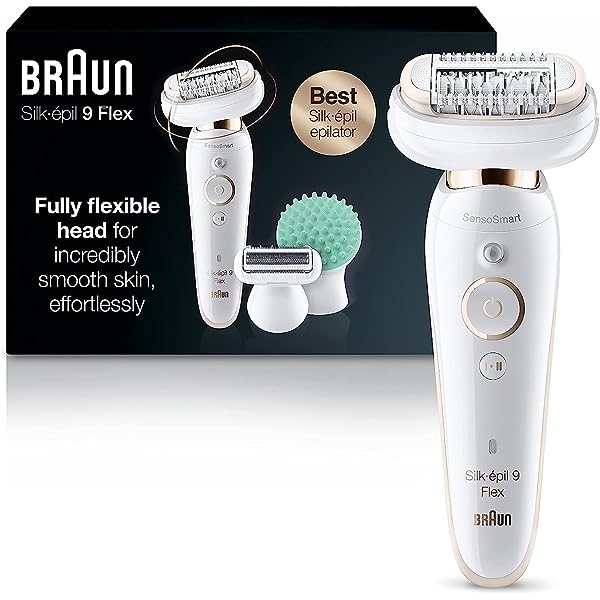
Trimmer and waxing are popular hair removal methods; trimmers cut hair above skin level, while waxing removes hair from the root. Both options serve different skin and hair type preferences, offering unique results.
Exploring the realms of hair removal, one might consider efficiency, pain tolerance, and long-term effects. Trimmers, often electric, provide a quick and relatively painless experience; they are ideal for those seeking speedy touch-ups or are sensitive to pain. Despite their convenience, trimmers leave behind stubble, as they only trim hair at the surface.
On the other hand, waxing pulls hair from the root, resulting in a smoother finish and potentially slower regrowth. Though more painful than trimming, waxing can lead to finer and sparser hair over time. Users must weigh the immediacy and comfort of trimming against the longer-lasting results of waxing to decide the best fit for their lifestyle and hair removal needs.
Demystifying Hair Removal Methods
Welcome to the ultimate showdown in the realm of hair removal: Trimmer vs. Waxing. Discover the twists and turns in hair removal techniques as we strip down the facts, leaving nothing but smooth conclusions. Whether you’re a grooming guru or a beginner in beauty regimes, understanding these methods is key to achieving that flawless look.
The Importance Of Hair Removal In Beauty Regimes
Hair removal has long been a crucial step in many beauty routines across the globe. A practice steeped in history, it is more than just a cosmetic choice—it is often a rite of confidence and personal preference. From enhancing the appearance of smooth skin to maintaining hygiene and even improving athletic performance, the reasons for hair removal are as varied as the methods available.
Clarifying The Purpose Of Comparing Trimmer And Waxing
Why pit trimmers against waxing, you ask? Each approach offers distinct benefits and drawbacks, and the choice is not always clear cut. This comparison aims to highlight the key differences, empowering readers to make informed decisions based on their skin type, pain threshold, and personal grooming goals.
Setting The Expectations For Evidence-based Comparison
Prepare for an unbiased, evidence-based discourse as we dive into the nitty-gritty of each hair removal method. Expect nothing less than practical insights, from the immediate results to long-term effects on your skin. By the end of this article, you’ll wield the knowledge to choose the hair removal tactic that best aligns with your beauty aspirations.
Trimmer Advantages And Limits
Finding the right hair removal method often boils down to a choice between the fast and convenient trimmer or the traditional wax. Each method has its own benefits, but today’s focus is on understanding the advantages and limitations of using a trimmer for hair removal.
Discuss The Convenience Of Using Trimmers
Trimmers stand out for their convenience, offering a quick and hassle-free solution for hair removal. Ideal for busy schedules, trimmers allow for a fast grooming session that can fit into morning routines or last-minute touch-ups. This speed does not compromise on safety; trimmers are typically user-friendly and pose a minimal risk of cuts or skin irritation when used correctly. Furthermore, they are often portable and easy to maintain, making them a go-to for those on the move.
Highlight The Range Of Trimmer Types For Different Skin Areas
Trimmers come in an impressive variety of types designed for different skin areas, each tailored to offer the most effective hair removal experience. For instance:
- Facial trimmers are gentle and precise, perfect for eyebrows and sideburns.
- Bikini trimmers feature smaller blades for delicate areas, ensuring a precise trim.
- Body trimmers have larger heads and are ideal for arms, legs, and chest hair.
With this range, users can find a trimmer that matches their specific needs, whether they require precision or power.
Delve Into The Limitations And Considerations When Choosing Trimmers
While trimmers offer convenience and variety, limitations must be considered. Trimmer efficiency largely depends on hair type and length. Users with thicker or longer hair may find that multiple passes are necessary for a close trim, which can lead to increased skin irritation. It is also important to note that trimmers do not provide as close a shave as razors, which might be a drawback for those seeking smooth, bare skin. Finally, users should invest in a quality device to prevent rapid wear and tear and ensure longevity and better performance.
Waxing For Long-lasting Results
When it comes to hair removal, waxing stands out as a popular method for those seeking a smooth, hair-free look that lasts. Unlike trimming, which simply cuts hair above the skin’s surface, waxing removes hair from the root, promising weeks of hairless bliss. For anyone tired of frequent touch-ups and looking for longer-lasting results, waxing may be the ideal solution.
Illustrate How Waxing Works And Its Effectiveness
Waxing is a hair removal method that involves applying a layer of warm wax to the skin in the direction of hair growth. As the wax cools, it grips the hairs tightly. A cloth or paper strip is then firmly pressed onto the wax. With a quick motion, the strip is pulled off against the direction of hair growth, taking the wax and attached hairs with it.
Studies show that this method of hair removal can keep the skin smooth for up to 6 weeks, as hair is removed directly from the root. The results can vary depending on individual hair growth cycles, but overall, waxing is considered an effective long-term hair removal solution.
Explain The Benefits Of Waxing Over Trimming
- Longer Lasting Results: Waxing pulls hair from the root, delaying the regrowth process and offering smooth skin for much longer periods compared to the temporary fix of trimming.
- Smoother Skin: As hairs are removed completely, skin feels smoother to the touch with waxing than with the stubbly texture often left by trimmers.
- Finer Hair: Regular waxing can lead to finer, less coarse hair, reducing the visibility of regrowth between sessions.
- Exfoliation: Waxing also exfoliates the skin, removing dead skin cells and potentially improving skin texture.
Explore The Potential Drawbacks And Side Effects Of Waxing
Despite its benefits, waxing can have drawbacks and side effects worth considering:
| Drawback/Side Effect | Description |
|---|---|
| Pain and Discomfort | Waxing can be painful as it involves pulling hair from the roots, especially in sensitive areas. |
| Skin Irritation | Some people may experience redness, bumps, or inflammation post-waxing. |
| Ingrown Hairs | Improper waxing techniques can lead to hairs growing back into the skin, causing ingrown hairs. |
| Temporary Redness | The skin may appear red temporarily after waxing, which usually subsides within a few hours. |
It’s important for individuals to weigh these considerations and choose a hair removal method that aligns with their preferences, pain tolerance, and lifestyle needs.
Side-by-side Evaluation
When it comes to hair removal, the dilemma between using a trimmer and opting for waxing can be quite challenging. Both methods have loyal followers and have their own benefits and drawbacks. In this side-by-side evaluation, we’re about to dissect the two popular hair removal techniques to help you make an informed decision based on pain levels, cost implications, and suitability for different skin types.
Compare the pain levels associated with trimmers and waxingCompare The Pain Levels Associated With Trimmers And Waxing
When it comes to pain, there’s a significant difference between using trimmers and waxing. Trimmers offer a virtually pain-free experience, as they cut hair above the skin without pulling on it. On the other hand, waxing involves pulling the hair from the root, leading to a sharp and often intense pain that can be particularly uncomfortable for those new to it.
Examine the cost implications over time for both methodsExamine The Cost Implications Over Time For Both Methods
| Method | Initial Cost | Maintenance Cost | Long-Term Cost |
|---|---|---|---|
| Trimmer | One-time investment | Minimal (replacement blades) | Lower |
| Waxing | Per session or kit | Regular sessions/kits | Higher |
Financially speaking, trimmers are a more economical choice over time. The upfront cost might be higher, but they require minimal ongoing expenses. Alternatively, waxing necessitates consistent expenditure, whether on salon visits or at-home wax kits, translating to a greater financial commitment.
Consider the suitability for different skin types and sensitivitiesConsider The Suitability For Different Skin Types And Sensitivities
- Sensitive Skin: Trimmers are gentle and reduce the risk of irritation, making them suitable for sensitive skin.
- Coarse Hair: Waxing effectively removes thick, dense hair, providing smoother results.
- Allergy Prone: Trimmers eliminate the risk of allergic reactions often associated with wax ingredients.
- Long-term Skin Health: Trimmers pose no risk of burns or skin removal, whereas improper waxing techniques can cause such issues.
Different skin types and sensitivities can react variably to hair removal methods. Trimmers are generally safer for those who have sensitive or allergy-prone skin, while waxing can offer more thorough results for those without such concerns.
Tips For Smooth Skin Success
Attaining smooth skin is a beauty goal for many, but the path there requires some finesse—especially when it comes to hair removal. Whether you’re a fan of the quick trimmer approach or prefer the long-lasting results of waxing, each method has its own set of rules for the skin game. Below are the ultimate tips to ensure whatever route you choose leads to smooth skin success.
Offer guidance on preparing skin for either methodGuidance On Preparing Skin For Either Method
The right prep can make a world of difference. For trimming or waxing, always start with clean and exfoliated skin. This removes dead skin cells and provides a clearer path to the hair follicle. Keep skin moisturized in the days leading up to hair removal, but skip lotions and creams on the day of to prevent any interference with the hair removal process. If waxing, consider trimming hair to a quarter-inch for optimal results.
- Wash with a gentle, non-comedogenic cleanser.
- Perform a gentle exfoliation to lift any ingrown hairs.
- Avoid moisturizing directly before waxing or trimming.
- For waxing, check hair length and trim if necessary.
Aftercare Strategies To Maintain Skin Health Post Hair Removal
Proper aftercare is essential. After trimming, apply a soothing agent like aloe vera to calm any irritation. Post-waxing, give your skin 24 to 48 hours of rest before exfoliating again to prevent ingrown hairs. Hydration is key—use a fragrance-free moisturizer to nourish the skin and keep it smooth.
- Apply a cool compress to reduce irritation.
- Use a post-hair removal lotion to soothe the area.
- Wait a day or two before resuming exfoliation.
- Drink plenty of water and moisturize to promote healing.
When To Consult Professionals For Hair Removal Services
Consult a professional if you are uncertain about which hair removal method suits your skin type, or if you have pre-existing skin conditions. Professional estheticians can provide personalized advice and services, particularly for sensitive areas or when you require more precise shaping. Moreover, seek a professional’s help if you experience any adverse reactions such as excessive redness, swelling, or infection.
| Situation | Professional Consultation Recommended? |
|---|---|
| Uncertainty about the best hair removal method | Yes |
| Pre-existing skin conditions like eczema | Yes |
| Sensitive areas needing hair removal | Yes |
| Adverse reactions post hair removal | Yes |

Credit: shavercheck.com
Frequently Asked Questions On Trimmer Vs Waxing
Which Is Better For Sensitive Skin: Trimmer Or Waxing?
Trimmers are generally better for sensitive skin as they don’t pull at the skin or cause the potential irritation that waxing can. They cut hair above the skin without causing much friction or inflammation, making them a safer option for those with skin sensitivity.
How Long Do Results From Trimmer Vs Waxing Last?
Waxing typically offers longer-lasting results than trimming, as it removes hair from the root. While trimming results can last a few days, waxing may keep skin smooth for up to four to six weeks, depending on individual hair growth cycles.
What Are The Cost Differences Between Trimming And Waxing?
Trimmers involve a one-time purchase and can be used repeatedly, making them cost-effective in the long run. Waxing requires ongoing expenses for either salon appointments or at-home waxing kits, which can add up over time.
Can Waxing Or Trimming Provide Smoother Skin Results?
Waxing can provide smoother skin, as it removes hair from the root, leaving the area hair-free and smooth until the hair grows back. Trimming cuts hair at the skin’s surface, which can result in less smoothness compared to waxing.
Conclusion
Deciding between trimmers and waxing boils down to personal preference. Consider your pain tolerance, convenience, and skin type. For lasting smoothness, waxing triumphs, but for quick, pain-free grooming, trimmers shine. Embrace the method that aligns with your lifestyle and skin care goals.
Whichever you choose, prioritize comfort and results.