Nose trimming can be safe, but it should not be overdone as nose hair serves an important function in keeping particles out of the body, reducing allergies and infections. Trimming nose hair once every two weeks is recommended.
However, it is important to note that none of the at-home methods, such as snipping or tweezing, will provide a permanent solution. For a more permanent option, laser hair removal can be considered. It is generally safe for people to remove nose hair by either trimming it with a nose hair trimmer or undergoing laser hair removal.
Nose hair trimming is effective, safe, and causes zero discomforts.
The Importance Of Nose Hair
Removing nose hair can be safe if done properly, as it serves an important function in filtering particles and reducing allergies. However, it is important not to overdo it, as drastically altering nose hair can cause harm. Regular trimming every two weeks is recommended to maintain hygiene.
Nose Hair As A Protective Filter
Did you know that nose hair serves a crucial function in your body? It acts as a protective filter, keeping potentially harmful particles from entering your respiratory system. When you breathe, air passes through your nose, and the hair inside acts as a barrier, trapping dust, allergens, and other microscopic irritants. Without this natural defense mechanism, these particles can easily enter your lungs and cause allergies, infections, and respiratory issues.
Reducing Allergies And Infections
By keeping particles out of your body, nose hair plays a vital role in reducing allergies and infections. When allergens such as pollen, dust, or pet dander enter your nose, the hair acts as a sieve, preventing these irritants from reaching your airways. This filtration system helps minimize the chances of allergic reactions, including sneezing, itching, and congestion.
Moreover, nose hair also helps to reduce the risk of infections. Bacteria and viruses present in the air are caught by the hair, preventing them from entering your body. Without this barrier, these pathogens could easily invade your respiratory system and lead to respiratory infections such as colds, flu, or sinusitis.
Ensuring Proper Nasal Function
In addition to protecting against allergies and infections, nose hair also plays a crucial role in maintaining proper nasal function. The hair in your nostrils helps to regulate the temperature and humidity of the air you breathe. It also helps to trap and moisten the air, ensuring that it reaches your lungs in the optimal condition.
While it may be tempting to trim or remove your nose hair for aesthetic reasons, it’s important to remember that these hairs serve a vital purpose in your body. The key is to strike a balance between grooming and preserving the protective function of nose hair.
If you do decide to trim your nose hair, it is recommended to do so in a safe and controlled manner. Using a specialized nose trimmer designed for this purpose can help you maintain an appropriate length of nose hair without completely removing it. Regular trimming once every two weeks is usually sufficient to keep your nose hair in check without compromising its protective function.
Remember, your nose hair acts as a natural defense mechanism, protecting you from allergies and infections. So next time you consider reaching for those tweezers or scissors, think twice and consider the important role your nose hair plays in keeping you healthy.
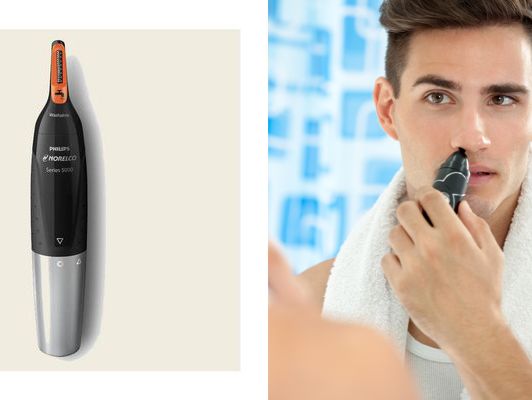
Credit: www.menshealth.com
Understanding The Risks Of Nose Trimming
Understanding the risks of nose trimming is essential to ensure your safety. While trimming nose hair can be safe when done properly, it is important not to overdo it as nose hair serves a vital function in preventing particles from entering your body and reducing allergies and infections.
Potential Dangers Of Excessive Nose Trimming
Nose hair serves an important purpose in our bodies – it acts as a barrier against particles and allergens, reducing the risk of allergies and infections. However, when it comes to nose trimming, it’s important to strike a balance to ensure optimal health.
Excessive nose trimming can lead to potential dangers and complications. Let’s take a look at some of them:
- Drying out the nasal passages: Over-trimming may cause the nasal passages to become excessively dry, leading to discomfort and possibly even nosebleeds.
- Increased susceptibility to infections: Nasal hair plays a crucial role in filtering out bacteria and other harmful particles. By trimming too often or too aggressively, you may compromise this natural defense mechanism, making you more susceptible to respiratory infections and illnesses.
- Greater allergy symptoms: Nose hair acts as a natural filter, trapping allergens and preventing them from entering your body. Excessive trimming can reduce the efficiency of this filtration system, resulting in increased allergy symptoms and discomfort.
Maintaining A Balance For Optimal Health
While nose trimming can help maintain personal hygiene and improve appearance, it is crucial to do it in moderation to ensure optimal health and well-being. Here are some tips to maintain a balance:
- Trim, but don’t eliminate: Rather than completely removing all your nose hair, aim to trim it to a manageable length. This will help maintain the protective function of the hair while keeping it neat and tidy.
- Use the right tools: Invest in a high-quality nose trimmer that is specifically designed for this purpose. Avoid using scissors or other sharp objects that may cause injury or damage to the delicate nasal tissues.
- Trim regularly, but not too often: Find a trimming frequency that works for you. Trimming once every two weeks is often sufficient for most individuals to keep nose hair growth in check without overdoing it.
- Moisturize the nasal passages: If you experience dryness or discomfort after trimming, consider using a saline nasal spray or applying a gentle moisturizer to keep the nasal passages hydrated.
- Seek professional help for permanent removal: If you’re looking for a more permanent solution, laser hair removal performed by a qualified professional may be an option to consider. However, it’s important to consult with a healthcare provider before undergoing any permanent hair removal procedures.
Remember, maintaining a balance between personal grooming and the protective function of nose hair is key to ensuring optimal health. By understanding the risks associated with excessive nose trimming and taking appropriate precautions, you can keep your nose looking and feeling its best.
Safe Trimming Techniques And Tools
- Trimming your nose hair is a safe and effective way to maintain personal hygiene. However, it’s important to follow proper techniques to avoid any discomfort or potential injuries.
- Before trimming, ensure your nose is clean and dry to prevent any infections. You can gently wash the inside of your nose with warm water or use a saline solution to remove any debris or mucus.
- When using a nose hair trimmer, hold it at a comfortable angle and insert the trimmer into your nostril. Be cautious not to push the trimmer too far inside, as it can cause irritation or injury.
- Trim the excess hair by moving the trimmer in a circular motion or in short, gentle strokes. Avoid using excessive force or pulling on the hair, as this can lead to discomfort or ingrown hairs.
- Always remember to trim the hair conservatively, leaving a small amount to perform its natural function of protecting your nasal passages.
- After trimming, clean the trimmer thoroughly to remove any trapped hair or debris, and store it in a clean, dry place.
Recommended Tools For Safe Trimming:
| Tool | Description |
|---|---|
| Electric nose hair trimmers | These trimmers are specifically designed for nose hair removal and often come with protective features to prevent any accidental cuts or irritation. |
| Nose hair scissors | A pair of small, rounded-tip scissors can be used to gently trim nose hair. These scissors provide more control and precision compared to trimmers. |
| Nose hair tweezers | For individuals with minimal nose hair growth, tweezers can be used to pluck out individual hairs. However, this method may be more time-consuming and potentially painful. |
Choosing the right tool for your nose hair trimming routine is essential to ensure a safe and comfortable experience. Electric nose hair trimmers are generally recommended due to their ease of use, precision, and protective features. Nose hair scissors can also be a suitable option if you prefer more control over the trimming process. However, avoid using regular scissors or sharp objects as they can increase the risk of injuries.
Remember, proper technique and the use of appropriate tools are crucial to ensure safe nose hair trimming. By following these guidelines, you can maintain your personal hygiene effectively without compromising your overall nasal health.
Best Practices For Nose Hair Grooming
When it comes to nose hair grooming, the question of safety arises. Trimming, thinning, and removing nasal hair can be safe as long as it is not overdone. Nose hair plays an important role in keeping particles out of your body, reducing allergies and infections.
How Often Should You Trim Your Nose Hair?
Establishing a regular grooming routine is essential to keep your nose hair in check. While it can be tempting to overlook this task, neglecting to trim your nose hair can lead to an unkempt appearance and potential hygiene issues. To maintain a well-groomed look, experts recommend trimming your nose hair once every two weeks.
Regular trimming allows you to keep your nasal hair at a manageable length before it becomes noticeable to others. It is best to trim them while they are still short and fine, as they are easier to handle.
Establishing A Regular Grooming Routine
In order to establish a regular nose hair grooming routine, it is important to choose the right tool for the job. Here are some of the options that you can consider:
| Tool | Description |
|---|---|
| Nose hair trimmer | A nose hair trimmer is specifically designed to trim nose hair safely and efficiently. It usually comes with a protective guard to prevent accidental cuts. |
| Nose hair scissors | Using small, sharp scissors specifically designed for trimming nose hair is another option. It requires more precision and caution to avoid accidental injury. |
| Nose hair waxing | This method involves using wax strips or waxing kits specifically formulated for nose hair removal. It provides longer-lasting results but may cause temporary discomfort. |
| Laser hair removal | For a more permanent solution, laser hair removal can effectively reduce the growth of nose hair. However, it should be performed by a trained professional. |
Choose the method that you are most comfortable with and ensure that you follow the manufacturer’s instructions carefully for safe and effective grooming.
Besides regular trimming, it is important to maintain good overall hygiene to prevent any associated problems. Keep in mind the following tips:
- Wash your nose area with a gentle cleanser to keep it clean and prevent infections.
- Avoid using sharp or unsanitary objects to remove your nose hair, as it can lead to injuries and infections.
- If you experience excessive or abnormal hair growth, consult a healthcare professional for further evaluation.
By incorporating these best practices into your grooming routine, you can ensure that your nose hair is kept in check and your overall appearance is well-maintained.
Alternatives To Nose Trimming
When it comes to grooming, nose hair trimming is a common practice. However, for those who prefer to explore other options, there are alternatives to consider. Below, we discuss two alternatives to nose trimming: nose hair scissors and permanent hair removal options.
Nose Hair Scissors
One alternative to using a nose trimmer is the use of nose hair scissors. These specialized scissors are designed to safely and effectively trim nose hair without causing harm or discomfort. Unlike electric trimmers, nose hair scissors give you more control over the amount of hair you trim, allowing for a more precise grooming experience.
When using nose hair scissors, it’s important to exercise caution to prevent any injuries. Here are a few tips to ensure a safe and effective trimming experience:
- Use sharp and clean scissors specifically designed for nose hair trimming.
- Start by washing your face and drying your nose area to ensure cleanliness.
- Position the scissors parallel to your nostril and carefully trim any visible nose hair, avoiding going too deep into the nasal cavity.
- Regularly clean and sanitize your nose hair scissors to maintain hygiene.
Permanent Hair Removal Options
If you’re looking for a more long-term solution for nose hair removal, there are permanent hair removal options available. These methods target the hair follicles, preventing regrowth and reducing the need for frequent trimming or maintenance. Here are two popular options:
| Laser Hair Removal | Electrolysis |
|---|---|
| Laser hair removal is a popular method that uses laser technology to target and destroy hair follicles. It offers long-lasting results and is suitable for various body areas, including the nose. However, multiple sessions may be required for optimal results. | Electrolysis is another permanent hair removal option that involves inserting a tiny probe into the hair follicle to deliver an electric current, effectively destroying the follicle. This method can be time-consuming and may require multiple sessions depending on the extent of hair growth. |
It’s important to consult with a professional or a qualified technician to determine the most suitable permanent hair removal option for your needs. They will assess your hair type, skin sensitivity, and personal preferences to recommend the best course of action.
Remember, each method has its own benefits and considerations, and what works for one person may not be the ideal choice for another. Consider your individual needs, comfort level, and desired results when exploring alternatives to nose trimming.
Frequently Asked Questions On Is Nose Trimmer Safe
Is It Unhealthy To Trim Nose Hairs?
Trimming nose hairs can be safe, but you shouldn’t overdo it. Nose hair serves an important function in your body by keeping particles out and reducing allergies and infections. It’s best to trim nose hairs regularly, about once every two weeks, to maintain their function.
How Often Should You Trim Your Nose Hair?
Trimming your nose hair regularly is important to maintain hygiene and appearance. A trim once every two weeks should suffice to keep it in check without overdoing it. It is crucial not to remove nose hair completely as it serves the purpose of filtering particles and preventing allergies and infections.
Regular trimming helps keep things tidy.
Does Trimming Nose Hair Reduce Allergies?
Trimming nose hair can be safe and may help reduce allergies. Nose hair serves the important function of filtering out particles from entering the body, preventing allergies and infections. However, it’s important not to overdo it, as altering nose hair too drastically can be detrimental.
Regular trimming, once every two weeks, is recommended to keep it manageable.
How Can I Remove My Nose Hair Permanently?
You can’t remove nose hair permanently, but it can be safely trimmed using a nose hair trimmer. Trimming nose hair regularly, about once every two weeks, keeps it from becoming noticeable. It’s important not to remove nose hair completely as it serves a function in filtering particles and reducing allergies.
Laser hair removal is the most permanent method, but it may not be necessary for most people.
Conclusion
Trimming your nose hair can be a safe practice as long as it is done in moderation. It is important to remember that nose hair serves a vital function in keeping allergens and particles from entering your body. However, if you choose to trim your nose hair, it is recommended to do so regularly to maintain a clean and groomed appearance.
Whether you opt for a nose hair trimmer or laser hair removal, ensure that you follow the proper guidelines for a safe and effective experience.