Trimmers can cut the skin if used improperly or if the blades are not properly aligned. However, under normal circumstances, trimmers do not have blades sharp enough to cut the skin on the first instance of contact.
The blades of trimmers are designed to vibrate using a motor, which is usually not strong enough to cause cuts on the skin. It is important to use trimmers carefully and follow proper instructions to avoid any potential injury. When it comes to grooming and maintaining facial hair, trimmers have become an essential tool for many people.
With their precision and ease of use, trimmers provide a convenient way to trim and shape facial hair.
However, there may be concerns about whether trimmers can cut the skin. We will explore whether trimmers have the potential to cause cuts and what precautions can be taken to prevent any injury.
By understanding how trimmers work and how to use them properly, you can confidently use this grooming tool without worrying about harming your skin.
Can Trimmer Cut Skin? Safety Tips for Grooming
Trimmers are designed to cut hair, not skin. However, it is possible for a trimmer to nick or cut the skin if it’s used improperly or if the skin is very loose, folded, or if the trimmer is faulty or has very sharp edges not typical of consumer-grade trimmers. It is always important to use the trimmer according to the manufacturer’s instructions and to ensure that it is in good working condition. Some trimmers come with safety features such as rounded tips to minimize the risk of cutting the skin.
Here are some tips to avoid cutting the skin while using a trimmer:
- Check the Trimmer Before Use: Make sure the blades are not damaged, dull, or rusted.
- Use Guards: Many trimmers come with guards to help protect the skin.
- Hold the Skin Taut: This can prevent the skin from getting caught in the trimmer.
- Use the Correct Angle: Holding the trimmer at the right angle can help prevent nicks.
- Go Slow: Rushing can increase the chances of slipping and cutting the skin.
- Regular Maintenance: Clean and oil the trimmer regularly to keep it in optimal condition.
If you do get a nick or cut, treat it with first aid—clean the area with soap and water, apply an antiseptic, and cover with a bandage if necessary. If the cut is deep or does not stop bleeding, seek medical attention.
How Trimmers Work
Hair trimmers work by using a pair of oscillating blades that are powered by an electric motor. The basic mechanism of a hair trimmer involves the interaction between these blades and a guard that helps to regulate the length of the hair cut. Here’s a step-by-step explanation of how trimmers function:
Power Source:
The trimmer is powered either by a rechargeable battery or direct electrical power from an outlet. When turned on, the power activates a small motor inside the trimmer.
Motor Movement:
The motor converts electrical energy into motion. It typically moves a small cam or lever back and forth at a high speed.
Blade Oscillation:
The motion from the motor is transferred to the blades. One blade is stationary, while the other one moves side to side very quickly. This is the oscillating action that allows hair to be cut.
Cutting Action:
As hair enters the trimmer head, it is caught between the teeth of the comb-like guard and the moving blade. The oscillating blade then cuts the hair against the edge of the stationary blade, much like a pair of scissors.
Length Adjustment:
Different attachments or adjustable guards can be placed on the trimmer to achieve different hair lengths. The guard ensures that only hair of a certain length is caught and cut.
Safety:
The blades of a trimmer are designed in such a way that when used correctly, they are less likely to cut the skin. This is because the moving blade does not directly touch the skin.
Regular maintenance such as cleaning the blades, oiling the moving parts, and replacing dull blades can keep a trimmer working effectively and safely.
Reasons Trimmers May Cut The Skin
Trimmers may accidentally cut the skin due to several reasons, often related to the condition of the trimmer, the manner in which it’s used, or the type of skin and hair being trimmed. Here are some common reasons why this might happen:
Dull Blades:
Over time, the blades of a trimmer can become dull. Dull blades tend to tug at hair rather than cutting it cleanly, which can lead to the skin being pulled into the blades.
Damaged Blades:
Blades that have nicks or jagged edges can catch and cut the skin.
Improper Technique:
Using the trimmer at the wrong angle or with too much pressure can cause the blades to scrape or cut the skin.
No Guard or Incorrect Guard:
Using a trimmer without a guard, or not using the correct guard for the hair length, can result in the blades coming too close to the skin.
Sensitive Skin:
Individuals with sensitive or thin skin, like the elderly, may be more prone to cuts as their skin can be more easily caught by the trimmer blades.
Loose Skin:
Not stretching the skin taut while trimming can cause loose skin to get caught in the blades.
Trimmer Defects:
A malfunctioning trimmer with a motor that surges or stalls can cause uneven movement of the blades, increasing the risk of cutting the skin.
Lack of Maintenance:
Not cleaning or oiling the trimmer can lead to rust or buildup on the blades, which can affect their movement and precision.
Rushing:
Moving the trimmer too quickly or without care can lead to accidental nicks and cuts.
Inexperienced Users:
Those who are not accustomed to using trimmers may not know the proper technique, which increases the risk of cutting the skin.
To prevent these issues, it is important to use the trimmer carefully and maintain it properly, following the manufacturer’s instructions for use and care.
Preventing Cuts From Trimmers
Preventing cuts when using a hair trimmer involves proper handling, maintenance of the device, and preparation of the skin and hair. Here are several measures that can be taken to reduce the risk of cuts:
Read the Manual:
Before using a new trimmer, read the manufacturer’s instructions. Understanding how to use the specific model correctly is essential.
Inspect the Blades:
Check the blades for any signs of damage or dullness before use. Damaged or dull blades are more likely to snag the skin.
Use Guards:
Attach the appropriate guard for your desired hair length. Guards help to keep the blades at a safe distance from the skin.
Hold the Skin Taut:
Stretch the area of skin you’re trimming. This creates a smooth surface and prevents the skin from getting caught in the blades.
Proper Technique:
Use the trimmer at the angle recommended in the instruction manual, and glide it against the direction of hair growth without applying excessive pressure.
Trimming Speed:
Move the trimmer slowly and steadily. Rushing can lead to mistakes and potential nicks.
Regular Maintenance:
Clean and oil the blades regularly to keep them sharp and rust-free. This ensures a smoother trim.
Proper Storage:
Store your trimmer in a dry place and keep it covered to protect the blades from damage.
Test First:
If using a new trimmer or guard size, test it on a small area to ensure it doesn’t pull or snag the hair or skin.
Dry Hair:
Trim hair when it’s dry, unless your trimmer is specifically designed for wet and dry use. Wet hair can clump and cause the trimmer to tug on the hair and skin.
Use of Pre-shave Products:
Some pre-shave products can stiffen the hair, making it easier to cut and providing a layer of protection for the skin.
No Loose Clothing:
Ensure no loose clothing or jewelry is in the way that could get caught in the trimmer.
Check Battery or Power:
Make sure your trimmer is fully charged or plugged in properly to avoid inconsistent power that could cause the blades to snag.
Avoid Overheating:
If the trimmer starts to get hot, let it cool down. Overheated trimmers can burn the skin or malfunction.
Professional Repairs:
If your trimmer isn’t working properly, take it to a professional for repairs. Attempting to fix it yourself can lead to further damage or injury.
By following these tips, you can minimize the risk of cutting your skin while using a trimmer.
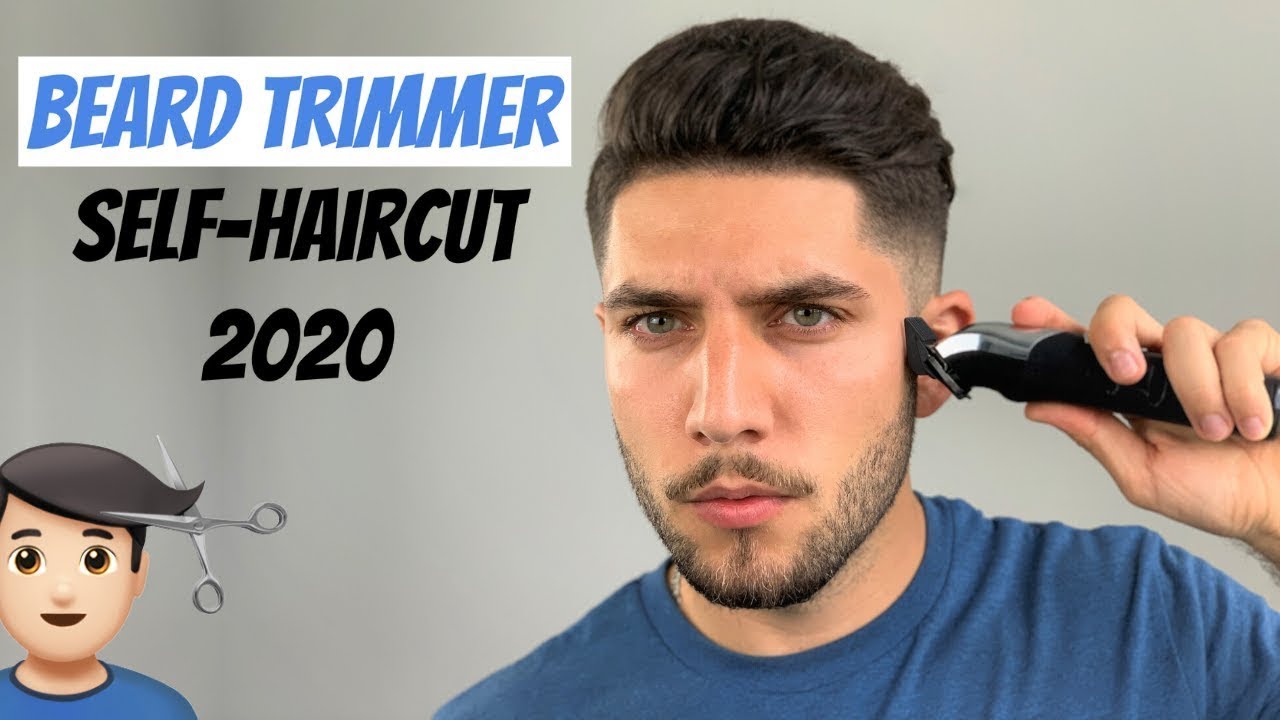
Credit: www.youtube.com
Frequently Asked Questions Of Can Trimmer Cut Skin
Can You Get Cuts From A Trimmer?
Trimmers are designed to vibrate the blades using a motor, making them safe to use without cutting the skin. However, if the blades are not properly assembled or are worn, they may cause cuts. Always inspect the blades before use and ensure proper alignment.
Why Does My Trimmer Cut My Skin?
A trimmer can cut your skin if the blade-set is not properly re-assembled, causing the back and forth motion of the cutter to accidentally cut the skin. Using worn blades or not handling the trimmer correctly can also result in cuts.
However, under normal operation, trimmers are designed to vibrate the blades to cut facial hair without harming the skin.
What To Do If You Get Cut By A Trimmer?
Trimmers are not designed to cut the skin. They have blades that vibrate using a motor to cut facial hair, but they are not sharp enough to cause harm to the skin. If you do get cut by a trimmer, clean the area and apply a bandage to prevent infection.
Does Trimmer Hurt Skin?
A trimmer does not hurt the skin. The blades of a trimmer are designed to vibrate and cut hair, not cut the skin. The blades are not sharp enough to cause injury to the skin.
Conclusion
To sum up, trimmers generally do not cut the skin during normal use. The blades are not too sharp to cause cuts upon contact with the skin. They are designed to vibrate and cut facial hair without being aggressive enough to harm the skin.
However, improper assembly or worn out blades can lead to accidental cuts. It is important to inspect the blades and use the trimmer correctly to prevent any injuries. Overall, trimmers are safe to use and should not hurt the skin when used properly.