Hair trimmer or razor – which is the superior grooming tool for that polished appearance? If you’re in a quandary about which to pick, you’re in the right place for some clarity.
Navigating the world of grooming, you’re likely to encounter the age-old debate: hair trimmer versus razor. We’re here to shed light on this choice, ensuring you’re equipped with the knowledge to select the right tool for you.
For those who value precision and the ability to tailor their look, the hair trimmer stands out. With customizable length options and diverse attachments, it offers the flexibility to craft your look down to the minutest detail. It’s the go-to for individuals who gravitate towards a tidy, meticulously groomed aesthetic.
Conversely, if your goal is an ultra-smooth, bare-skinned look, the razor is your ally. Be it a traditional manual razor or its electric counterpart, razors promise a close cut, bestowing upon you a pristine, velvety finish. It remains a timeless option for those chasing the epitome of smoothness.
So, whether you opt for a hair trimmer or a razor, make sure to choose the one that suits your grooming needs and preferences. It’s all about finding the tool that gives you the confidence to rock your signature style. Get ready to groom with precision or shave it smooth – the choice is yours!
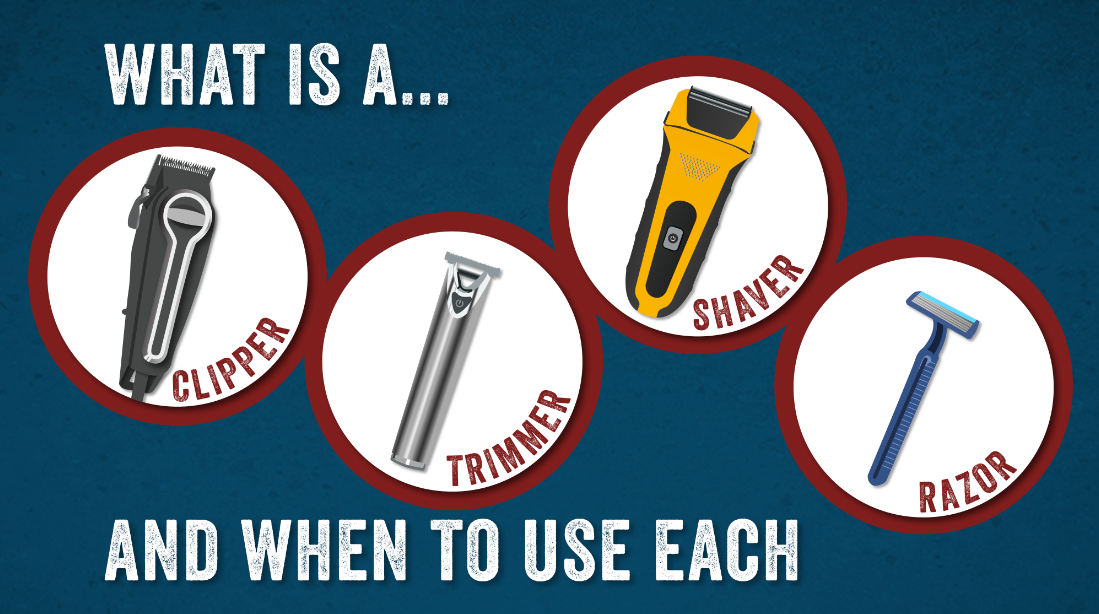
Source: wahlusa.com
Key Takeaways
- Hair trimmers are ideal for cutting and shaping hair, while razors are best for close shaving.
- Trimmers have adjustable guards to control hair length, while razors offer a smooth, clean shave.
- Using a trimmer can help maintain and style facial hair, while a razor is better for a clean-shaven look.
- Trimmers are versatile and can be used on various body parts, while razors are primarily for facial hair removal.
- Consider your grooming needs and preferences when choosing between a trimmer and a razor.
Comparing Hair Trimmer vs Razor: Which is Better for Hair Removal?
When it comes to hair removal, two popular tools often come to mind: the hair trimmer and the razor. Both of these devices offer effective ways to groom and maintain your hair, but they have distinct differences that cater to different needs. In this article, we will compare the key features, user experience, pros and cons, and price points of hair trimmers and razors. By the end, you’ll have a better understanding of which option is best suited for your hair removal needs.
Overview of Hair Trimmers
Hair trimmers, also known as electric clippers, are versatile devices designed to trim and shape hair. They are commonly used for grooming facial hair, trimming body hair, and even cutting hair on the head. Hair trimmers feature a set of sharp blades that oscillate back and forth to cut the hair evenly and smoothly. They often come with different clipper guards or attachments that allow you to achieve a variety of hair lengths.
One of the key advantages of hair trimmers is their versatility. They can be used for trimming and shaping hair anywhere on the body, making them a popular choice for both men and women. Hair trimmers also offer a quick and convenient way to maintain a well-groomed appearance without the need for professional assistance.
However, it’s important to note that hair trimmers are primarily designed for cutting hair to a shorter length, rather than completely removing it. They may not be the best option for achieving a completely smooth and hairless finish.
Pros and Cons of Hair Trimmer
Pros:
- Allows for precision and control in shaping and trimming hair.
- Versatile tool for grooming various areas of the body.
- Quick and convenient way to maintain a well-groomed appearance.
Cons:
- Not suitable for achieving a completely smooth and hairless finish.
- May require additional tools or devices for more detailed styling.
- Blades may need to be replaced or sharpened over time.
Overview of Razors
Razors, on the other hand, are specifically designed for removing hair from the surface of the skin. They consist of a sharp blade housed within a handle, allowing for precise and controlled hair removal. Razors are widely used for shaving various areas of the body, such as the face, legs, underarms, and bikini area.
One of the main advantages of razors is their ability to provide a close and smooth shave. The sharpness of the blade allows for a clean cut of the hair at the skin level, resulting in a smooth and hair-free surface. Razors also offer the flexibility to shave both wet and dry, depending on personal preference and convenience.
Pros and Cons of Razor
Pros:
- Provides a close and smooth shave for complete hair removal.
- Offers precise control for shaving contours and hard-to-reach areas.
- Flexible and can be used for wet or dry shaving.
Cons:
- May cause nicks, cuts, and skin irritation if not used properly.
- Effects of shaving are temporary, and hair quickly grows back.
- Requires more regular maintenance and replacement of blades.
However, it’s important to be cautious when using razors, as they can cause nicks, cuts, and razor burns if not used properly. Additionally, the effects of shaving with a razor are temporary, as hair will quickly grow back.
Key Features Compared: Hair Trimmer vs Razor
1. Precision and Control
When it comes to precision and control, hair trimmers have the edge. The adjustable clipper guards or attachments allow you to customize the length of the hair you want to cut, making it easier to achieve a desired style or maintain a consistent length. The blades of hair trimmers are specifically designed to cut larger amounts of hair at once, providing a quicker and more efficient trimming experience.
Razors, on the other hand, offer precise control when it comes to shaving contours and hard-to-reach areas. The single blade design allows for more accurate maneuverability around curves and angles, ensuring a smooth and close shave. However, razors may require more time and attention to achieve the desired outcome compared to hair trimmers.
2. Hair Removal Technique
As mentioned earlier, hair trimmers are primarily designed to cut hair to a shorter length, rather than completely removing it. They are ideal for maintaining shorter hairstyles, shaping facial hair, and trimming body hair to a manageable length. The hair trimmer’s blades are not designed to remove hair from the root, so if you’re looking for a completely smooth and hairless finish, a hair trimmer may not be the best option.
Razors, on the other hand, are specifically designed for complete hair removal. The sharp blades of a razor cut the hair closely to the skin, resulting in a smooth and hair-free surface. Razors are the preferred choice for achieving a close shave on areas like the face, legs, underarms, and bikini area. However, it’s important to note that the effects of shaving with a razor are temporary, as hair will grow back relatively quickly.
3. Maintenance and Upkeep
When it comes to maintenance and upkeep, hair trimmers are typically easier to maintain. They often come with detachable blades that can be easily cleaned and replaced when needed. Some models even include self-sharpening blades that eliminate the need for regular sharpening. Hair trimmers also require less frequent blade replacements compared to razors, making them a more cost-effective option in the long run.
Razors, on the other hand, require more regular maintenance. The blades of a razor can become dull after multiple uses and will need to be replaced or sharpened. Additionally, razors need to be cleaned thoroughly after each use to prevent bacteria buildup and ensure optimal performance. The cost of replacement blades for razors can add up over time, making them a potentially more expensive option.
4. Safety and Skin Sensitivity
Safety and the user’s skin sensitivity play crucial roles in determining the preference between hair trimmers and razors.
Hair trimmers are generally considered safer, especially for those new to grooming. The risk of cuts or nicks is considerably lower, as the blades don’t come in direct contact with the skin. Moreover, for individuals with sensitive skin or those prone to ingrown hairs, hair trimmers can be a preferable option. They cause less irritation since they trim hair without pulling or tugging, minimizing the risk of redness, bumps, or skin discomfort.
Razors, while they can provide a closer shave, come with an inherent risk of cuts, especially if not used with care. Using a razor requires a steady hand, appropriate shaving cream or gel, and proper technique to prevent skin irritations. For those with sensitive skin, shaving can sometimes lead to razor burns, ingrown hairs, or even minor infections if cuts are introduced.
5. Portability and Convenience
Both hair trimmers and razors have their advantages when considering portability and convenience.
Hair trimmers, especially cordless models, are quite portable and can be a great travel companion for those who wish to maintain their grooming routine on the go. Their multi-functionality, with various attachments, means you can carry one device for multiple grooming needs.
Razors, particularly disposable ones, are incredibly lightweight and take up minimal space, making them extremely travel-friendly. They’re easy to pack and don’t require a power source, unlike electric hair trimmers. This makes razors an excellent option for quick trips or situations where you might not have access to electricity.
6. Versatility in Styling
In terms of styling versatility, hair trimmers offer a broader range of options. With different attachments and length settings, they allow users to experiment with various hairstyles, beard lengths, and body hair maintenance. From intricate beard designs to maintaining a buzz cut, hair trimmers offer flexibility in grooming choices.
Razors, in essence, serve one primary function: to provide a clean and close shave. While they excel in this department and are essential for styles that require clean lines or completely shaven areas, they don’t offer the same range of styling options that a hair trimmer can provide.
In conclusion, both hair trimmers and razors cater to different grooming needs and preferences. The ideal choice depends on the user’s desired outcome, skin type, and grooming habits.
User Experience: Hair Trimmer vs Razor
The overall user experience of a hair trimmer and a razor can vary based on individual preferences and needs. Here are some key considerations when it comes to user experience:
1. Comfort and Ease of Use
Both hair trimmers and razors are designed to be user-friendly and easy to handle. However, some individuals may find one more comfortable to use than the other based on personal preferences. Hair trimmers often have ergonomic designs and comfortable grips to ensure ease of use during grooming sessions. Razors, on the other hand, require a steady hand and proper technique to avoid cuts and irritation.
2. Skin Sensitivity
Individuals with sensitive skin may have different experiences with hair trimmers and razors. Hair trimmers, especially those with adjustable settings, allow for customized trimming lengths that may be more suitable for sensitive skin. Trimming the hair instead of completely removing it can also help minimize irritation and razor bumps. Razors, on the other hand, may cause more skin irritation for those with sensitive skin, especially if shaving against the direction of hair growth or using a dull blade.
3. Time and Convenience
In terms of time and convenience, hair trimmers offer a quicker grooming experience. Hair trimmers with adjustable clipper guards or attachments allow for faster and more efficient haircuts or trims. They also require less preparation, as there is no need for shaving cream or water. Razors, on the other hand, may take a bit longer, especially for achieving a close shave on larger areas of the body. They require some preparation, such as applying shaving cream or gel and rinsing the blade frequently.
Price Comparison:
When comparing prices between hair trimmers and razors, it’s important to consider not only the upfront cost but also the long-term expenses associated with maintenance and blade replacements.
Hair trimmers, especially basic models, are generally more affordable than razors. They often come with a set of clipper guards or attachments, allowing for various hair lengths and styles without the need for additional purchases. Hair trimmers also require less frequent blade replacements, making them a cost-effective option in the long run.
Razors, on the other hand, may have a higher upfront cost, especially if you opt for high-quality or electric models. Additionally, the cost of replacement blades for razors can add up over time. However, disposable razors are widely available at more affordable prices, making them a budget-friendly option.
Comparison Table: Hair Trimmer vs Razor
| Feature | Hair Trimmer | Razor |
|---|---|---|
| Precision and Control | Adjustable clipper guards for customized lengths | Precise control for shaving contours |
| Hair Removal Technique | Cuts hair to a shorter length | Completely removes hair from the surface of the skin |
| Maintenance and Upkeep | Easy to clean and less frequent blade replacements | Regular blade replacements and cleaning |
| Comfort and Ease of Use | Ergonomic design for ease of use | Requires steady hand and proper technique |
| Skin Sensitivity | Customizable trimming lengths for sensitive skin | Potential for more skin irritation |
| Time and Convenience | Quick and efficient trimming experience | May take longer for larger areas |
Which is Better – Hair Trimmer vs Razor?
Choosing between a hair trimmer and a razor is akin to choosing between a paintbrush and a pencil, each has its unique strengths and applications. Let’s explore the specifics:
1. Precision and Control:
For those who want the ability to craft and maintain specific hairstyles, beards, or mustaches, hair trimmers offer unparalleled control. With adjustable guards and settings, they allow for detailed grooming.
2. Smooth and Hair-Free Finish:
When the goal is to achieve baby-soft, completely hairless skin, razors are unbeatable. They cut hair right at the skin’s surface, leaving a smooth texture behind.
3. Convenience and Cost:
Hair trimmers, especially those with multiple attachments, can handle a range of grooming tasks, potentially saving you money in the long run. However, they might have higher upfront costs.
4. Longevity of Results:
If you prefer not to groom every day, you might lean towards razors. While they offer a closer shave, the hair will grow back quicker than with trimming. Hair trimmers leave a bit of length, so the results last longer.
5. Skin Health and Sensitivity:
Hair trimmers tend to be gentler on the skin. They don’t cut as close, reducing the risk of nicks, cuts, and razor burn. Razors, especially when used improperly or with a dull blade, can cause irritations.
6. Maintenance and Upkeep:
Razors, especially disposable ones, require frequent replacements, which can add up over time. Hair trimmers might need occasional blade replacements, but their longevity often justifies the initial cost.
7. Travel and Portability:
For those always on the go, disposable razors are incredibly travel-friendly due to their compactness. On the other hand, modern cordless hair trimmers, with their long battery lives, offer excellent portability without the need for constant replacements.
8. Environmental Considerations:
Disposable razors can contribute to plastic waste. In contrast, a durable hair trimmer, which lasts for years, might be seen as a more eco-friendly choice.
Ultimately, the decision between a hair trimmer and a razor comes down to personal preference and the specific hair removal needs of the individual. It may be beneficial to have both tools in your grooming arsenal, as they each offer unique benefits for different purposes.
What’s to Look for When Choosing a Hair Trimmer and Razor?
Making an informed decision between a hair trimmer and a razor requires considering several factors. Here’s what you should keep in mind when shopping for these grooming tools:
1. Purpose of Use:
Hair Trimmer: If you want to maintain or style facial hair, trim body hair, or even give yourself a haircut, a hair trimmer is the way to go. It’s versatile and designed to handle longer hairs.
Razor: For those seeking a clean-shaven look, whether on the face, underarms, legs, or other parts of the body, a razor is the preferred choice.
2. Blade Quality:
Hair Trimmer: Look for stainless steel or ceramic blades which are durable and less likely to rust.
Razor: Ensure sharpness and durability. Disposable razors should still offer a quality blade to prevent nicks and cuts.
3. Skin Sensitivity:
Hair Trimmer: Generally better for sensitive skin, as they don’t cut as close and cause less irritation.
Razor: Opt for razors with moisture strips or aloe vera if you have sensitive skin to reduce irritation.
4. Versatility:
Hair Trimmer: Check if it comes with various attachments or settings to cater to different hair lengths and styles.
Razor: Some razors are adjustable or have multiple blades to provide a closer shave.
5. Portability:
Hair Trimmer: If traveling, consider a cordless model with a good battery life.
Razor: Disposable razors or compact safety razors are travel-friendly.
6. Maintenance:
Hair Trimmer: Seek models that are easy to clean, with detachable or washable parts. Self-sharpening blades are a bonus.
Razor: Consider how often you’ll need to replace the blades and the availability and cost of replacements.
7. Safety Features:
Hair Trimmer: Look for models with safety guards and non-slip grips.
Razor: A good grip and safety cap are essential, especially for wet shaving.
8. Price and Longevity:
Hair Trimmer: While initial costs might be higher, they often last longer, making them cost-effective over time.
Razor: Disposable razors can accumulate costs over time. Investing in a durable safety razor can be more economical in the long run.
9. Battery Life (for electric models):
Hair Trimmer: A longer battery life means more flexibility and less frequent charging. Quick charging is a valuable feature.
Razor: Electric razors should hold a charge long enough for several shaves, and fast-charging can be beneficial.
10. Wet vs. Dry Use:
Hair Trimmer: Some are waterproof and suitable for wet use, which can be handy.
Razor: Depending on preference, some people want razors suitable for wet shaving with gels or foams.
In the end, your personal grooming needs, lifestyle, and budget will determine the best choice. Whether you opt for a hair trimmer or a razor, prioritize quality and safety for the best grooming experience.
Frequently Asked Questions
Are you unsure whether to choose a hair trimmer or a razor? We’ve got you covered with answers to some common questions about these grooming tools. Read on to find out which one is best suited to your needs.
What are the main differences between a hair trimmer and a razor?
A hair trimmer and a razor serve different purposes. A hair trimmer is designed to cut hair at a specific length, making it ideal for maintaining a neat and uniform hairstyle. On the other hand, a razor is designed for a close shave, allowing you to remove hair from the skin’s surface for a smooth finish. So, the main difference lies in the desired end result.
Additionally, hair trimmers often come with adjustable guards or attachments that allow you to choose the desired hair length, while razors usually have a fixed blade for a closer shave. So, when deciding between the two, consider whether you want to maintain a specific hair length or achieve a clean-shaven look.
Can I use a hair trimmer as a razor?
While a hair trimmer can cut hair shorter, it is not designed for the same precision as a razor. Hair trimmers typically leave a bit of stubble, while a razor can give you a smooth shave by cutting hair at the skin’s surface. So, it’s not recommended to use a hair trimmer as a substitute for a razor if you’re looking for a completely smooth finish.
However, some hair trimmers come with a blade attachment specifically designed for close shaving. In such cases, with the right attachment, you can achieve a fairly close shave, although it may not be as smooth as using a dedicated razor.
Which is better for sensitive skin: a hair trimmer or a razor?
If you have sensitive skin, a hair trimmer is generally a better option compared to a razor. Hair trimmers cut hair without directly touching the skin, minimizing the risk of irritation or razor burn. They also typically have rounded blade edges, which are gentler on the skin. So, if you’re prone to skin irritation or have sensitive skin, a hair trimmer can be a more suitable choice.
However, it’s important to note that individual preferences and skin types can vary. Some people with sensitive skin may still prefer using a razor, as long as they take proper precautions like using a shaving cream or gel designed for sensitive skin and using a sharp blade to minimize friction.
Is a hair trimmer suitable for body hair removal?
Yes, a hair trimmer can be used for body hair removal, especially for trimming and maintaining shorter hair lengths. Hair trimmers are versatile and can be used on various parts of the body, including the chest, back, underarms, and legs. They are particularly useful for those who prefer to trim their body hair rather than completely remove it.
However, if you want a completely smooth and hair-free finish, a razor may be a better choice. Razors are designed to remove hair at the skin’s surface, giving you a clean-shaven look. If you have longer body hair that you want to remove, a razor will provide a more effective solution.
Which option is more cost-effective: a hair trimmer or a razor?
In terms of cost-effectiveness, a hair trimmer is usually the better choice. Once you invest in a good quality hair trimmer, it can last for a long time with proper maintenance. With a hair trimmer, you won’t need to constantly buy new blades or cartridges, making it a more economical option in the long run.
On the other hand, razors require frequent replacement of blades or cartridges, which can add up in terms of expenses. While disposable razors may be cheaper upfront, the costs can accumulate over time. So, if you’re looking for a more budget-friendly option, a hair trimmer is a wise investment.
Razor Types Explained: Which Shaving Razor is Right for YOU?
Final Verdict
So, what have we learned about hair trimmers versus razors? Well, hair trimmers are a great choice if you want to keep your hair at a certain length without completely removing it. They have different guards that can help you achieve the desired length. Razors, on the other hand, give a clean shave by cutting the hair down to the skin. It’s important to note that razors can cause irritation and cuts if not used properly.
In terms of convenience, hair trimmers are easier to use because you don’t need water, shaving cream, or a mirror. They are also less likely to cause cuts or nicks on your skin. However, if you prefer a smooth and close shave, then a razor is the way to go. Just remember to take your time and be careful to avoid any accidents.
In conclusion, both hair trimmers and razors have their pros and cons. It ultimately comes down to personal preference and the look you want to achieve. Whether you choose a hair trimmer or a razor, make sure to follow the instructions and take good care of your grooming tools. Happy grooming!